Hear from Our Customers
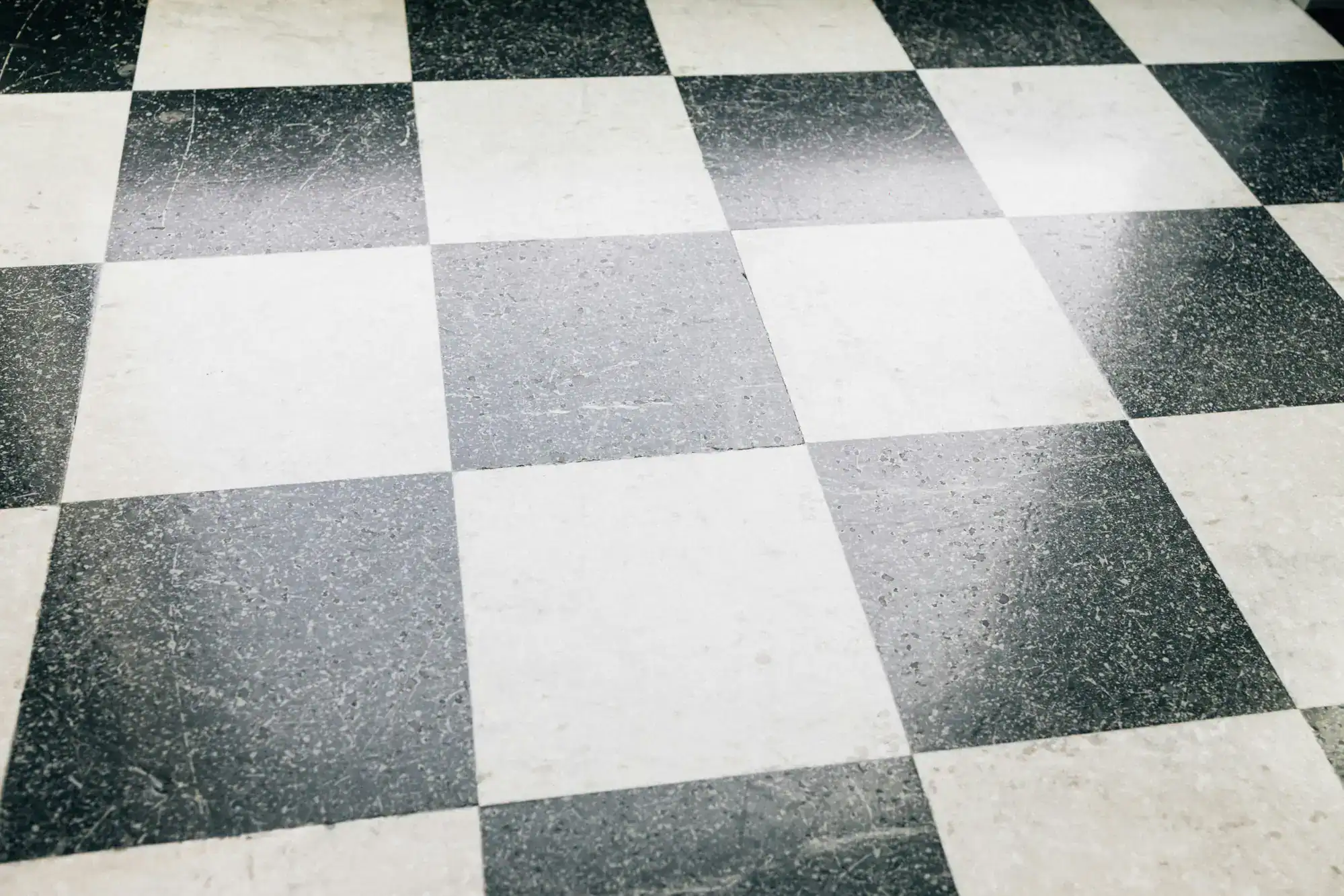
Your marble looks dull and lifeless. Maybe it’s etched from years of the wrong cleaners. Maybe it’s scratched from foot traffic or furniture. You’ve tried everything to bring back the shine, and nothing works.
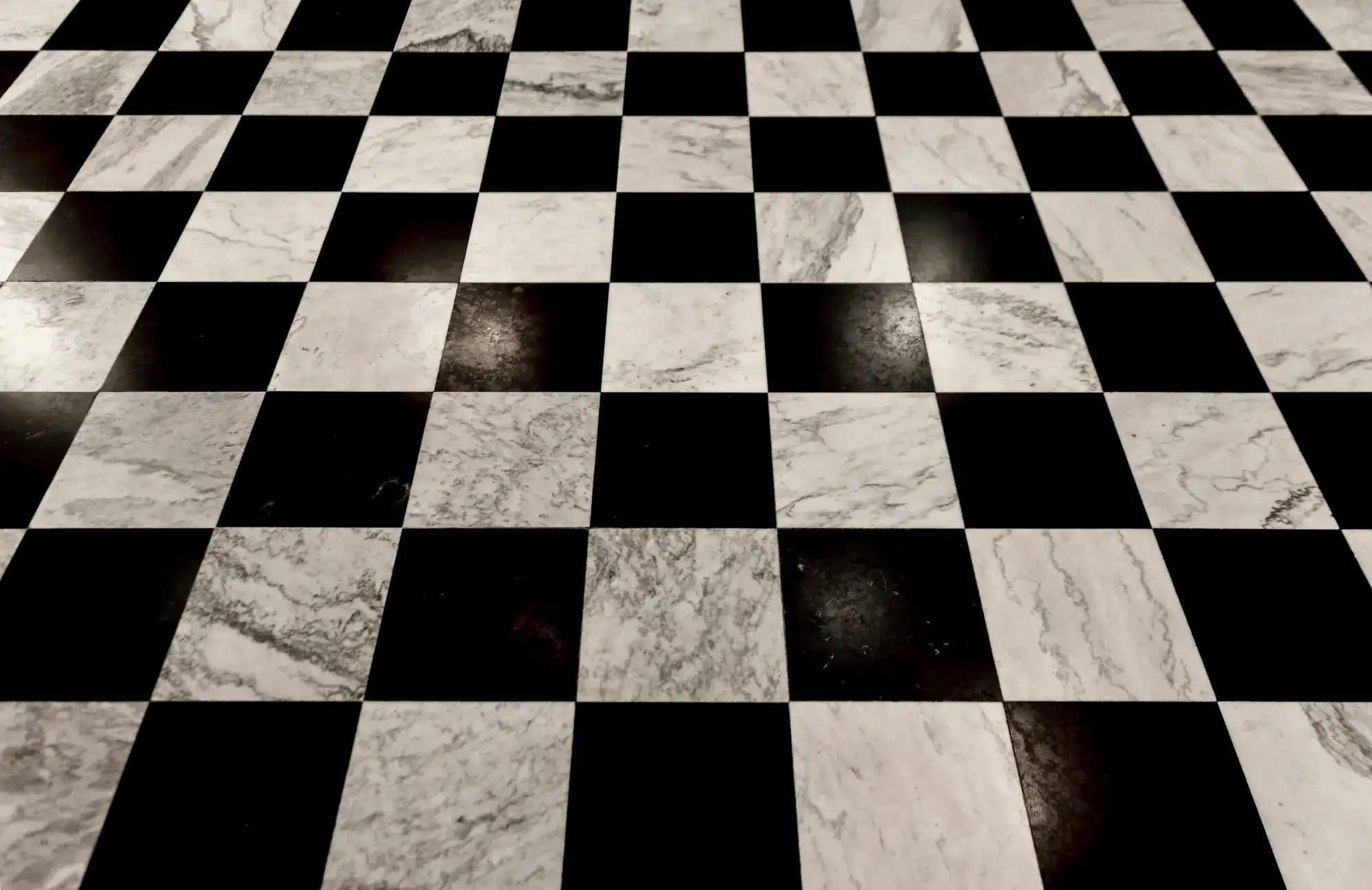
Here’s what changes after professional marble restoration in West Harlem, NY. Your floors reflect light again. The stone feels smooth under your feet, not rough or chalky. Stains you thought were permanent—gone. The whole room looks cleaner, brighter, more expensive.
And you didn’t spend $12,000 on a renovation to get there. Most marble floor restoration projects in West Harlem cost a fraction of replacement—usually between $8 and $15 per square foot depending on the damage. That’s the difference between a $1,200 restoration and a $15,000 tear-out and reinstall.
We’re a family-owned marble restoration company serving West Harlem for nearly 15 years. We’re not a cleaning company that dabbles in stone. We’re craftsmen trained specifically in natural stone restoration—marble, limestone, travertine, terrazzo.
Our lead technician has over 40 years of experience. He’s worked on everything from century-old brownstone marble fireplaces in Central Harlem to modern lobby floors in new developments. West Harlem properties have unique challenges—older buildings, original materials, tight access. We’ve seen it all.
You’re not getting subcontracted work or a crew that learned stone care from a YouTube video. You’re getting trained stone techs who know how to handle marble without damaging it further.
First, we assess the damage. Not all marble needs the same treatment. Light etching needs honing. Deep scratches need grinding. We figure out what your stone actually needs—not what makes us the most money.
Then we start with diamond abrasive grinding if there’s serious damage. This removes scratches, etches, and lippage (uneven tiles). We work through progressively finer grits until the surface is completely smooth. It’s the same process factories use to finish marble slabs.
Next comes honing or polishing, depending on the finish you want. Honed marble has a soft matte look. Polished marble has that high-gloss shine most people picture. We use specialized compounds and equipment to bring out the stone’s natural luster—not topical coatings that wear off in six months.
Finally, we seal the marble. This doesn’t make it stain-proof, but it gives you time to wipe up spills before they penetrate. Most marble polishing and restoration projects in West Harlem take one to three days depending on square footage and damage level.
Ready to get started?
You get a full evaluation before we start. We’ll tell you if your marble can be restored or if the damage is too severe (rare, but it happens). No surprises halfway through the job.
The restoration itself covers grinding, honing, polishing, and sealing. We also handle stain removal when possible—though some stains (especially oil-based ones on light marble) can be stubborn. We’ll move furniture if needed and protect your baseboards and walls during the process.
West Harlem properties—especially brownstones and pre-war buildings—often have original marble that’s been covered with layers of old wax or coatings. We strip all that off before starting the restoration. It’s extra work, but it’s the only way to get down to the actual stone and restore it properly.
We also handle repairs if you have cracked or chipped marble. We use color-matched epoxy and fillers that blend with the stone. Once polished, most repairs are nearly invisible unless you know exactly where to look.
Most marble restoration in West Harlem runs between $8 and $15 per square foot. Light polishing on marble in good condition sits at the lower end. Heavy grinding and repair work on damaged stone costs more.
For context, a 100-square-foot bathroom floor usually costs $800 to $1,500 to restore. That same bathroom would cost $10,000 to $20,000 to demolish and replace with new marble. The math makes sense if your marble is structurally sound.
Labor costs in NYC are higher than other areas—usually $70 to $110 per hour. But most residential marble floor restoration projects in West Harlem take one to two days, so you’re not paying for weeks of work. We give you a flat quote upfront based on square footage and condition, not an hourly rate that can balloon.
Yes. Etching happens when acidic substances (wine, vinegar, citrus, even some cleaners) eat away at the marble’s surface. It leaves dull spots that look like water stains but won’t wipe away.
We remove etching through honing—using diamond abrasives to grind down the surface until the etched layer is gone. Then we polish the marble back to its original finish. The process takes a few hours for small areas, longer for whole floors.
If the etching is light, sometimes we can polish it out without honing. But deep etching needs to be ground down. Either way, the marble ends up looking uniform again—no more dull patches. After we’re done, we’ll show you which products to avoid so it doesn’t happen again.
Professional marble restoration in West Harlem typically lasts five to ten years, sometimes longer depending on traffic and maintenance. High-traffic areas like entryways wear faster than low-traffic spaces like bathrooms.
The key is what you do after restoration. If you use pH-neutral cleaners and reseal the marble every year or two, it’ll hold up. If you go back to using acidic cleaners or let spills sit, you’ll see etching and stains return within months.
We give you a maintenance guide after every job. It’s not complicated—mostly just “use this, don’t use that.” Most clients who follow it don’t need another full restoration for seven to ten years. They might want a light polish after five years to freshen the shine, but that’s quick and inexpensive compared to the initial restoration.
It creates dust and noise, but we contain it. We use equipment with built-in vacuum systems that capture most of the dust during grinding and polishing. We also seal off the work area with plastic sheeting if needed.
The noise level is similar to running a vacuum cleaner—noticeable but not jackhammer-loud. Most marble refinishing work in West Harlem happens during business hours, and we work efficiently to minimize disruption.
You’ll need to stay off the marble while we work and for a few hours after sealing (so it can cure). For a typical residential floor, that means one to two days where that room is off-limits. We clean up completely when we’re done—no dust on your furniture or grit left on the floor.
Usually, yes. Matching an existing finish takes skill, but it’s part of what we do. If you’re only restoring a damaged section—say, a heavily etched area near a bar or a cracked tile that was replaced—we blend the new finish into the surrounding marble.
The challenge is when existing marble has aged or yellowed. Brand new polishing will look brighter and whiter than 50-year-old marble that’s oxidized. We can get close, but there may be a slight difference in tone.
If the color difference bothers you, the solution is restoring the entire floor so everything matches. Most clients in West Harlem with historic brownstone marble choose to restore everything at once for that reason. It costs more upfront, but the result is uniform—no patchwork appearance.
Polishing is the final step of restoration—it’s what creates the shine. Restoration is the full process: grinding, honing, polishing, sealing, and sometimes repair.
If your marble is in good shape but just looks dull, you might only need polishing. We use compounds and buffing pads to bring back the gloss without grinding. It’s faster and cheaper—usually $3 to $6 per square foot.
But if your marble has scratches, etching, stains, or uneven tiles, polishing alone won’t fix it. You need the full marble restoration service in West Harlem—grinding to remove damage, then honing to smooth it, then polishing to finish. Think of polishing as the final coat of paint, and restoration as the whole prep-and-paint job. We’ll tell you honestly which one you need after looking at your stone.
Other Services we provide in West Harlem