Hear from Our Customers
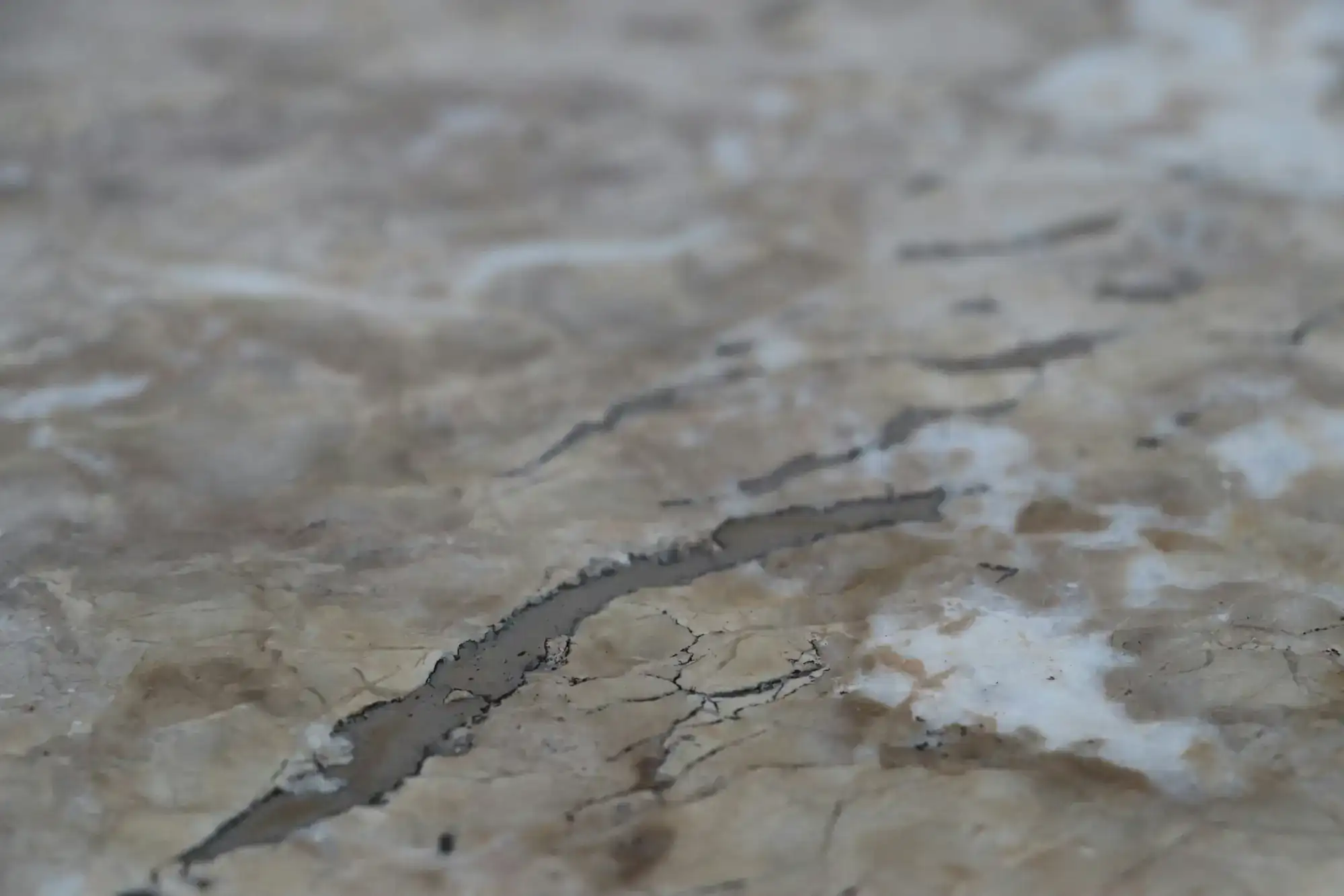
You get your marble back to how it looked when it was new. No haze, no visible repair lines, no dull patches that catch your eye every time you walk past.
The alternative is living with damage that gets worse, or paying for full replacement when restoration costs a fraction of that. Most marble floor repair in Peter Cooper Village addresses issues that started small—a chip from a dropped pan, etching from the wrong cleaner, cracks from settling in these 1950s buildings.
Professional marble repair service means the work gets done without tearing out your countertops or floors. You’re not dealing with dust, demolition, or waiting weeks for new stone to arrive. The marble you already have gets restored using precision color matching and techniques that make repairs invisible.
We’ve worked in Peter Cooper Village long enough to know what happens to marble in these buildings. The original 1947 construction means you’re dealing with older installations, settling foundations, and decades of different cleaning methods—some of which did more harm than good.
We’re a family-owned operation. No subcontractors, no rotating crews. When you call for marble tile repair in Peter Cooper Village, you get technicians who’ve spent years learning how to work with natural stone without making things worse.
The buildings here have specific challenges. High foot traffic in lobbies, moisture issues in bathrooms, kitchen countertops that see daily use. We’ve handled marble crack repair and marble chip repair in Peter Cooper Village enough times to know what works and what doesn’t.
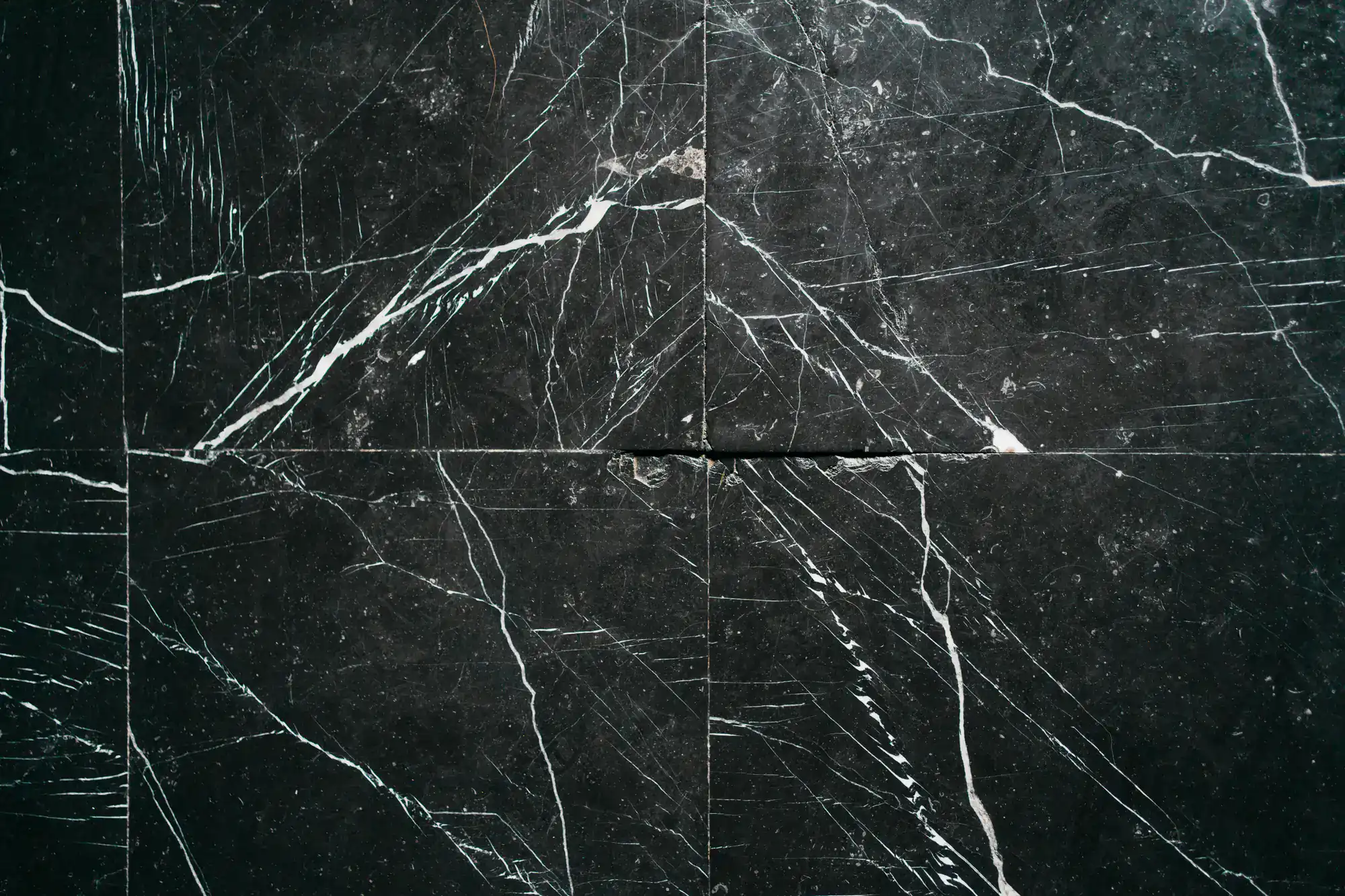
First, we assess the damage. Not every crack needs the same approach, and not every stain comes out the same way. We look at what caused the problem so we can fix it properly, not just cover it up.
For chips and cracks, we use high-quality resins with precision color matching. The fill work gets done carefully—we’re matching the veining, the tone, the finish. Once it’s cured, we polish it to match the surrounding surface. Done right, you won’t see where the repair was made.
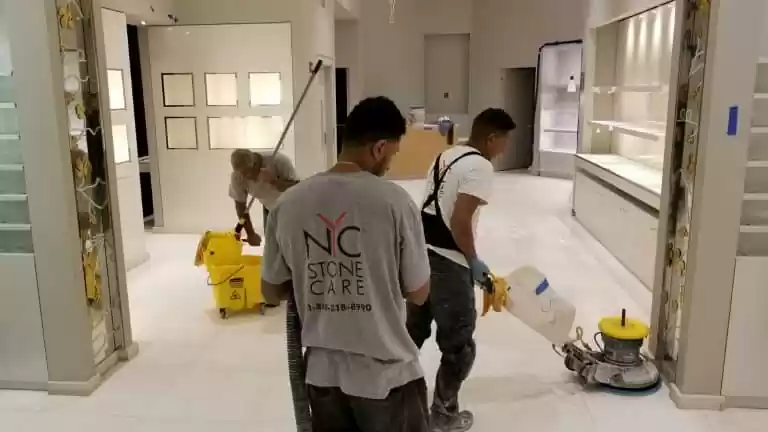
Etching and dullness require a different process. We use diamond abrasives in progressive grits to remove the damaged layer and restore the polish. This isn’t buffing or coating—it’s actual restoration of the marble surface itself. For stains, we apply poultices that draw out the discoloration without damaging the stone.
After repairs, we seal the marble with commercial-grade sealers. This isn’t the stuff you buy at hardware stores. It’s professional protection that actually lasts and gives you real defense against future staining and etching.
Ready to get started?
You get a full evaluation of the damage before any work starts. We explain what can be fixed, what the limitations are, and what results you should expect. No surprises.
The repair work itself covers structural issues like cracked marble repair in Peter Cooper Village—filling, bonding, and reinforcing as needed. Surface issues get addressed through grinding, honing, and polishing. Stain removal uses targeted treatments based on what caused the stain in the first place.
In Peter Cooper Village specifically, we see a lot of bathroom marble that’s been damaged by harsh cleaners. The etching looks like dull spots or watermarks that won’t wipe away. We also handle kitchen countertops where acidic foods or drinks have left permanent marks. Lobby floors take a beating from foot traffic and salt in winter—that requires different restoration than residential spaces.
Every job includes post-repair sealing. The buildings here are old enough that moisture migration can be an issue, especially in bathrooms and kitchens. Proper sealing gives you a fighting chance against future damage, though nothing makes marble completely indestructible.

Marble repair typically costs between $10 and $25 per square foot for polishing and restoration work, with more extensive crack or chip repairs running higher depending on severity. Full marble replacement in NYC runs anywhere from $50 to $200+ per square foot when you factor in demolition, disposal, new material, and installation.
For a typical Peter Cooper Village bathroom with 50 square feet of marble, you’re looking at $500 to $1,250 for professional restoration versus $2,500 to $10,000+ for complete replacement. Kitchen countertops show similar math—a 30 square foot countertop might cost $300 to $750 to restore versus $1,500 to $6,000 to replace.
The bigger factor is downtime. Restoration happens in a day or two with minimal disruption. Replacement means demolition, potential plumbing or electrical work, ordering new stone, templating, fabrication, and installation—you’re looking at weeks, not days. Most damage doesn’t actually require replacement, it just requires someone who knows how to fix it properly.
Yes, etching is one of the most common issues we fix. It happens when acidic substances—lemon juice, wine, vinegar, certain cleaners—chemically react with the marble and dissolve the polished surface. It looks like a dull spot or watermark that won’t buff out because the marble itself has been altered.
The fix involves removing the damaged layer using diamond abrasives in progressively finer grits, then re-polishing the surface to restore the shine. This is actual material removal and restoration, not a topical coating or wax that wears off. For light etching, we might only need to start with 400 or 800 grit. Deeper etching requires starting at 200 grit or lower.
In Peter Cooper Village apartments, we see this constantly in kitchens and bathrooms. Someone used a standard bathroom cleaner or let coffee sit too long on a countertop. The etching won’t go away on its own, and household polishing products don’t fix it—they just make it shinier and more obvious. Professional restoration is the only real solution, but it works and it’s permanent.
Color matching uses a combination of clear or tinted epoxy resins mixed with pigments and marble dust to match your specific stone. Every marble is different—the base color, the veining, the translucency—so this isn’t a one-size-fits-all process.
We mix the resin on-site while looking at your actual marble under your actual lighting. We’re matching not just the color but also the depth and the way light interacts with the stone. Once we have the right mix, we fill the chip or crack, let it cure, then grind and polish it flush with the surrounding surface.
The goal is an invisible repair. You shouldn’t be able to see where the damage was unless you know exactly where to look and you’re searching for it. We’ve been doing this since 1997, so we’ve seen virtually every type of marble used in Peter Cooper Village buildings—Carrara, Calacatta, Crema Marfil, Emperador, travertine. Each one requires slightly different techniques and different resin formulations to get a proper match.
Properly done repairs are permanent for structural issues like chips and cracks. The epoxy resins we use are harder than the marble itself, so the repair won’t fail under normal use. You could break the marble around the repair before you’d break the repair.
Surface restoration—polishing out etching or scratches—is also permanent in that the marble is actually restored, not coated. However, marble is still marble. If you put acidic substances on it again, it will etch again. If you drop something heavy, it can chip again. The repair doesn’t make the stone indestructible, it just fixes the existing damage.
Sealing helps protect against future staining and gives you more time to wipe up spills before they penetrate, but sealers wear down over time. In high-use areas like Peter Cooper Village kitchens, you’re looking at resealing every 1-2 years. Bathrooms might go 2-3 years. We can handle that maintenance, or you can do it yourself with the right products. The structural repairs themselves don’t need redoing unless you damage the marble again.
Most marble repair jobs in Peter Cooper Village apartments take 4-8 hours depending on the scope. A single countertop with a few chips and some etching might be done in half a day. A full bathroom floor that needs grinding, polishing, and sealing takes longer.
You don’t need to leave. The work generates some dust when we’re grinding, but we use equipment with dust extraction and we protect surrounding areas. There’s some noise—similar to a vacuum cleaner or floor buffer. The space needs to be accessible and clear of items, but you can be in other rooms while we work.
For floor work, you’ll need to stay off the area for a few hours while sealers cure. Countertops are usually usable the same day, though we recommend waiting 24 hours before putting anything wet on newly sealed surfaces. The epoxy for chip and crack repairs cures in about an hour, but we don’t leave until everything is polished and finished. You’re not dealing with a multi-day project that disrupts your whole routine.
Marble repair addresses specific damage—a chip, a crack, a stain. You’re fixing a discrete problem. Marble restoration brings the entire surface back to its original condition, addressing overall dullness, scratches, etching, and wear patterns across the whole floor or countertop.
Often you need both. A floor might have general wear from foot traffic (restoration) plus a crack near a doorway (repair). A countertop might be dull overall from years of use (restoration) plus have a chip on the edge and etching around the sink (repair).
In Peter Cooper Village, we frequently see marble that’s decades old and has never been professionally maintained. The cumulative effect of daily wear, improper cleaning, and minor damage adds up. Full restoration involves grinding away the damaged surface layer, re-polishing to the desired finish level, and sealing. It’s more involved than spot repairs, but it’s still far less expensive and disruptive than replacement. Most people are surprised how good their old marble can look once it’s properly restored.
Other Services we provide in Peter Cooper Village