Hear from Our Customers
Your marble doesn’t need replacement. It needs the right process.
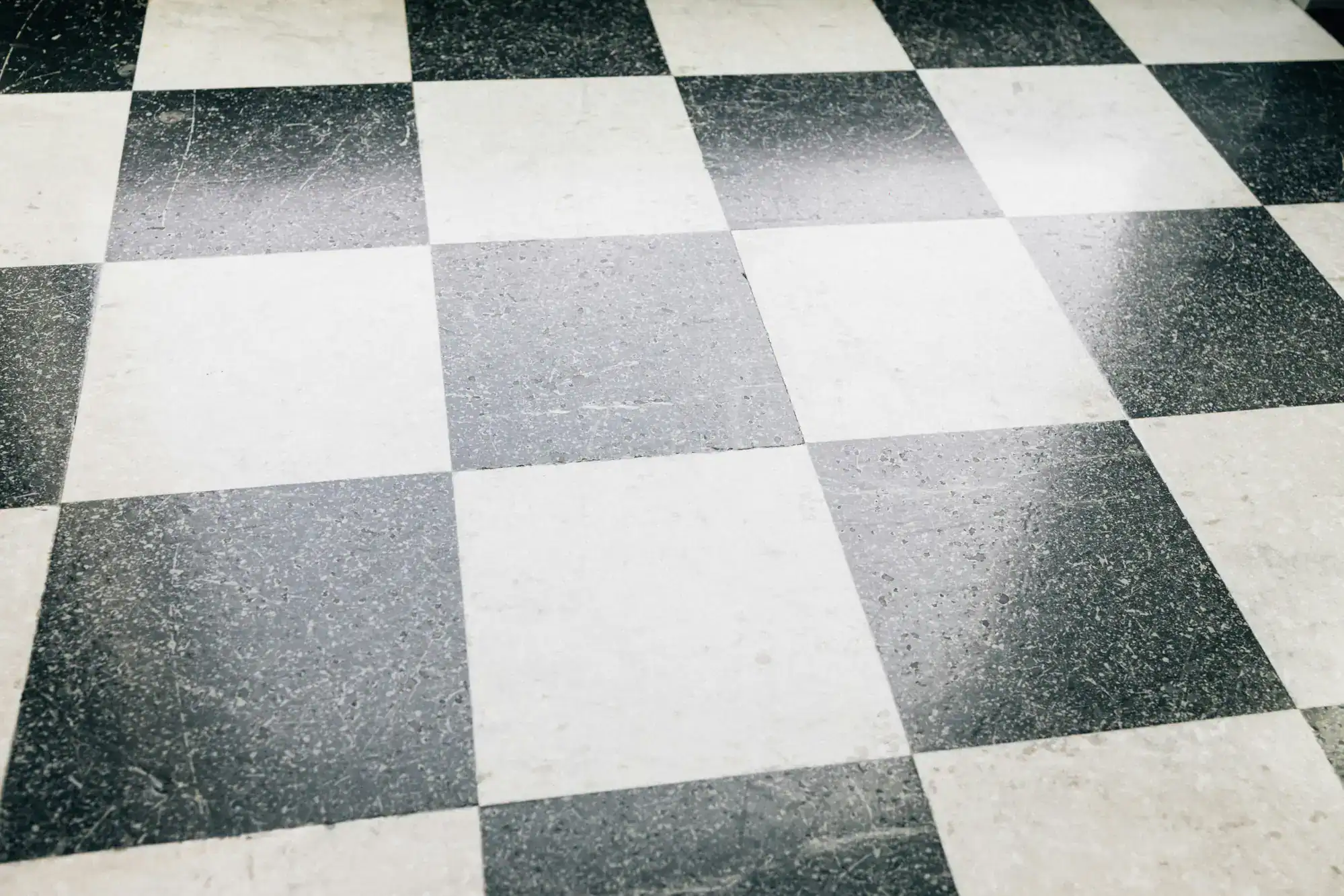
Most of the damage you’re seeing—the dullness, the white spots from spilled wine or lemon juice, the uneven sheen near your entryway—isn’t permanent. It’s surface-level wear that accumulated because marble is soft and porous. Every acidic cleaner you’ve used, every bit of sidewalk salt tracked in during winter, every year of foot traffic has left microscopic scratches that catch light differently than the original polished surface.
Professional marble restoration in Upper West Side, NY removes that damaged layer and rebuilds the finish from the ground up. We’re not buffing or coating. We’re using diamond abrasives to grind away the compromised surface, then systematically refining it through multiple grits until we reproduce the exact finish the factory created. The result is marble that reflects light cleanly again, with consistent sheen across the entire floor and no trace of the etching or staining that made it look tired.
You get floors that look installed yesterday. No haze, no dull patches, no reminders of that time someone cleaned with vinegar.
We’ve spent over 40 years restoring marble in the exact buildings you walk past every day on the Upper West Side. The pre-war lobbies with Carrara marble wainscoting. The brownstones with original marble mantels. The luxury high-rises where every detail matters because your neighbors notice everything.
We’re a family-owned marble restoration service in Upper West Side, NY, operated by a master craftsman who learned this trade before “stone care” became a marketing term. We’ve worked on landmark museums and historic theaters. We’ve restored marble in government buildings and hotel lobbies where the stone gets more foot traffic in a week than your home sees in a year.
That experience matters in your neighborhood because Upper West Side marble isn’t just old—it’s often original to buildings constructed when craftsmanship meant something different. You need someone who understands how that stone was finished in 1920 and knows how to bring it back without destroying what makes it valuable.
Here’s what actually happens when we restore your marble.
First, we assess the damage. Not all marble problems need the same solution. Light etching might only need honing and polishing. Deep scratches or lippage—where tiles are uneven—require grinding first. We’ll tell you exactly what your floors need and why, because the goal is to remove only as much material as necessary to get below the damage.
The restoration process uses diamond abrasives in progressively finer grits. We start coarse enough to eliminate scratches, etching, and stains, then move through finer grits that smooth and refine the surface. Each pass removes the scratches from the previous grit. By the time we reach the final polishing stages, we’re working with abrasives so fine they create the mirror finish you’re picturing.
Between steps, we clean thoroughly. Residue from one grit will scratch the surface during the next pass, so this isn’t rushed. The process takes time because doing it right means doing it in sequence, letting each stage fully prepare the surface for the next.
What you’re left with is marble that feels smooth under your hand, reflects light evenly, and looks like it did before years of wear compounded into visible damage. The finish is durable because it’s the stone’s actual surface—not a coating that’ll wear off.
Ready to get started?
When we handle marble polishing and restoration in Upper West Side, NY, you’re getting a complete process designed around how natural stone actually responds to treatment.
We start with a detailed assessment of your specific marble type—Carrara, Calacatta, Crema Marfil, whatever you have—because each variety has different hardness and porosity. That determines which diamond abrasives we use and how aggressive we need to be. Your floors also get a full inspection for structural issues like cracks or loose tiles that need addressing before we start grinding.
The restoration itself includes grinding away damaged surface layers, honing through multiple grits to refine the stone, and polishing to your desired finish level. Most Upper West Side clients want a high-gloss finish that matches their building’s original aesthetic, but we can also create honed or satin finishes if that suits your space better. We handle complete stain removal, etch mark elimination, and scratch repair as part of the standard process—not as add-ons.
You also get education on maintenance. We’ll tell you exactly which cleaners are safe, how to handle spills before they etch, and what to watch for as your marble ages. Upper West Side buildings deal with specific challenges—salt damage from winter, hard water deposits, humidity swings—and knowing how to manage those extends the time between professional restorations.
For a typical Upper West Side apartment with marble in the entryway, kitchen, or bathroom, expect one to three days depending on square footage and damage severity.
The actual grinding and polishing process isn’t what takes time—it’s the systematic progression through grits and the drying time between stages. We can’t rush the sequence. Each grit level needs to fully remove the scratches from the previous pass, and we need to clean thoroughly between steps to prevent contamination. A small bathroom might be done in a day. A large open kitchen and entryway with significant etching could take three days.
We’ll give you a specific timeline after assessing your floors. Most Upper West Side clients appreciate that we’re not trying to speed through the job to get to the next one. You’re paying for a result that lasts years, and that requires doing each step properly. We also work with your schedule—if you need us to work around furniture delivery or a building’s service elevator hours, we plan for that upfront.
Yes. Those white spots are etch marks where acid chemically burned the marble’s surface, and they come out completely during the grinding process.
Etching happens when anything acidic—wine, coffee, lemon juice, vinegar-based cleaners, even some “natural” products—contacts marble and dissolves the calcium carbonate that makes up the stone. What you’re seeing is a rough, dull area where the polished surface used to be. It’s not a stain that sits on top of the marble. It’s actual damage to the stone’s structure.
The only way to remove etching is to grind past the damaged layer and re-polish the surface. Depending on how deep the etch goes, we might only need to hone and polish, or we might need to start with coarser abrasives. Either way, the etch mark disappears completely because we’re removing the damaged material and creating a new polished surface. This is why DIY etch removal products don’t work—they’re trying to hide the damage instead of actually fixing it. Professional marble restoration in Upper West Side, NY eliminates the problem at the source.
Restoration costs a fraction of replacement and often produces better results, especially if you have original marble in a pre-war Upper West Side building.
Replacing marble means demolition, disposal, new material, installation, and dealing with the reality that new marble often doesn’t match the quality of what was installed decades ago. You’re looking at $15-30 per square foot minimum for materials alone, plus labor, plus the hassle of living through a full renovation. And if your building has original marble with specific veining or color that matched other stone details, you might not even be able to source a good match.
Restoration removes the damaged surface layer and brings back the original finish for significantly less money. Your marble is still structurally sound—it just looks bad because of surface wear. We’re essentially giving you new floors by removing a few millimeters of material and re-polishing. You keep the original stone, maintain your building’s historical integrity, and avoid weeks of construction mess.
The only time replacement makes sense is if your marble is cracked beyond repair, severe lippage issues exist that grinding can’t level, or you genuinely want different stone. Otherwise, restoration is the smarter move financially and practically.
Polishing is the final step in restoration—it creates the shine. Full restoration includes grinding and honing to repair damage before polishing even starts.
If your marble just looks a bit dull but has no scratches, etching, or stains, polishing alone might be enough. We’d use fine diamond abrasives to bring back the reflective finish without removing much material. That’s maintenance-level work for marble that’s in decent shape.
Full marble floor restoration in Upper West Side, NY is what you need when there’s actual damage. We start with coarser grinding to remove scratches, etch marks, and stains that have penetrated the surface. Then we hone through progressively finer grits to smooth out the scratches from grinding. Only after the surface is properly prepared do we polish to create that mirror-like finish. It’s a complete rebuild of the surface, not just a shine-up.
Most Upper West Side floors we see need full restoration, not just polishing. Years of foot traffic, improper cleaning, and acidic exposure create damage that polishing alone can’t fix. We’ll assess your specific situation and tell you exactly what’s needed—no upselling to a bigger service if polishing will actually solve your problem.
Yes, grinding can level minor lippage where tiles are slightly uneven, but severe height differences might need resetting before restoration.
Lippage happens when tiles are installed at different heights, creating edges you can feel when you walk across the floor or see when light hits at an angle. Minor lippage—usually a millimeter or two—can be ground down during restoration. We use coarser diamond abrasives to carefully level the high spots until the entire floor sits at a consistent plane, then proceed with normal honing and polishing.
Severe lippage is trickier. If tiles are off by more than a few millimeters, grinding them level might remove too much material from some tiles and risk exposing the substrate or weakening the stone. In those cases, the better solution is to reset the problematic tiles first, then restore the entire floor. We’ll tell you upfront if that’s necessary.
Most Upper West Side marble floors have minor lippage from decades of settling, and that’s completely fixable during standard marble refinishing in Upper West Side, NY. You’ll end up with a smooth, level surface that feels as good as it looks. If your lippage is severe enough to need tile resetting, we’ll explain why and give you options.
Use pH-neutral cleaners only, wipe up spills immediately, and avoid anything acidic touching the surface—that’s 90% of marble maintenance.
The biggest mistake Upper West Side homeowners make is using the wrong cleaners. Most household cleaners are acidic or contain harsh chemicals that etch marble. You need pH-neutral stone soap, warm water, and a soft mop. That’s it. No vinegar, no lemon-based products, no all-purpose cleaners unless they specifically say “safe for marble.”
Spills need immediate attention. Wine, coffee, citrus—anything acidic will start etching within minutes if left sitting. Blot it up, don’t wipe it around. For oily spills, use a stone-safe degreaser. The faster you respond, the less chance of permanent damage.
Long-term, your marble will eventually need professional attention again. How long depends on traffic and care. A well-maintained entryway in an Upper West Side apartment might go 5-10 years before needing another restoration. A busy kitchen might need honing and polishing every few years. We’ll give you realistic expectations based on your specific use and stone type. The goal is to maximize time between restorations by teaching you how to protect the investment you just made.
Other Services we provide in Upper West Side