Hear from Our Customers
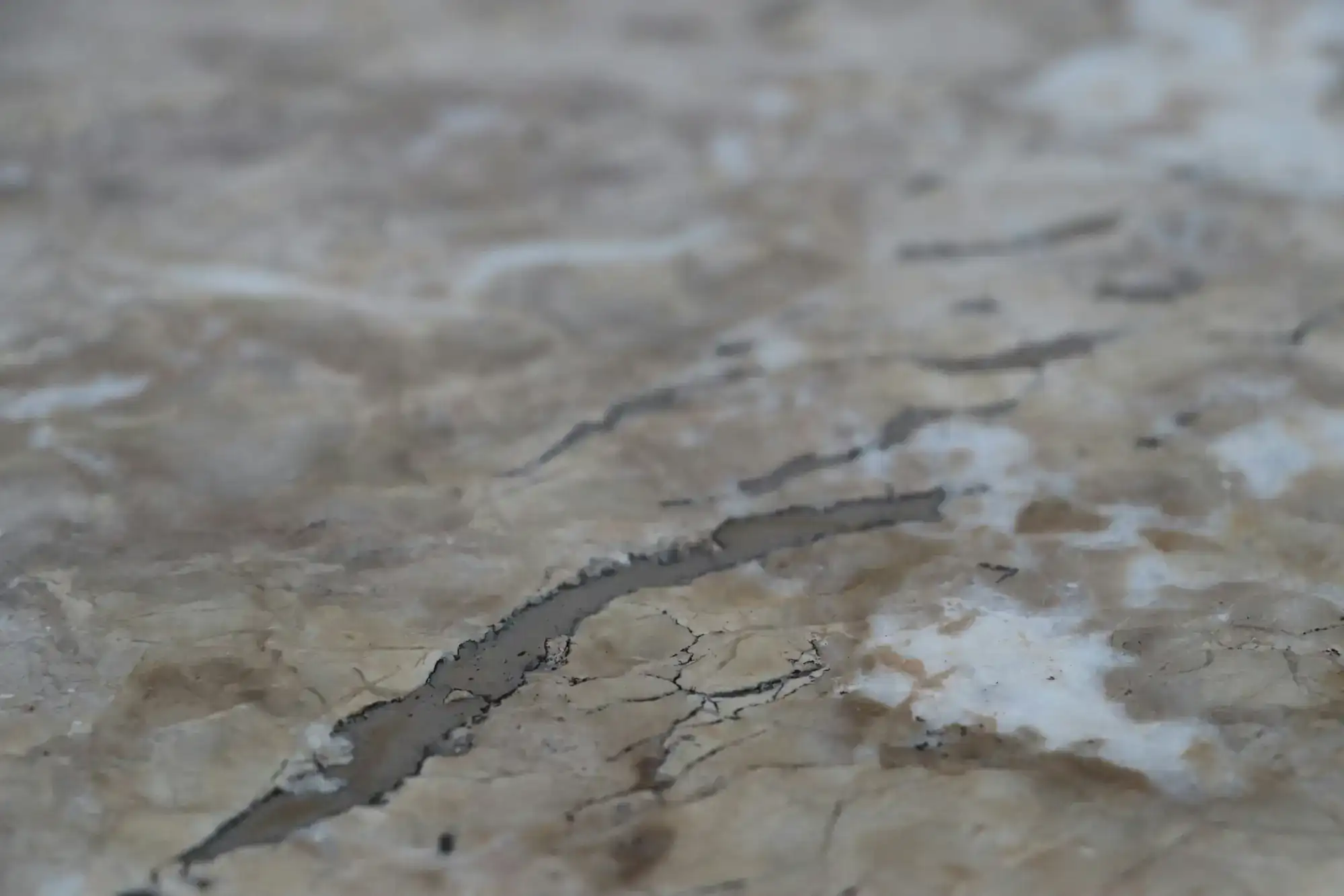
You stop noticing the damage. That chip near the kitchen island, the dull patch by the entryway, the crack you’ve been staring at for months—they’re gone.
Your floors reflect light the way they used to. The surface feels smooth again under your feet. You’re not explaining away flaws to guests or wondering if you should’ve just replaced the whole thing.
Proper marble repair in Mill Basin, NY means your investment stays protected. The stone keeps its value. You avoid the cost and disruption of tearing out and replacing perfectly good marble that just needed the right attention. Most importantly, you get back the look you paid for in the first place—without the guesswork or the risk of making things worse.
We’re a family-owned company that’s been restoring natural stone across the tri-state area since the early 1980s. We’ve worked in Mill Basin homes, luxury buildings in Manhattan, landmark museums, and corporate facilities throughout Brooklyn.
Mill Basin properties are some of the most well-maintained in the city. Homes here have custom flooring, waterfront views, and finishes that reflect serious investment. You don’t trust that kind of work to just anyone.
We use diamond abrasive grinding, precision color matching, and high-quality resins to bring marble back without compromising its integrity. Our technicians go through intensive training. We don’t leave until you’re satisfied with the result.
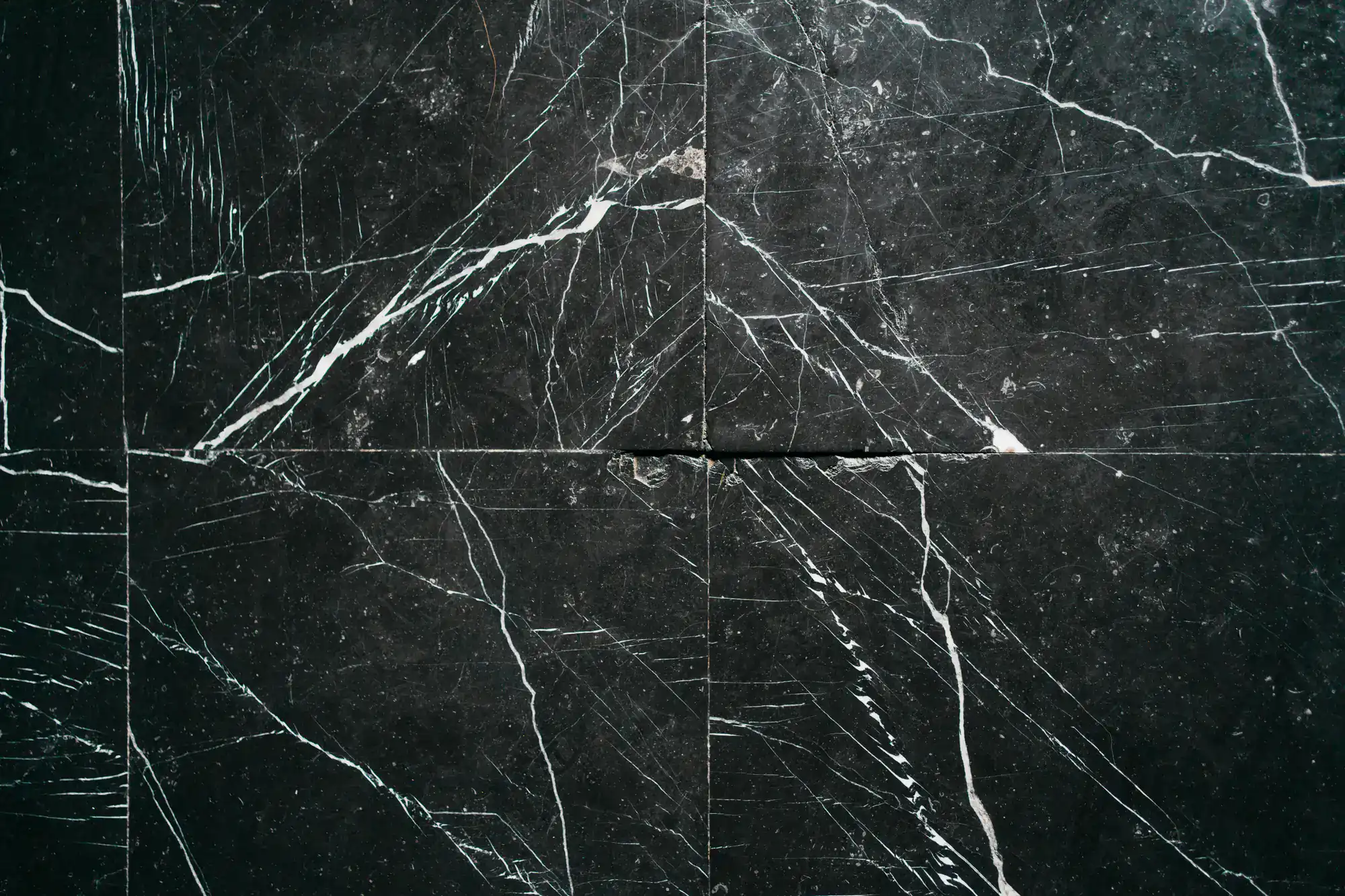
We start with a free consultation at your property. You show us the damage—chips, cracks, etching, dullness—and we assess what’s needed. No pressure, no upselling.
If you move forward, we schedule a time that works for you. For cracks and chips, we use color-matched epoxy or resin to fill and stabilize the damaged area. Once it’s cured, we grind it smooth using diamond abrasives so the repair blends seamlessly with the surrounding stone.
For dull or etched marble, we go through a multi-step honing and polishing process. This removes the damaged layer and brings back the original finish. If your marble has deep scratches or lippage (uneven tiles), we grind the surface level before polishing.
The process is dustless when possible. We protect your furniture and floors. Most residential jobs take a few hours to a full day depending on the scope. You’re left with marble that looks and feels restored—not patched.

Ready to get started?
You get a full assessment of the damage and a transparent repair plan before we start. We handle chips, cracks, stains, etching, scratches, and dullness on floors, countertops, vanities, and other marble surfaces.
Mill Basin homes deal with specific wear patterns. Entryway floors get hit with seasonal grit and salt. Kitchen counters face acidic spills from coffee, wine, and cleaning products. Bathroom vanities develop etching from soap and hard water. We’ve seen it all, and we know how to fix it.
Our work includes crack stabilization, chip filling with color-matched materials, stain removal, honing to remove etching and scratches, and polishing to restore the original finish. We also offer sealing to help protect against future damage.
You’re not paying for a temporary cover-up. The repair is structural. The finish lasts. And if something doesn’t look right, we stay until it does.

Yes. Most marble damage doesn’t require replacement—it just requires the right repair process.
Chips and cracks get filled with epoxy or resin that’s color-matched to your specific marble. Once cured, we grind and polish the area so it’s flush with the rest of the surface. You won’t feel a ridge or see a color difference when it’s done right.
Dullness and etching are even simpler. Those issues sit in the top layer of the stone. We hone away the damaged surface using diamond abrasives, then polish it back to a high shine. The marble underneath is perfectly intact. Replacement is only necessary if the stone is structurally compromised or if large sections are missing—and that’s rare. Most of what homeowners think is “ruined” marble is completely repairable.
It depends on the scope, but most jobs are done in a few hours to one day.
A single chip repair or small crack might take two to three hours including prep and curing time. A full floor honing and polishing in a kitchen or entryway usually takes four to eight hours depending on square footage and the condition of the stone.
Larger projects—like restoring marble throughout a foyer, hallway, and powder room—might take a full day or span two days if we’re addressing multiple types of damage. We’ll give you a time estimate during the consultation so you can plan accordingly.
The process is designed to minimize disruption. We don’t need to move heavy furniture in most cases, and the work area is usually accessible again within a few hours of completion.
Not if it’s done correctly. That’s the difference between professional marble repair and a DIY patch job.
We use precision color matching to blend repair materials with your specific marble. Every stone has unique veining and tone, so we don’t use generic fillers. The resin or epoxy is custom-tinted to match.
After filling a chip or crack, we grind the area smooth and polish it to the same finish level as the surrounding stone. The goal is for the repair to disappear. You might know where it was, but your guests won’t.
For honing and polishing, the entire surface is treated evenly, so there’s no color variation or difference in sheen. If we’re working on a small section, we feather the edges so there’s no visible line between the restored area and the untouched stone. It’s a skill that takes years to develop, and it’s why hiring experienced technicians matters.
Dullness usually comes from etching, scratching, or buildup—and yes, it’s fixable.
Etching happens when acidic substances like lemon juice, vinegar, wine, or even some cleaners come into contact with marble. The acid eats into the calcium carbonate in the stone, leaving a dull spot. It’s not a stain—it’s actual surface damage.
Scratching occurs from grit, dirt, and everyday traffic, especially in entryways and high-traffic areas. Over time, those micro-scratches accumulate and make the surface look hazy.
We fix both issues through honing and polishing. Honing removes the damaged top layer using progressively finer diamond abrasives. Polishing brings back the shine using specialized compounds and pads. The process reveals the fresh, undamaged marble underneath. Your floors or countertops will look clear and reflective again—the way they did when they were new. If dullness is from product buildup rather than damage, a deep cleaning might be all that’s needed, and we’ll let you know.
Repair costs a fraction of replacement—and the difference is significant in Mill Basin where marble installations are high-end.
A chip or crack repair typically runs a few hundred dollars depending on size and complexity. Honing and polishing a residential floor might range from several hundred to a couple thousand depending on square footage and condition.
Replacement, on the other hand, means demo, disposal, new material, fabrication, and installation. For a kitchen floor or countertop, you’re easily looking at $5,000 to $15,000 or more. That doesn’t include the downtime, the dust, or the hassle of being without your kitchen for a week.
Repair gets you back to the original look without the cost or disruption. You’re keeping the marble you already invested in and extending its life by decades. We give free estimates, so you’ll know exactly what the repair costs before deciding. Most homeowners are surprised by how affordable it is compared to what they were bracing for.
Most stains can be removed or significantly lightened, but it depends on what caused the stain and how long it’s been there.
Organic stains from coffee, wine, or food usually respond well to poulticing—a process where we apply a specialized paste that draws the stain out of the stone. Oil-based stains need a different approach, often involving a solvent-based poultice.
Rust stains are trickier and require specific treatments to avoid making the discoloration worse. Water stains and hard water deposits are typically surface-level and come off during the honing process.
If a stain has been sitting for years and has penetrated deep into the marble, we might not be able to remove it completely, but we can usually improve it enough that it’s no longer noticeable. In some cases, if the stain is localized and won’t budge, we can hone down the surface in that area to remove the affected layer. We’ll assess the stain during the consultation and tell you honestly what’s possible.
Other Services we provide in Mill Basin