Hear from Our Customers
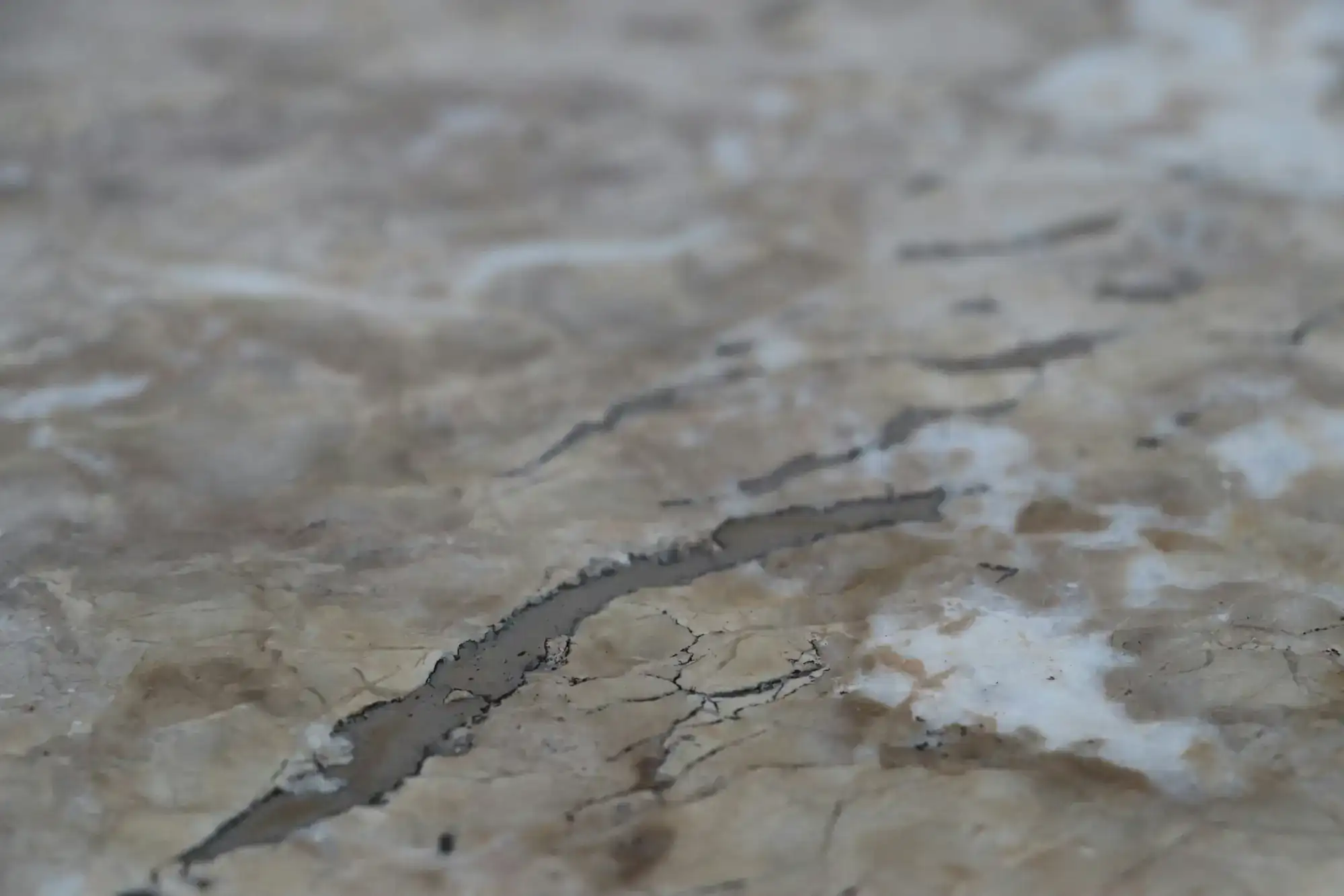
You’re not looking at replacement costs anymore. The crack that’s been growing near your kitchen island gets filled with precision-matched resin that disappears into the stone. The dull, etched spots around your bathroom vanity get diamond-polished back to their original factory finish.
Your floors stop looking tired. They stop collecting dirt in those scratches. They reflect light again.
This matters in NoLita’s luxury condo market, where buyers and tenants notice every detail. Properties with pristine marble move faster and command higher prices. When your stone looks new, your entire space feels more valuable. That’s not marketing talk—it’s what happens when marble gets restored correctly instead of just cleaned or “maintained” by someone who doesn’t specialize in stone.
We’ve been fixing marble in Manhattan since before NoLita became NoLita. We’re a family operation run by a master craftsman who learned this trade the hard way—through years of hands-on work in museums, theaters, and the kind of luxury residences that don’t tolerate mistakes.
We’ve seen what happens when inexperienced contractors use harsh acids or wrong abrasives on marble. We’ve fixed those disasters. The buildings we work in around NoLita, SoHo, and Little Italy have marble that’s been through decades of New York living—salt, grit, spills, foot traffic. You need someone who understands how stone behaves in this environment.
We’re licensed, insured, and we don’t subcontract your job to whoever’s available. The same techs who assess your damage are the ones who fix it.
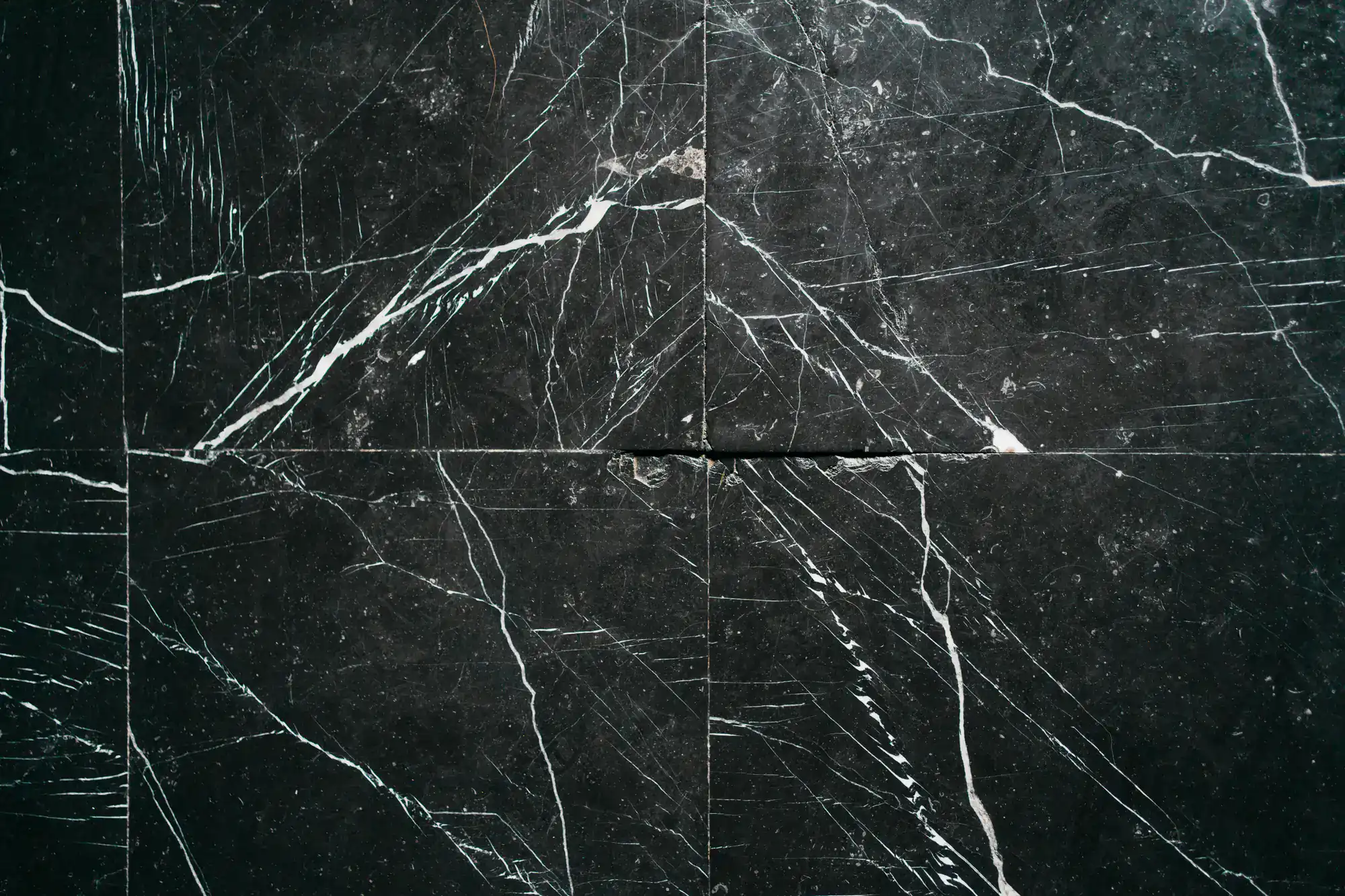
First, we assess the actual damage. Cracks, chips, etches, and dullness all require different approaches. You’ll know exactly what we’re doing and why before we start.
For cracks and chips, we use high-grade epoxy resins with precision color matching. This isn’t the hardware store filler that yellows in six months. We’re talking about materials that bond at the molecular level and match your stone’s exact veining pattern. For etches and scratches, we use diamond abrasive grinding—the same process factories use to finish stone initially. We’re removing damaged surface layers and re-polishing to your marble’s original specifications.
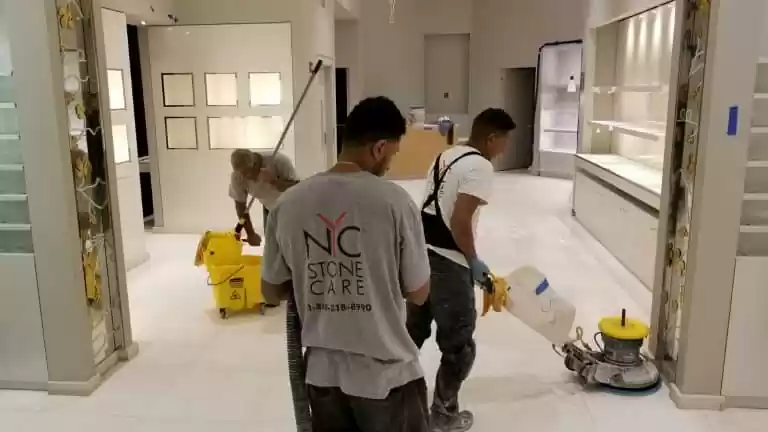
The work happens on-site. Most repairs finish in a day. You’re not waiting weeks for stone to get shipped out and back. We protect surrounding areas, complete the restoration, clean up completely, and you’re left with marble that looks like the damage never happened.
This process works because it’s based on how marble actually behaves, not shortcuts that look okay for a few months before failing.
Ready to get started?
You get marble chip repair in NoLita that actually lasts. You get marble crack repair in NoLita that doesn’t reopen in three months. You get floors, counters, showers, and walls brought back to original condition using the same diamond abrasive process that created their factory finish.
This matters more in NoLita than you might think. The neighborhood’s luxury real estate market saw massive growth in 2025, with properties regularly trading above $4,000 per square foot. Your marble isn’t just decorative—it’s part of your property value. Damaged stone costs you money every day, both in increased cleaning costs and in the impression it makes on potential buyers or tenants.
We work on all marble surfaces: Carrara, Calacatta, Statuario, travertine, limestone. Residential and commercial. The boutique hotel lobby that needs its floor restored before the season starts. The converted loft where wine etched the kitchen island. The pre-war building lobby that hasn’t been properly maintained in years.
Every job includes the same approach: honest assessment, proper materials, experienced craftsmen, and results that protect your investment instead of just covering up problems temporarily.

Marble restoration in NoLita typically runs $1 to $3 per square foot for standard refinishing work. That means a 100-square-foot floor costs between $100 and $300 for professional diamond polishing that brings back the original finish.
Crack and chip repairs cost more because they’re detail work. You’re paying for precision color matching, high-grade epoxy resins, and the skill to make repairs invisible. Labor rates in Manhattan run $70 to $110 per hour, which is higher than other regions but reflects the expertise required and the cost of operating in New York City.
Here’s what matters: proper restoration costs less than replacement, and it costs less than continuing to maintain damaged marble. Scratched, etched stone takes more time and more product to clean. It looks worse despite your efforts. Restoration fixes the underlying problem, which means your maintenance costs drop and your stone actually stays clean. You’re not just paying for aesthetics—you’re paying for a surface that performs better and costs less to maintain long-term.
We fix cracks in marble every week in NoLita. Full replacement is rarely necessary unless the structural integrity is completely compromised, which is uncommon.
The process uses high-strength epoxy resins specifically formulated for natural stone. These aren’t general-purpose adhesives—they’re engineered to bond with marble at a molecular level and flex slightly with the stone’s natural movement. We color-match the resin to your specific marble, including veining patterns if the crack runs through colored areas. Once cured and polished, the repair blends completely with the surrounding stone.
The key is addressing cracks before they spread. Marble cracks grow over time as the stone experiences temperature changes and settling. A small crack you ignore today becomes a bigger problem in six months. Early repair is simpler, less expensive, and produces better cosmetic results. If you’re seeing a crack, get it assessed now. The repair itself usually completes in a few hours, and you can use the surface the same day once everything cures.
Properly restored marble in NoLita’s high-traffic residential and commercial spaces lasts years, not months. The diamond abrasive process we use recreates the factory finish—it’s not a coating or topical treatment that wears off.
How long it lasts depends on traffic and maintenance. A residential bathroom floor with normal use stays pristine for years. A lobby floor with constant foot traffic might need re-polishing every few years, but that’s standard maintenance, not failure of the restoration. The stone itself is durable—marble has been used in high-traffic applications for centuries.
What shortens lifespan is improper care after restoration. Acidic cleaners, harsh chemicals, and abrasive scrubbing damage marble regardless of how well it’s been restored. We’ll tell you exactly how to maintain your stone after we finish. Follow those guidelines and your restoration holds up. The other factor is addressing damage early. Stone that gets restored before major deterioration sets in performs better long-term than stone that’s been neglected for years before someone finally calls for help.
Cleaning removes dirt and stains from the surface. Repair fixes physical damage to the stone itself—cracks, chips, etches, scratches, and lost polish. They’re completely different services, and confusing them costs property owners money.
If your marble is dull, scratched, or etched, cleaning won’t fix it. You’re treating a symptom, not the problem. The stone’s surface is physically damaged. No amount of cleaning product restores a scratched or etched finish. You need diamond abrasives to remove the damaged layer and re-polish the stone underneath.
Many cleaning companies in New York claim they can “restore” marble, then show up with harsh acids and abrasives that make the problem worse. They’re not trained in stone restoration—they’re cleaners trying to expand their services. Real restoration requires understanding marble’s composition, how different types respond to treatment, and which processes actually work versus which ones cause more damage. If someone quotes you for “marble restoration” but can’t explain their diamond abrasive process or show you their color-matching capabilities for repairs, they’re not equipped to do the job correctly.
Marble etches because it’s calcium carbonate, which reacts with acids. Anything acidic that touches your marble and sits for more than a few seconds can dissolve the surface—wine, citrus, vinegar, tomato sauce, most cleaning products. The acid literally eats into the stone, leaving dull spots where the polish is gone.
You see this constantly in NoLita kitchens and bathrooms. Someone sets down a glass of wine, a bit spills, they don’t wipe it immediately, and the next morning there’s a dull ring. That’s an etch. It’s not a stain—it’s physical damage to the stone’s surface.
Fixing etches requires removing the damaged layer through diamond polishing. For light etching, we can sometimes buff it out with fine abrasives. For deeper etches, we need to grind down to undamaged stone and then re-polish through progressively finer grits until we match the surrounding finish. This is precision work. Done correctly, the etched area disappears completely. Done incorrectly by someone without proper equipment, you end up with uneven sheen or visible repair marks. The process works, but it requires the right tools and experience to execute properly.
Yes, and older marble often needs more careful assessment. Many NoLita buildings date back decades, and their marble has been through multiple rounds of poor maintenance, harsh cleaning chemicals, and sometimes outright neglect.
Older stone can have issues beyond surface damage. We look for structural problems, previous bad repairs, and underlying installation issues that might affect how we approach restoration. Sometimes the marble itself is fine but the setting bed underneath has deteriorated. Sometimes previous “repairs” used incompatible materials that need removal before we can do proper work.
The advantage of older marble is that it’s often higher quality than what’s installed today. Pre-war buildings used thick, solid stone. If the marble itself is sound, restoration brings it back beautifully. We’ve worked on lobby floors, building entrances, and residential spaces throughout NoLita’s historic buildings. The process is the same—assess honestly, use proper materials and techniques, and restore the stone to original condition. Age isn’t a barrier to restoration. Poor previous work sometimes complicates things, but that’s fixable too.
Other Services we provide in Nolita