Hear from Our Customers
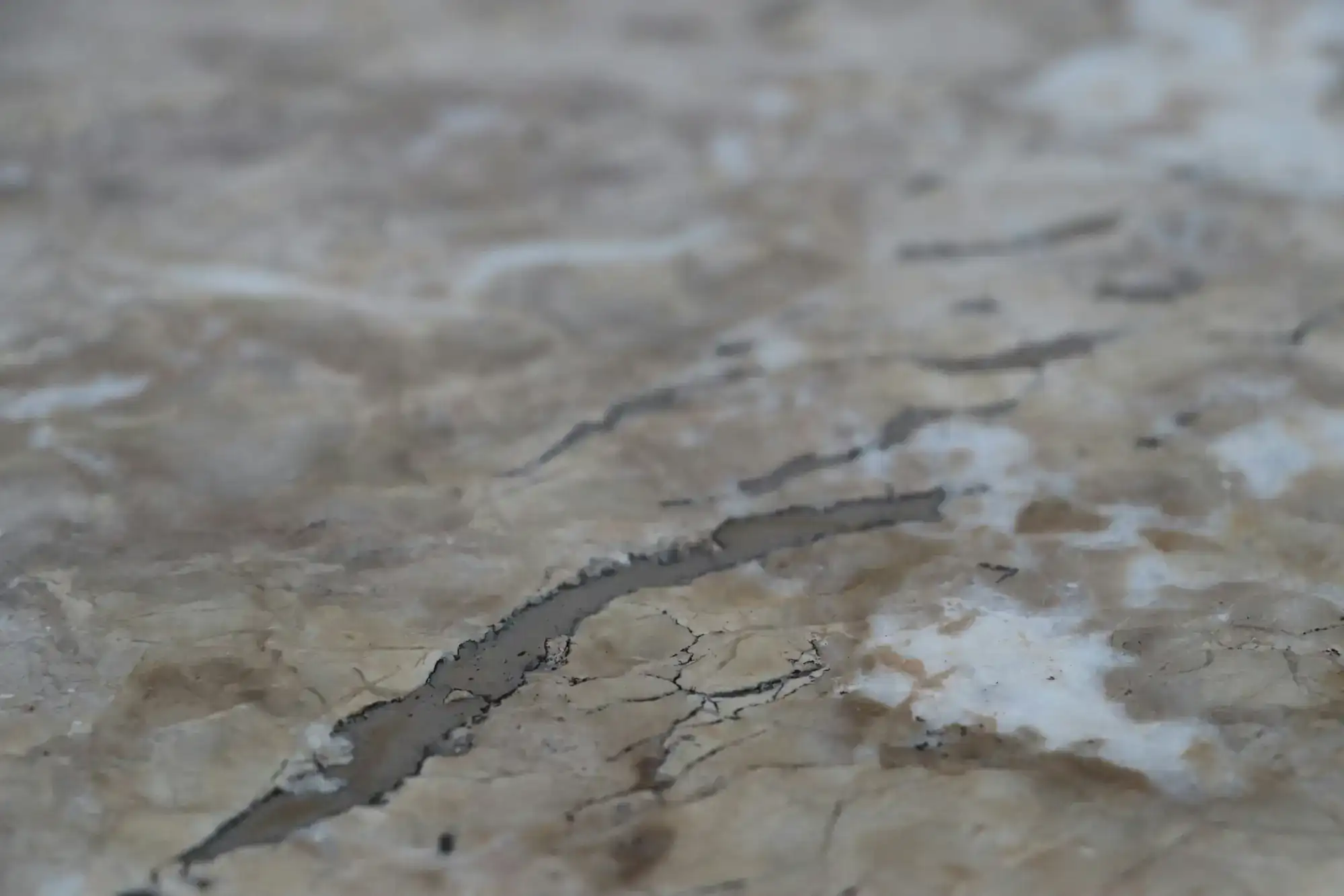
You get your original marble back. Not a patched-up version that looks obviously repaired, but the actual surface you had before the damage happened.
Marble chip repair in Old Westbury means color-matched epoxy that blends into the stone so well you forget where the damage was. Cracked marble repair uses diamond grinding to level the surface, then polishing that brings back the mirror finish. The process works because we’re not covering up problems—we’re reversing them.
Most jobs finish in under two days. You’re looking at a fraction of replacement costs—often 80% less—while keeping the authentic marble that adds value to your home. Old Westbury estates weren’t built with shortcuts, and restoring them shouldn’t involve shortcuts either.
Water stains from Long Island’s mineral-heavy supply disappear. Etching from acidic spills gets polished out. Dull, worn floors that cleaning couldn’t fix regain their shine. You avoid the disruption of demolition, the wait for new materials, and the risk of losing period-appropriate stone that can’t be replicated today.
We’ve spent more than ten years working on marble throughout New York City and Long Island. We’ve handled everything from Gold Coast estates to modern installations, which means we understand what Old Westbury properties require.
Your home likely has marble that’s decades old, possibly from quarries that no longer exist. That’s not something you trust to generic stone companies. We’ve restored century-old floors in Nassau County’s historic properties and know how to work with installation methods that predate modern techniques.
We’re licensed, insured, and OSHA-certified. We show up when we say we will, finish on schedule, and don’t upsell services you don’t need. Old Westbury homeowners expect professionalism—that’s what you get.
First, we assess the damage. Chips, cracks, etching, and stains all require different approaches. You’ll know exactly what we’re fixing and why before any work starts.
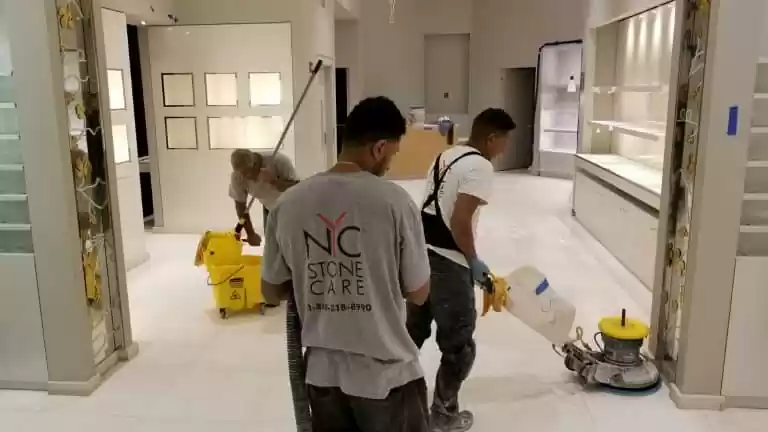
For marble tile repair in Old Westbury, we start with cleaning to remove any buildup that’s hiding the true condition of the stone. Then comes the actual repair—epoxy for chips and cracks, diamond grinding for lippage and uneven surfaces, honing to remove etching and stains.
Polishing brings back the finish. We use progressively finer abrasives until the marble reaches the level of shine you want. Some clients prefer a honed matte look, others want a high-gloss mirror finish. Both are possible.
Sealing protects the surface after restoration. This step prevents future staining and makes maintenance easier. We use penetrating sealers that don’t change the appearance of your marble but do create a barrier against spills and moisture.
Most projects take between four and eight hours depending on square footage and damage severity. Larger estates might need two days. You can walk on the floor immediately after we finish—no extended drying times or restricted access.
Ready to get started?
You get a complete assessment of all damage, not just the obvious chips or cracks. Sometimes the real problem is underneath what you can see—previous repairs done incorrectly, moisture issues, or structural movement affecting the marble.
Our marble repair service in Old Westbury addresses the specific challenges of Long Island homes. Water here has high mineral content that causes staining other regions don’t see as often. Humidity levels affect how marble ages. We account for these factors during restoration and sealing.
The service covers chip filling, crack repair, scratch removal, etch mark elimination, stain treatment, lippage correction, and full polishing. If your marble needs it, we handle it. That includes matching the existing finish exactly—whether your floors are polished to a mirror shine or honed to a softer matte.
Old Westbury properties often feature marble in entryways, kitchens, bathrooms, and outdoor spaces. Each location has different wear patterns and damage types. Entryway marble gets foot traffic and weather exposure. Kitchen marble faces spills and acidic substances. We adjust techniques based on where the marble lives and what it endures.
Protective sealing is always the final step. This isn’t optional—it’s what keeps your newly restored marble looking correct for years instead of months.

Marble repair typically runs between $5 and $25 per square foot depending on damage severity. Replacement costs between $100 and $200 per square foot when you factor in demolition, disposal, new materials, and installation.
For a 200-square-foot entryway, you’re looking at $1,000 to $5,000 for repair versus $20,000 to $40,000 for replacement. The math makes sense even before you consider the value of keeping original marble in a historic Old Westbury home.
Buyers pay a premium for authentic restored features. Replacing period-appropriate marble with modern materials actually decreases value in many Gold Coast properties. Restoration maintains the architectural integrity that makes these homes worth what they are.
Yes, when the repair is done correctly. We use color-matched epoxy that’s mixed to match your specific marble—not a generic filler that’s close enough.
The process involves filling the damage, letting it cure, then grinding it flush with the surrounding surface. After that comes polishing to match the existing finish. When it’s done right, you can’t tell where the damage was unless you know exactly where to look.
This works because we’re not just filling holes—we’re recreating the surface. The epoxy becomes part of the marble structurally. It won’t pop out, discolor, or separate over time like cheaper repair methods. Old Westbury estates deserve repairs that last as long as the original installation.
Most marble floor repair jobs in Old Westbury finish in four to eight hours. Larger projects or extensive damage might need two days. You can use the space immediately after we’re done—no waiting for anything to dry or cure.
The timeline depends on square footage and what needs fixing. A single cracked tile takes less time than an entire foyer with multiple issues. Etching removal is faster than deep stain treatment. We’ll give you an accurate timeframe after assessing the damage.
Compare that to replacement, which involves days of demolition, disposal, subfloor prep, installation, and grouting. Plus the weeks you might wait for materials to arrive. Repair gets you back to normal faster with far less disruption to your home.
Yes. Water stains and etching are actually easier to fix than physical damage like chips or cracks. These are surface-level problems that respond well to honing and polishing.
Long Island’s mineral-rich water leaves white, cloudy deposits on marble. These come off during the honing process—we’re removing a thin layer of stone that contains the staining. Etching from wine, citrus, or cleaning products works the same way. The damage is only microns deep.
After honing away the damaged layer, we polish the marble back to its original finish. The process doesn’t weaken the stone or remove enough material to affect the installation. You end up with marble that looks like the spill or stain never happened. Sealing afterward prevents the same damage from occurring again.
Yes. Historic marble is actually what we prefer working on. These installations require understanding of period techniques, original materials, and how marble ages over decades.
Many Old Westbury estates have marble from quarries that closed generations ago. You can’t replace it with identical material—restoration is the only option that preserves authenticity. We’ve worked on Gilded Age properties throughout Nassau County and understand what these installations need.
Historic marble often has unique characteristics: specific veining patterns, particular finish styles, installation methods that differ from modern approaches. We account for all of this during repair. The goal is maintaining what makes your marble original, not updating it to look contemporary. That authenticity is what gives these properties their value and character.
Polishing restores shine to dull marble but doesn’t fix damage. Repair addresses chips, cracks, stains, and etching—then includes polishing as the final step.
If your marble is just dull and scratched from years of foot traffic, polishing might be all you need. We use diamond abrasives in progressively finer grits to remove the damaged surface layer and bring back the shine. No fillers, no coatings—just the original marble restored to a mirror finish.
Repair becomes necessary when there’s actual damage: pieces missing from chips, visible cracks, deep stains that cleaning won’t touch, or etching that’s eaten into the surface. These problems require honing, filling, or stain treatment before polishing can happen. Most Old Westbury properties need both—repair for specific damage, then polishing for the entire surface to match. We assess your marble and recommend only what’s actually necessary.
Other Services we provide in Old Westbury