Hear from Our Customers
Your marble isn’t damaged beyond repair. Those dull spots, etched rings from wine glasses, and worn traffic patterns don’t mean you need new floors. They mean you need someone who understands how to bring century-old marble back to life.
Marble restoration in Old Westbury, NY costs a fraction of what you’d spend ripping out and replacing original stone. You’re looking at $5-15 per square foot to restore versus $70-190 per square foot for new installation. That’s real money saved while keeping the irreplaceable craftsmanship that came with your home.
Here’s what matters more than cost: your marble has characteristics that don’t exist in modern stone. The veining patterns, the color depth, the way light hits the surface after decades of settling – you can’t buy that. When you restore marble floors in Old Westbury instead of replacing them, you’re preserving something that adds measurable value to your property. Buyers pay premium prices for authentic, well-maintained historic features.
NYC Stone Care has spent over 25 years working on the kind of marble you have in Old Westbury. Not the builder-grade stuff from last decade. The real stone – installed when craftsmanship meant something, when materials were sourced differently, when techniques required actual skill.
We’re family-owned, and the same master craftsman who started this company still oversees every job. That matters when you’re trusting someone with floors that have been in your home for generations. We’ve worked on landmark museums, historic theaters, and government buildings throughout Nassau County. Your marble floor restoration in Old Westbury gets the same attention we give those projects.
Old Westbury properties present specific challenges. The coastal humidity, the hard water that leaves mineral deposits, the age of the stone itself – these aren’t problems you solve with generic approaches. You need someone who knows how historic marble responds to Long Island’s environment and how to work with installation methods that haven’t been used in decades.
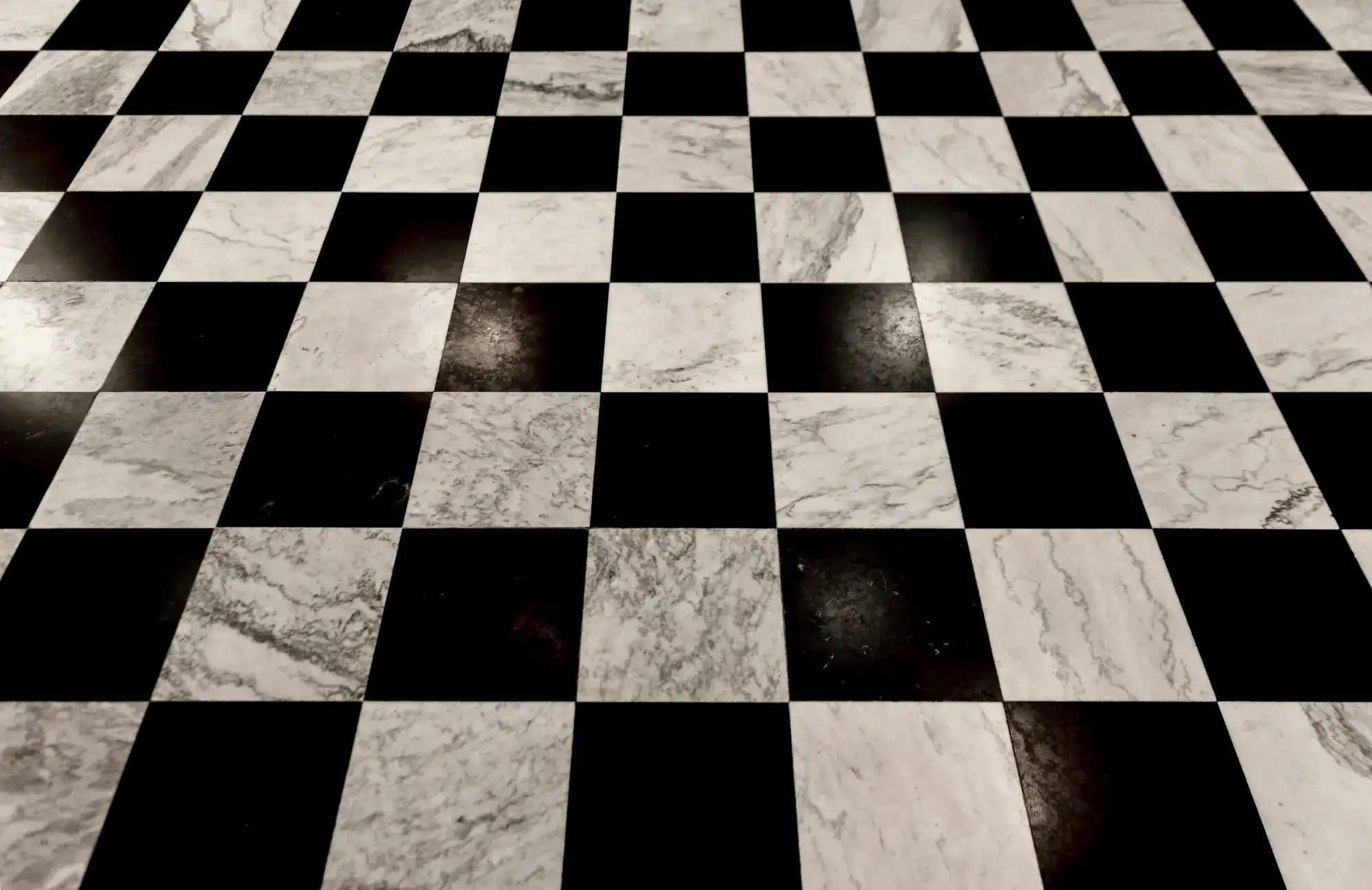
We start with diamond abrasive grinding. This removes the damaged surface layer – the etching, the dullness, the scratches that have built up over years. We’re not covering anything up or applying temporary fixes. We’re taking off the compromised stone to reveal fresh marble underneath.
The grinding process is precise. Different grit levels remove different amounts of material, and we adjust based on how deep the damage goes. Once we’ve removed enough to get past the etching and wear patterns, we move to honing. This creates a smooth, uniform surface across your entire floor.
Polishing comes next. This is where your marble refinishing in Old Westbury transforms from “fixed” to “restored.” We bring up the natural shine using progressively finer abrasives until the surface reflects light the way it did when it was first installed. Then we seal it – not with something that sits on top and wears off, but with a penetrating sealer that protects from within.
Most jobs finish in under two days. You’re not living in a construction zone for weeks. The process is faster, cleaner, and less disruptive than replacement, and you end up with floors that look as good as they did originally.
Ready to get started?
Our marble restoration service in Old Westbury covers the full scope: grinding, honing, polishing, sealing, crack repair, and stain removal. If your marble needs it, we handle it. No subcontractors, no surprises, no gaps in service.
The reality of owning marble in Old Westbury is that your floors face constant challenges. Hard water from Long Island’s aquifer leaves calcium and magnesium deposits every time water evaporates. Humidity from coastal air affects how the stone breathes. Acidic substances – wine, coffee, lemon juice, even some cleaning products – etch the surface on contact. These aren’t occasional problems. They’re ongoing conditions that require someone who understands how to work with them.
We also handle the issues you might not notice until they become serious. Lippage between tiles that creates uneven surfaces. Grout deterioration that lets moisture underneath. Small cracks that spread if left untreated. These problems don’t fix themselves, and they get exponentially more expensive if you wait.
You get transparent pricing upfront. You know what you’re paying before we start. And you get a master craftsman who’s been doing marble polishing and restoration in Old Westbury, NY for decades – not a crew that learned last month.
Yes, and it’s usually more straightforward than you think. Marble damage is almost always surface-level. Those dull spots, etched rings, and worn areas haven’t penetrated deep into the stone. They’re sitting in the top layer, which means we can grind them away and reveal undamaged marble underneath.
The exception is if someone tried to fix it themselves with the wrong products. Over-the-counter marble polishes and DIY solutions often make things worse by building up residue or using abrasives that scratch rather than smooth. But even then, we can usually reverse the damage. We’ve restored marble in Old Westbury homes that looked beyond saving – floors that had been neglected for decades, covered with carpets, or “cleaned” with products that destroyed the finish.
The key is understanding how much material to remove. Take off too little, and the damage remains. Take off too much, and you risk changing the stone’s profile or creating unevenness. That’s where experience matters. We know exactly how deep to go based on what we see and how the marble responds during the process.
Restoration runs $5-15 per square foot depending on the condition and size of the area. Replacement costs $70-190 per square foot for new marble installation on Long Island – and that’s just material and labor. It doesn’t include demolition, disposal, or the reality that you’re losing original stone you can’t replace.
Here’s the math on a typical Old Westbury entrance hall – say 400 square feet. Restoration costs roughly $2,000-6,000. Replacement runs $28,000-76,000. You’re saving anywhere from $22,000 to $70,000 by restoring instead of replacing. And you’re keeping the original character that adds value to your home.
The cost difference gets even more dramatic when you factor in time. Restoration takes days. Replacement takes weeks and turns your home into a construction site. You’re dealing with demolition dust, disposal logistics, substrate preparation, new installation, and the risk that modern marble won’t match the rest of your historic stone. Restoration avoids all of that while delivering results that often look better than the original installation.
Absolutely, as long as you maintain it properly. Restored marble is just as durable as new marble – because it is the same marble, just with a fresh surface. The restoration process doesn’t weaken the stone. It removes damaged material and creates a new finish that’s actually more uniform than what you had before.
The durability question really comes down to how you care for it after restoration. Marble is calcium carbonate, which means acids etch it. Wine, coffee, citrus, vinegar – these will dull the surface on contact if you don’t wipe them up quickly. Use pH-neutral cleaners designed for marble, not generic household products. Reseal every 1-2 years depending on traffic. Put mats at entrances to catch grit that scratches the surface.
In Old Westbury specifically, you’re dealing with hard water that leaves mineral deposits. Wipe up standing water rather than letting it evaporate and leave calcium behind. These aren’t complicated maintenance requirements, but they matter. Follow them, and your restored marble will look great for years. Ignore them, and you’ll be calling us back sooner than necessary – not because the restoration failed, but because the stone wasn’t protected from daily exposure.
Historic marble requires different techniques than modern stone. The installation methods were different, the materials were sourced differently, and the stone itself has aged in ways that affect how we approach restoration. We’ve worked with enough Gold Coast-era properties to understand these differences.
Old marble often has variations in thickness and slight unevenness that were acceptable when it was installed. We work with those characteristics rather than trying to force modern standards onto historic materials. The grinding and honing process accounts for these variations so we create a smooth, level surface without removing more material than necessary.
We also pay attention to surrounding materials. Historic homes often have marble adjacent to wood floors, plaster walls, or other period features that can’t handle modern restoration equipment’s vibration or moisture. We adjust our approach to protect those elements. And we understand that some historic marble has been patched or repaired over the years using methods that don’t match current techniques. We work with what’s there, matching repairs to existing stone rather than creating obvious new sections that break the visual continuity.
Honing creates a smooth, matte finish. Polishing creates a glossy, reflective finish. Both start with the same grinding process to remove damage, but they end differently based on what you want the marble to look like.
Honed marble has a softer appearance. It doesn’t reflect light sharply, so it shows fewer water spots and fingerprints. Some people prefer this for floors because it’s less slippery and hides minor wear better. Polished marble has that classic high-gloss look – the mirror-like finish you see in luxury hotels and historic buildings. It shows the stone’s color and veining more dramatically, but it also shows every water drop and scratch more readily.
The choice depends on where the marble is and how you use the space. High-traffic areas sometimes benefit from honed finishes because they’re more forgiving. Formal spaces often look better polished because that’s how the marble was originally installed and how it’s meant to be seen. We can do either finish – or even different finishes in different areas of the same home. The restoration process is identical until the final steps, where we either stop at honing or continue to polishing based on what you want.
Yes. Old Westbury is in our primary service area. We’ve been doing marble restoration throughout Nassau County for over 25 years, and Old Westbury properties make up a significant portion of our work. The concentration of historic homes with original marble floors means we’re in the area regularly.
When you’re looking for marble restoration near you in Old Westbury, you want someone who understands the specific conditions your marble faces. Long Island’s coastal environment creates challenges that don’t exist inland. The humidity, the hard water, the salt air – these affect how marble ages and what it needs during restoration. We’ve worked with these conditions long enough to know how they impact the stone and how to address them.
We also understand the expectations that come with Old Westbury properties. You’re not looking for someone who treats your historic marble like a standard residential job. You need craftsman-level work, attention to detail, and respect for the materials. That’s what we do. The same master craftsman who founded this company still oversees every project, and we don’t leave until the work meets the standards your home deserves.
Other Services we provide in Old Westbury