Hear from Our Customers
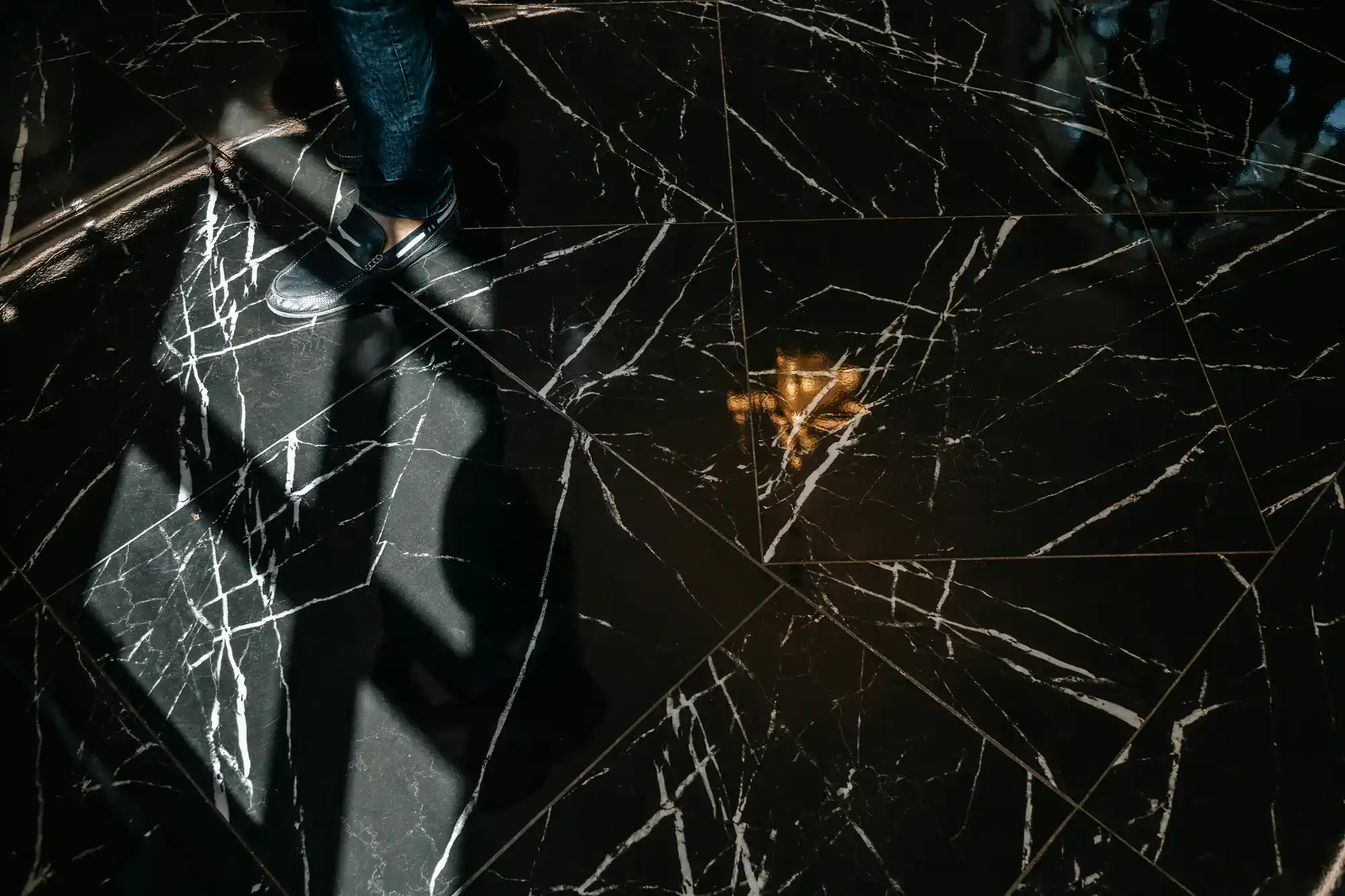
You get your original marble back. Not a patched-up version that screams “repair job,” but a surface that looks and feels like the damage never happened.
That crack in your entryway marble floor? It gets filled with precision-matched material, ground smooth, and polished until you can’t see where the repair starts or ends. The chip on your marble countertop disappears completely. The dull, etched spots from decades of the wrong cleaning products regain their original luster.
This matters in St. Nicholas Historic District because your marble isn’t just a surface. It’s part of a century-old architectural statement. When you repair instead of replace, you keep the original material that’s been in your Harlem townhouse since the 1890s. You maintain authenticity while eliminating the damage that makes the space feel worn.
The financial piece is straightforward. Marble replacement in a historic property runs into five figures fast. Professional marble crack repair in St. Nicholas Historic District typically costs a fraction of that, and you’re done in hours, not weeks.
We’ve spent years working on marble in buildings that can’t afford mistakes. Hotels, luxury apartments, corporate lobbies across Greater NYC, and historic properties where the marble predates modern repair techniques.
St. Nicholas Historic District properties require a different approach than standard residential work. Your marble has survived over a century of New York winters, foot traffic, and well-meaning but damaging cleaning attempts. We understand what these surfaces have been through and what they need to look right again.
When you’re dealing with Italian Renaissance Revival architecture designed by McKim, Mead & White, the repair work can’t look like a repair. It has to disappear. That’s what we do here.
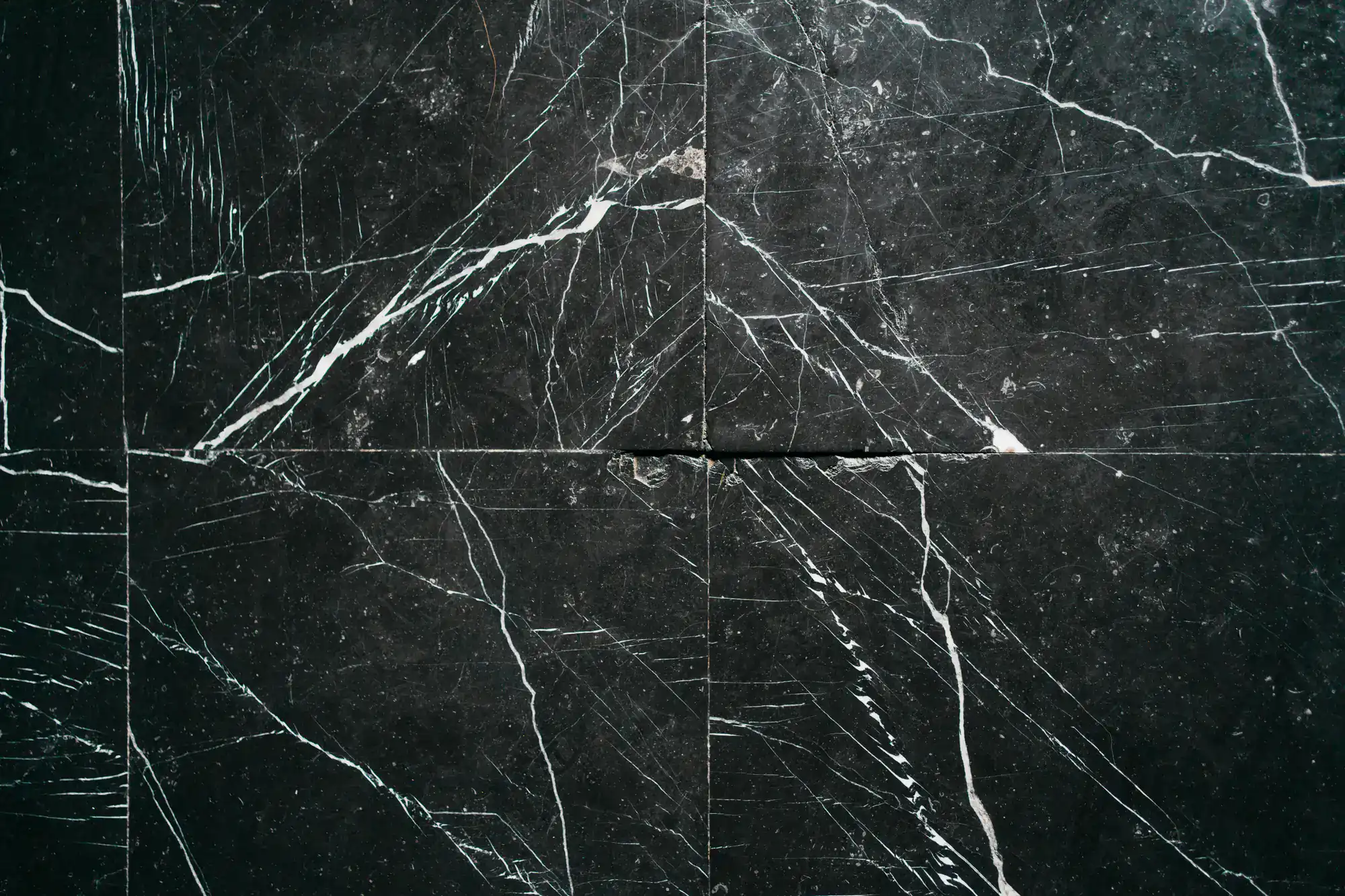
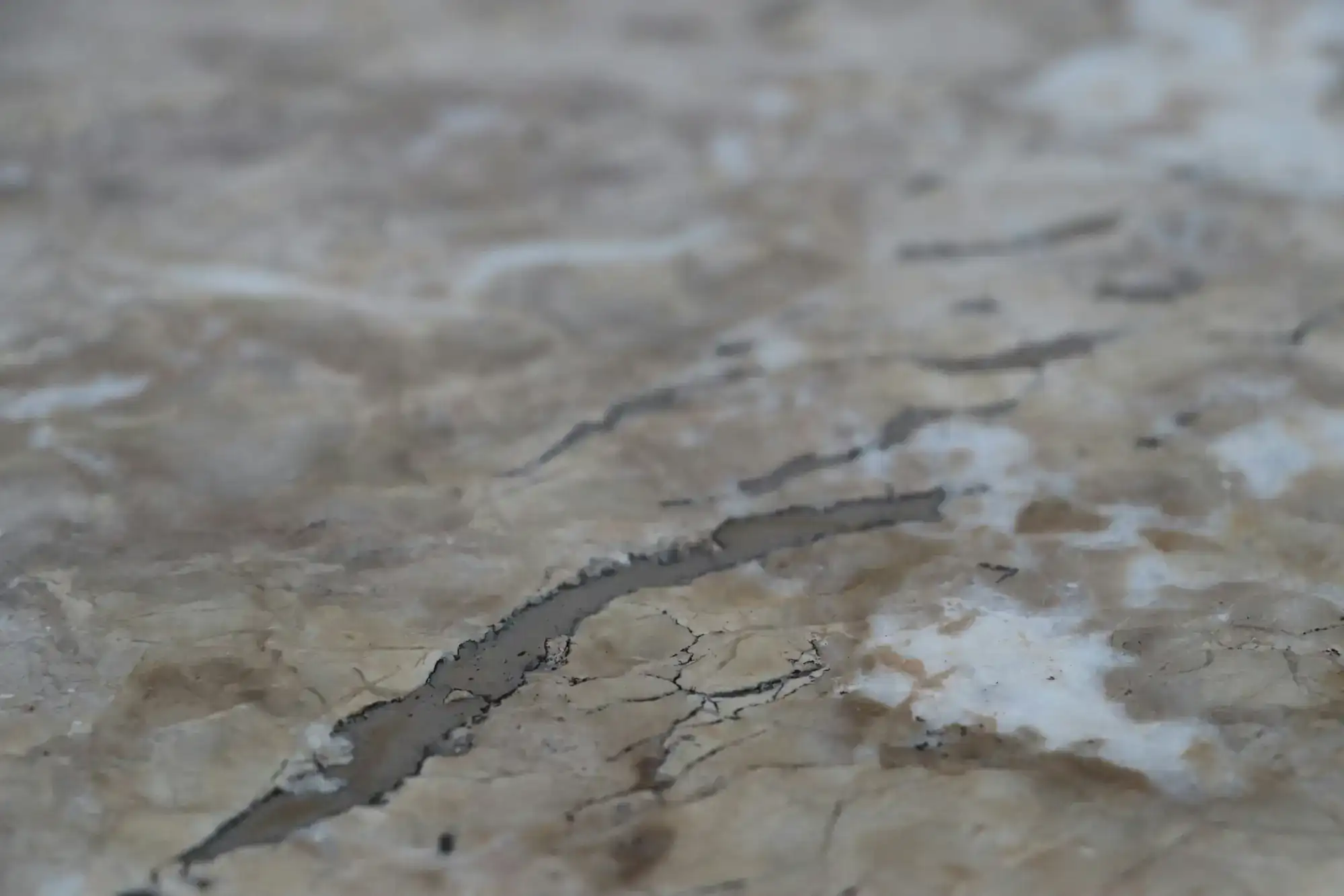
First, we assess the damage in person. Marble chip repair in St. Nicholas Historic District starts with understanding what caused the problem and whether there’s underlying structural concern or just surface damage.
Next comes the actual repair. For cracks, we clean out any debris, fill with color-matched resin that bonds at the molecular level, and let it cure properly. For chips, we build up the missing material in layers. For etching and dullness, we use progressively finer abrasives to remove the damaged layer and expose fresh marble underneath.
Then we blend everything. This is where experience separates acceptable work from invisible work. We grind the repair flush, hone it to match the surrounding finish, and polish it until the sheen is identical to the original surface.
Finally, we seal it. Proper sealing protects your marble from the acidic substances and moisture that cause most damage in the first place. You walk away with marble that looks original and stays protected.
Ready to get started?
You get on-site service. We bring everything needed to complete marble repair in St. Nicholas Historic District at your property—no need to remove and reinstall anything.
The work covers structural repairs like crack stabilization and chip rebuilding, cosmetic restoration including color matching and finish blending, and surface treatments like honing, polishing, and sealing. If your marble floor has lippage issues where tiles sit at different heights, we level those. If your countertop has etching from wine or citrus, we remove it.
Historic Harlem properties often have marble in unexpected places—fireplace surrounds, window sills, decorative inlays. We work on all of it. The marble in St. Nicholas Historic District buildings includes various types and finishes, from polished white marble to honed darker stone. Each requires specific techniques and materials.
You also get a realistic timeline. Most marble chip repair jobs finish in a few hours. Extensive marble floor repair in St. Nicholas Historic District might take a day or two, depending on square footage and damage severity. Either way, you’re looking at a fraction of the time required for replacement.

Yes, but it requires the right materials and technique. The marble in St. Nicholas Historic District homes has aged for over a century, which means it has a patina that new marble doesn’t have.
We don’t just fill the crack and call it done. We use stone fillers that can be tinted to match not just the base color of your marble, but also the veining patterns and the subtle color variations that develop over time. After filling, we grind the repair completely flush with the surrounding surface—you won’t feel a ridge or bump when you run your hand over it.
The polishing stage is what makes it truly invisible. We match the exact finish level of your existing marble, whether that’s a high-gloss polish or a softer honed finish. In natural light and artificial light, the repair blends completely. The only way someone would know there was damage is if you pointed it out and they looked very closely.
Marble floor repair in St. Nicholas Historic District typically runs $1-3 per square foot for restoration work, while labor costs for the actual repair process range from $70-110 per hour depending on complexity. A typical repair project might cost $450-1,200 total.
Replacement is a different story entirely. You’re looking at $15-30+ per square foot just for materials if you want quality marble, plus demolition costs, disposal fees, installation labor, and the time your space is unusable. For a modest entryway, that’s easily $5,000-10,000. For a larger area, you’re well into five figures.
There’s also the historic value factor. Once you remove original marble from a St. Nicholas Historic District property, it’s gone. You can’t get it back. That affects both the authentic character of your home and potentially its market value to buyers who care about architectural integrity.
Acid damage. Most common household cleaners contain acids that react with marble immediately on contact. Even a single drop of lemon juice, wine, vinegar, or standard bathroom cleaner begins etching the surface the moment it touches.
Marble is calcium carbonate. When acid hits it, you get a chemical reaction that dissolves the top layer of stone. This leaves a dull spot that feels slightly rough compared to the surrounding polished surface. It’s not a stain sitting on top of the marble—it’s actual damage to the marble itself.
The good news is etching can be removed through honing and polishing. We remove the damaged layer and expose fresh marble underneath, then polish it back to its original finish. The bad news is it keeps happening if you don’t change your cleaning products. We can recommend pH-neutral cleaners that won’t damage your marble after we repair it.
No. Most DIY marble repair attempts make the problem worse and more expensive to fix professionally.
The marble chip repair kits sold in stores use epoxies and fillers that don’t bond properly to marble, don’t match the color accurately, and can’t be polished to blend with the surrounding surface. You end up with a visible blob of hardened material sitting in the damaged area. When you eventually call us, we have to remove all that failed DIY material before we can do the actual repair correctly.
There’s also the risk of causing additional damage. If you use the wrong grinding or polishing technique trying to blend a repair, you can create dips, scratches, or dull areas that extend well beyond the original chip. What started as a small chip that would take an hour to repair professionally becomes a larger restoration project.
The cost difference between a simple chip repair and fixing a chip plus DIY damage usually exceeds what you would have paid for professional marble chip repair in St. Nicholas Historic District in the first place.
Properly executed marble crack repair and chip repair is permanent. The resins and fillers we use bond at the molecular level with the surrounding stone and have the same hardness rating as the marble itself.
High-traffic areas like entryway floors in St. Nicholas Historic District townhouses put real stress on marble. The repair needs to withstand the same foot traffic, temperature changes, and occasional impacts as the original stone. When done correctly with professional-grade materials, it does.
The key is proper curing time and correct material selection. We don’t rush the process. The repair needs adequate time to fully harden before it’s subjected to traffic. We also seal the entire surface after repair, which protects both the repair and the surrounding marble from moisture penetration and staining.
You should expect the repair to outlast most other elements in your home. The marble in your St. Nicholas Historic District property has already survived over a century. Professional repairs become part of that marble and continue the same lifespan.
Yes. Moisture doesn’t prevent marble repair—it’s actually one of the main reasons marble needs repair in the first place.
Bathrooms and kitchens in historic Harlem properties often have marble that’s been exposed to a century of water, steam, and cleaning products. This causes etching, staining, and sometimes structural issues like cracks from freeze-thaw cycles or settling. We address all of it.
The repair process is the same, but sealing becomes even more critical. After we complete the marble tile repair in St. Nicholas Historic District bathrooms or kitchen countertops, we apply a penetrating sealer that fills the microscopic pores in the marble. This prevents water, oils, and other liquids from soaking into the stone and causing stains or further damage.
Sealed marble in wet areas needs resealing every 1-2 years depending on use. We can handle that ongoing maintenance, or you can do it yourself with the right product. Either way, the repair itself remains stable and invisible regardless of moisture exposure.
Other Services we provide in St. Nicholas Historic District