
Hear from Our Customers

You get your marble back to how it looked when it was first installed. The etching from wine and lemon juice disappears. The dull, worn traffic patterns in your foyer become glossy again. Those white spots around your kitchen sink—gone.
This isn’t about making old marble “good enough.” It’s about bringing it back to its original finish, sometimes better than it was when your brownstone was built. You’re not covering up damage or applying a temporary fix that’ll wear off in six months.
When we restore marble floors in Brooklyn Heights, you’re looking at a surface that’ll hold up under real use. No more worrying every time someone sets down a glass or drags a chair. The stone gets sealed properly, polished to the right level, and protected against the stuff that damaged it in the first place. You stop thinking about your floors and start enjoying them again.
We’ve spent over 40 years working on marble in homes and buildings that actually matter—landmarks, museums, historic brownstones across Brooklyn Heights. We’re a family-owned marble restoration company, and the person running the work is a master craftsman, not someone who picked up a polisher last year.
Brooklyn Heights has some of the oldest residential marble in New York. A lot of it is original to homes built before the Civil War. That means it’s softer, more porous, and way less forgiving than the marble you’d find in a new condo. We know the difference, and we know what it takes to restore marble floors and surfaces in these properties without causing more damage.
You’re not hiring a cleaning company that does marble on the side. You’re hiring people who’ve built a reputation in this neighborhood by doing the work right the first time.

We start by assessing the actual condition of your marble—not just what it looks like, but what’s causing the damage. Etching, scratches, stains, and dullness all require different approaches. We don’t use one method for every job because that’s how you end up with a floor that looks worse than when you started.
The restoration process typically involves grinding down the damaged surface layer using diamond abrasives, then honing and polishing it back to the original finish. If there are chips or cracks, we repair those first using color-matched materials. For deep stains, we use poultices that actually pull the stain out of the stone instead of just trying to buff over it.
After the marble is restored, we seal it with a penetrating sealer that protects against future etching and staining. This isn’t the same stuff you buy at a hardware store—it’s commercial-grade and applied correctly so it actually works. The whole process usually takes one to three days depending on the size of the area, and you’re left with marble that looks like it was just installed. No dust left behind, no half-finished edges, no surprises.
Ready to get started?
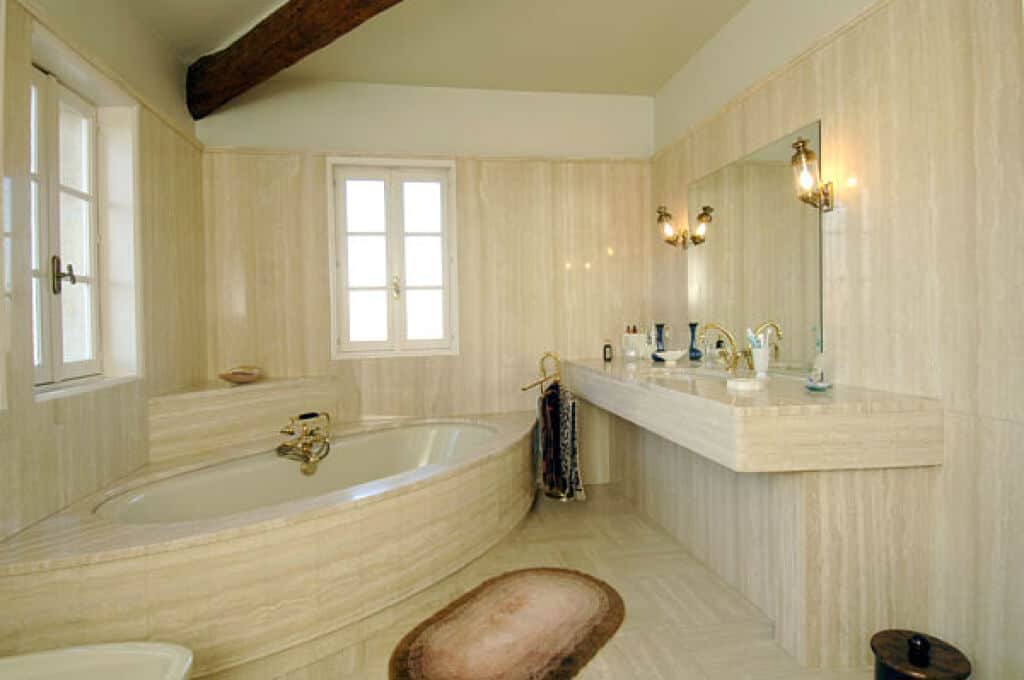
You get a full marble restoration service—inspection, surface repair, grinding, honing, polishing, and sealing. We handle marble floors, countertops, bathroom vanities, fireplace surrounds, and any other marble surface in your home. If it’s chipped, cracked, etched, stained, or just dull from years of use, we fix it.
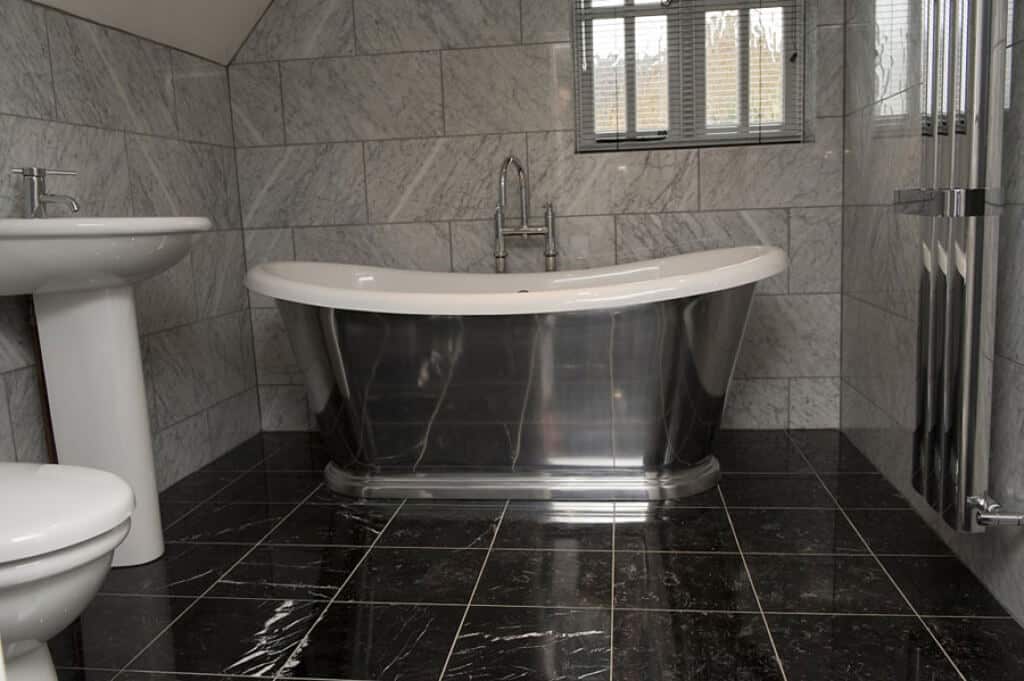
In Brooklyn Heights, we’re usually working with Carrara, Calacatta, or other classic marbles found in historic homes. These stones have been here for over a century in some cases, and they’ve survived because someone took care of them properly. We continue that tradition using techniques that respect the stone’s age and composition.
Winter in New York is particularly hard on marble. Salt gets tracked in from the sidewalks, moisture from snow boots sits on the surface, and the freeze-thaw cycle can worsen existing cracks. We see a lot of damage in the spring from homeowners who didn’t realize how much wear accumulated over the winter months. Our restoration process addresses that seasonal damage and sets you up to prevent it moving forward.
You also get a maintenance plan recommendation based on your specific marble and how much traffic it sees. Some homes need annual polishing. Others can go two or three years between services. We don’t upsell you on stuff you don’t need—we tell you what’ll actually keep your marble in good shape based on how you live.
Professional marble floor restoration in Brooklyn Heights typically runs between $10 and $25 per square foot, depending on the condition of the marble and the level of finish you want. A standard foyer might cost $800 to $1,500. A full floor in a brownstone parlor level could run $2,500 to $5,000.
The price covers the actual restoration work—grinding, honing, polishing, sealing—not just a surface cleaning. If there are significant chips or cracks that need repair, that adds to the cost, but we give you a clear estimate upfront so there’s no confusion.
Compared to replacing marble, which can easily hit $50 to $100 per square foot once you factor in demolition, disposal, and new stone installation, restoration is the smarter financial move. You keep your original marble, avoid weeks of construction mess, and end up with a floor that’ll last another few decades if you maintain it properly.
Yes. Etch marks are surface damage caused by acidic substances burning into the marble—lemon juice, vinegar, wine, even some cleaning products. They show up as dull white spots or rings, and they don’t come out with regular cleaning because the marble’s surface structure has been altered.
We remove etch marks by grinding down the damaged layer and re-polishing the surface to match the surrounding area. For light etching, we can sometimes hone and polish without grinding. For deeper etching, we need to remove more material, but the end result is a uniform finish with no visible damage.
Water stains are different—they’re usually mineral deposits or moisture that’s penetrated into the stone. We treat those with poultices that draw the stain out, then seal the marble to prevent it from happening again. Both issues are fixable, and both are common in Brooklyn Heights kitchens and bathrooms where marble countertops see daily use.
Most marble restoration projects in Brooklyn Heights take one to three days depending on the size of the area and the extent of the damage. A small bathroom vanity might be done in a few hours. A full parlor floor could take two days.
You can stay in your home during the work, but you’ll need to stay off the marble while it’s being restored and for several hours after sealing. We contain dust as much as possible using professional equipment, but there will be some noise and activity. If we’re working on your kitchen countertops, you won’t have access to that area until we’re finished.
We schedule the work to minimize disruption. A lot of Brooklyn Heights homeowners prefer we come in during the week when they’re at work, and we’re fine with that as long as we have access. We’ll walk you through the timeline during the estimate so you know exactly what to expect and can plan accordingly.
Honing gives you a matte or satin finish—smooth to the touch but without the high gloss. Polishing gives you that reflective, shiny surface most people associate with marble. Both are legitimate finishes, and the right choice depends on where the marble is and how you use the space.
Polished marble looks more formal and shows off the stone’s color and veining, but it also shows scratches and etching more easily. Honed marble hides wear better and feels less slippery underfoot, which is why it’s often used in bathrooms and high-traffic areas. In Brooklyn Heights, we see a mix—polished marble in formal foyers and dining rooms, honed marble in kitchens and bathrooms.
We can restore marble to either finish depending on what you want. If your marble was originally polished and you want to switch to honed, we can do that. If it’s been honed for years and you want the gloss back, that’s an option too. The process is similar either way—we’re just stopping at a different grit level during the polishing stage.
Sealing helps, but it’s not a force field. A good penetrating sealer will give you time to wipe up spills before they soak into the marble and cause stains. It won’t prevent etching, because etching is a chemical reaction that happens on the surface when acid contacts the stone—sealer can’t stop that.
What sealing does is buy you time. If you spill red wine on sealed marble and wipe it up within a few minutes, you’re probably fine. If you leave it overnight, it’s likely staining through. Acidic stuff like lemon juice will still etch sealed marble if it sits there, but you’ll have a better chance of catching it before damage occurs.
We use commercial-grade sealers that last longer and perform better than retail products. Depending on the marble and how much use it gets, you’ll need to reseal every one to three years. We can handle that as part of a maintenance plan, or you can do it yourself if you’re comfortable with it. Either way, sealing is part of responsible marble ownership in a Brooklyn Heights home—it’s not optional if you want your stone to last.
Most cracks and chips can be repaired without replacing the marble. We use epoxy resins that are color-matched to your specific stone, fill the damaged area, and then grind and polish it flush with the surrounding surface. When done correctly, the repair is nearly invisible and structurally sound.
Small chips around sink cutouts, along edges, or near corners are common and straightforward to fix. Larger cracks that run through a tile or slab take more work, but they’re still repairable in most cases. The exception is if the marble is severely fractured or if the crack is causing the stone to shift or become unstable—then replacement might be the better option.
In historic Brooklyn Heights homes, the marble is often original and irreplaceable in terms of matching the exact color and veining. That makes repair even more valuable because you’re preserving the original material. We’ve repaired marble in brownstones that’s over 150 years old, and it’s held up fine. Replacement should be the last resort, not the first option someone suggests.
Other Services we provide in Brooklyn Heights