Hear from Our Customers
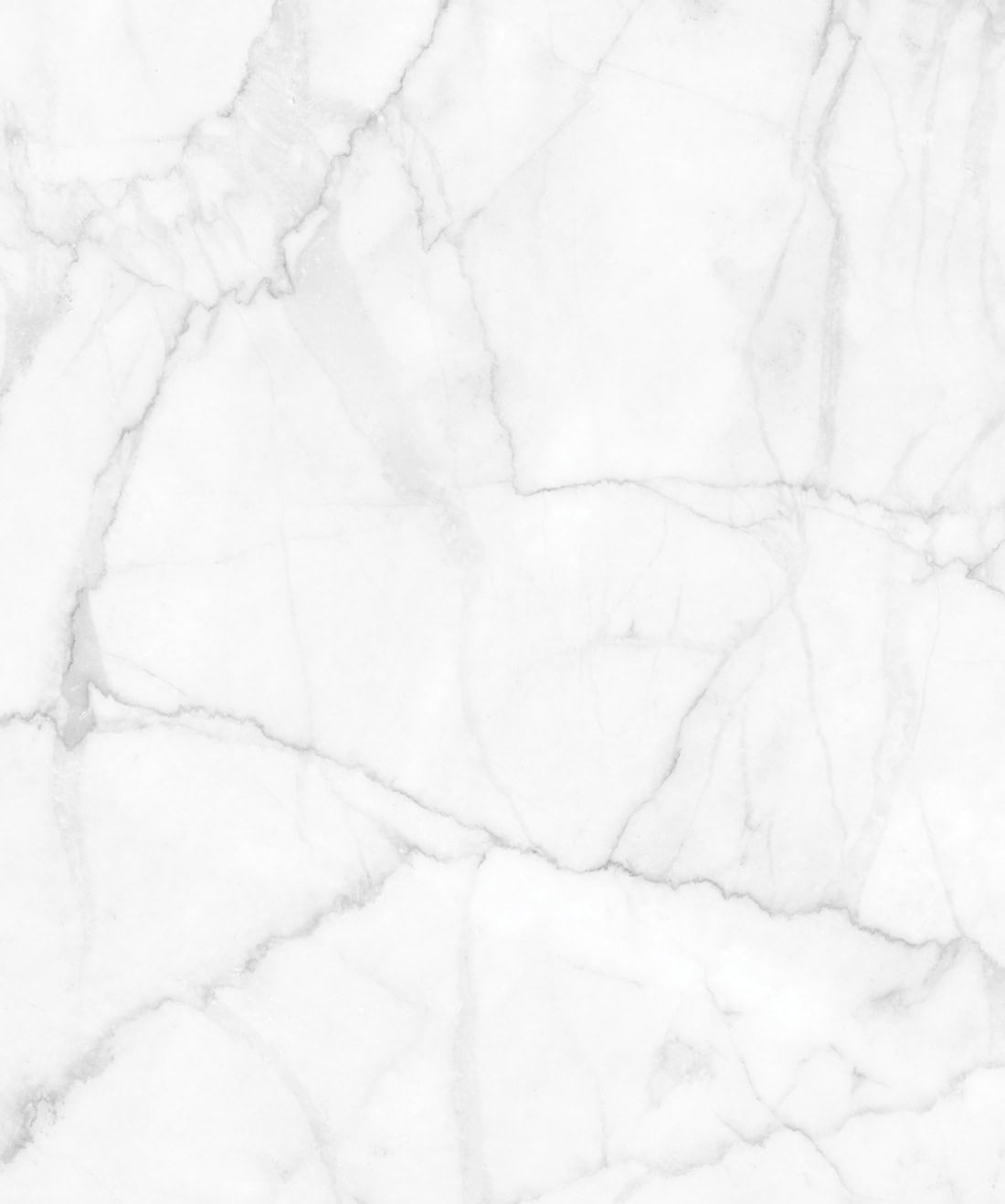
You get marble that looks like marble again. Not dull. Not cloudy. Not covered in etch marks from that wine spill or lemon juice mishap.
The shine comes back. The depth returns. Those scratches from years of foot traffic or furniture dragging disappear through diamond grinding and polishing, not temporary coatings that wear off in six months.
Your floors stop looking tired. When guests walk in, they notice the stone, not the damage. And if you’re thinking about selling, well-maintained marble raises property value in ways that neglected stone never will.
This isn’t about making old marble “good enough.” It’s about bringing it back to what it was before daily life took its toll.
We’ve been restoring marble in Cobble Hill, NY since these brownstones were being renovated, not just bought. That matters because the marble in your 19th-century home wasn’t installed the same way modern stone is.
The techniques are different. The materials respond differently. The problems you’re dealing with require someone who’s seen them before, not someone learning on your floors.
Over 40 years, we’ve worked in enough Cobble Hill homes to know what you’re up against. Water damage in bathroom vanities. Etching on kitchen islands. Scratches in entryway floors from a century of use. We’ve restored it all, and we’ll restore yours the same way—properly.
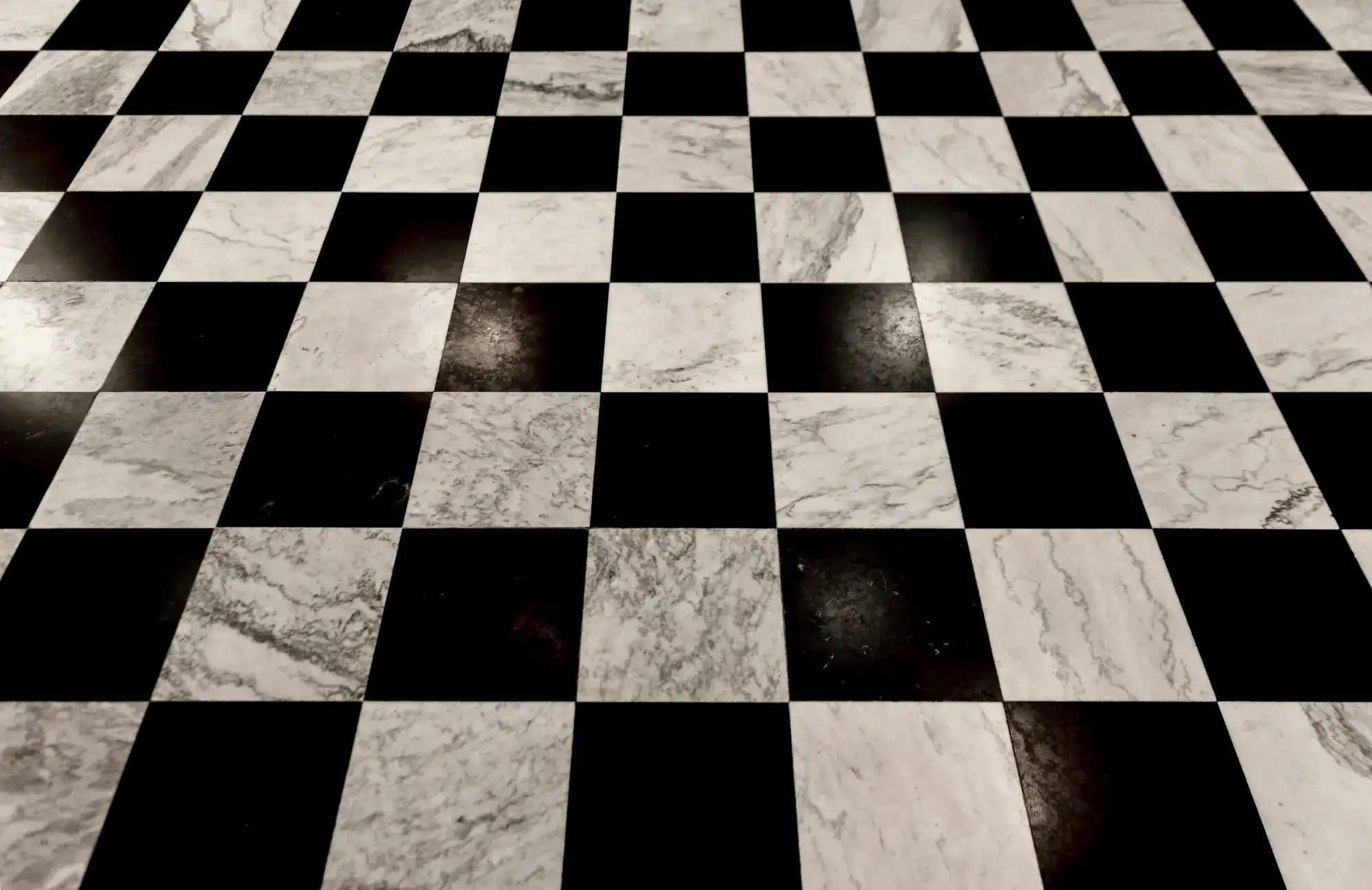
First, we assess the damage. Not every marble problem needs the same fix. Etching requires different treatment than staining. Scratches need grinding. Dullness needs polishing. We figure out what your stone actually needs before we touch it.
Then comes diamond abrasive grinding. This removes the damaged layer of marble—the etched surface, the scratches, the stains that penetrated too deep for cleaning. It’s dustless, so you’re not dealing with marble powder coating your furniture.
After grinding, we hone and polish the surface back to its original finish. This isn’t a topical coating. It’s your actual marble, restored. If there are chips or cracks, we fill them with color-matched material that blends so well you won’t see it after polishing.
Finally, we seal it. Professional-grade sealer creates a barrier against future staining and etching. It doesn’t make marble indestructible, but it gives you time to clean up spills before they become permanent problems.
Ready to get started?
You get a complete evaluation of your marble’s condition. We don’t guess. We look at the type of damage, the stone’s current state, and what finish you’re trying to achieve.
The restoration itself covers grinding, honing, and polishing to whatever level your marble needs. Some floors just need polishing. Others need the full process. We match the approach to the problem.
Cobble Hill homes have unique challenges. Your historic brownstone likely has marble that’s been here for over a century. It’s been walked on, cleaned with who-knows-what products, and exposed to a hundred years of wear. That kind of stone needs someone who understands how old marble behaves differently than new installations.
Chip and crack repair is included when needed. Sealing is part of the process, not an upsell. And if you’ve got multiple surfaces—floors, countertops, bathroom vanities—we handle all of it with the same attention.
Etch marks aren’t permanent. They’re spots where acid dissolved the marble’s surface, leaving it dull and rough. You can’t clean them away because there’s nothing to clean—the marble itself has been altered.
But you can remove them. Diamond grinding takes off the damaged layer, then honing and polishing bring the surface back to its original finish. The process removes the etched area entirely and reveals undamaged marble underneath.
How deep we need to grind depends on how severe the etching is. Light etching from a quick splash of wine comes out easily. Deep etching from years of using the wrong cleaner takes more work. Either way, the etch marks disappear. What you’re left with is restored marble that matches the rest of the surface.
Most marble floor restoration in Cobble Hill, NY takes one to three days, depending on the size of the area and the extent of damage. A small bathroom might be done in a day. A large kitchen or entryway takes longer.
You can’t use the space while we’re working. The floor needs to be clear, and you don’t want to walk on it between grinding and sealing. But the process is dustless, so we’re not creating a mess that spreads through your home.
Once we’re finished, you can walk on the marble within a few hours. If we’ve sealed it, we recommend waiting 24 hours before placing rugs or furniture back. That gives the sealer time to cure properly. It’s a short inconvenience for a floor that’ll look new again.
Polishing only works if your marble’s surface is still intact. If you’ve got light dullness and no real damage, polishing can bring back the shine. It’s the final step in the restoration process, and sometimes it’s the only step you need.
But if your marble is etched, stained, or scratched, polishing won’t fix it. You’re just shining up damaged stone. The etch marks will still be there. The scratches will still show. You might get a bit more gloss, but the problems remain.
Restoration addresses the damage first. We grind away the compromised surface, hone it smooth, and then polish it. That’s how you get marble that actually looks restored, not just shinier. If someone’s offering to “polish” marble that’s clearly damaged, they’re either skipping steps or don’t know what they’re doing.
Sealing helps, but it’s not a force field. A good sealer creates a barrier that slows down liquid absorption, giving you time to wipe up spills before they stain. It makes your marble more forgiving, especially in kitchens and bathrooms where spills happen constantly.
But sealer doesn’t stop etching from acidic substances. If you spill lemon juice or vinegar and leave it there, it’ll still etch the marble. The acid reacts with the stone itself, not just the sealer. You’ve got more time to clean it up, but you still need to clean it up.
Sealer also wears down over time, especially in high-traffic areas. Resealing every year or two keeps that protection active. Think of it as maintenance, not a one-time fix. It’s worth doing, but it doesn’t mean you can ignore spills or use harsh cleaners. Proper care still matters.
Restoration costs a fraction of replacement. You’re paying for labor and materials to restore what’s already there. Replacement means demo, disposal, new stone, new installation, and all the disruption that comes with tearing out floors or countertops.
For a typical Cobble Hill marble floor restoration, you’re looking at a few thousand dollars depending on square footage and damage. Replacing that same floor? Easily five to ten times more, sometimes higher if you’re matching historic marble that’s not readily available anymore.
And here’s the thing—your original marble is often better quality than what you’d replace it with. Historic homes in Cobble Hill have stone that was quarried and installed when craftsmanship mattered more than speed. Restoring it preserves that quality and your home’s character. Replacement just gives you new stone, not better stone.
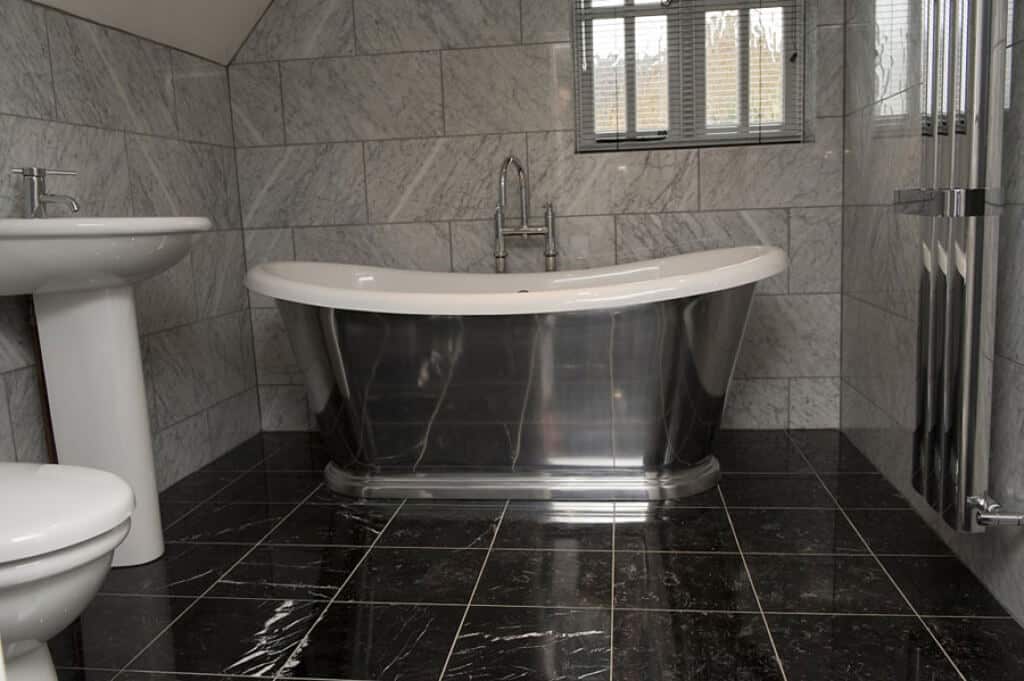
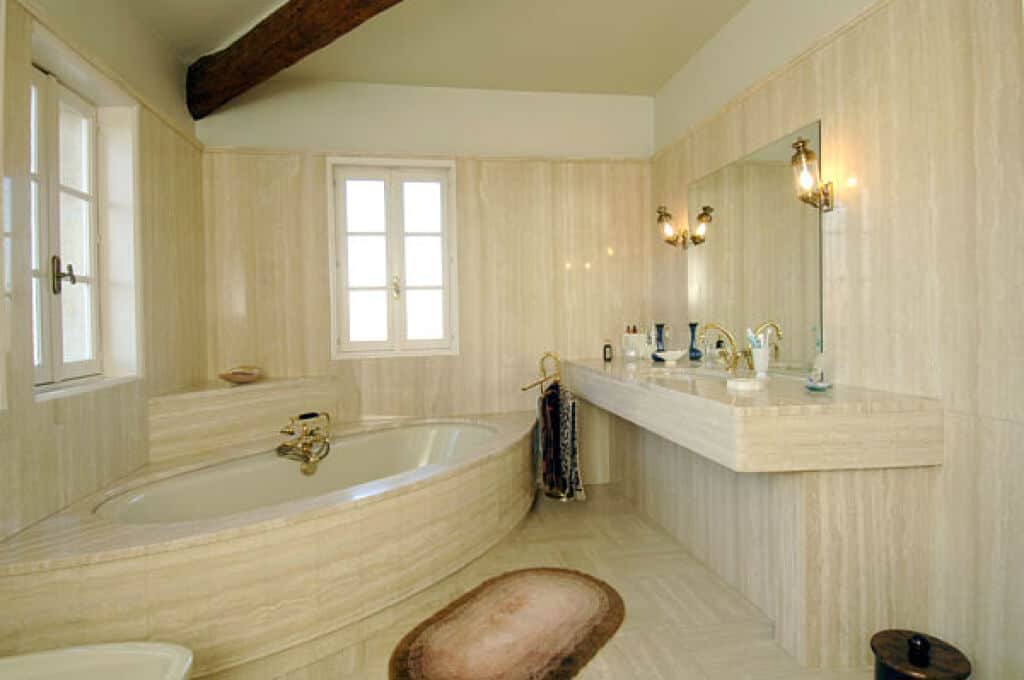
Yes. Bathroom marble takes a beating—constant water exposure, soap scum, hard water deposits, and cleaning products that aren’t marble-safe. Over time, that adds up to dull, etched, stained surfaces that look beyond saving.
But they’re not. We remove the buildup first, then assess what’s actually damaged versus what’s just dirty. Usually, there’s etching from acidic cleaners or prolonged water contact. Sometimes there’s staining from metal fixtures or mold. We grind away the damaged layer, hone and polish the surface, and seal it to protect against future moisture.
Bathroom marble restoration in Cobble Hill, NY is common because so many historic homes have original marble vanities, floors, and shower surrounds that have been improperly maintained for decades. The good news is that even heavily damaged bathroom marble can be brought back. It just takes the right process and someone who’s done it before.
Other Services we provide in Cobble Hill