Hear from Our Customers
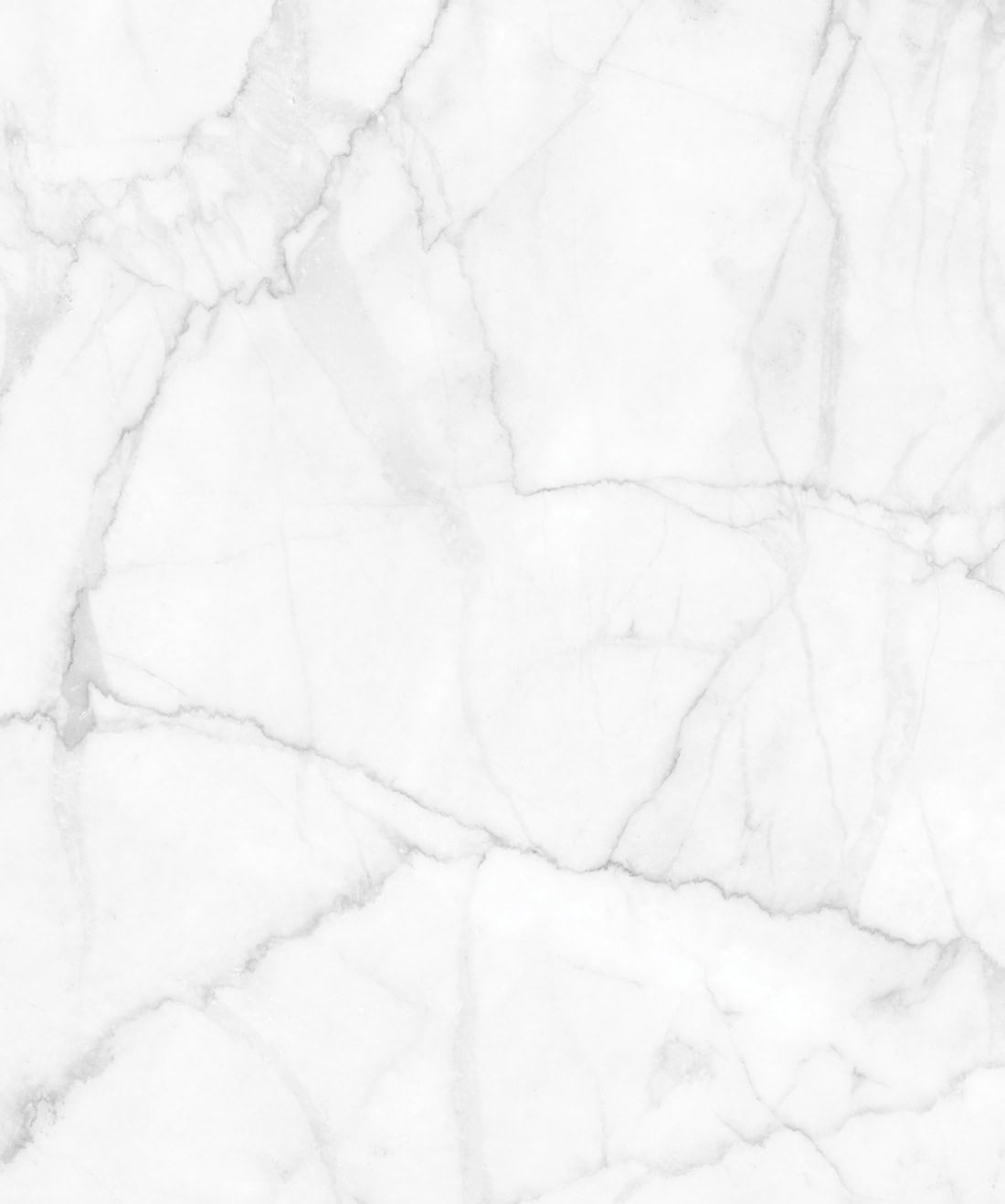
You’re looking at marble that’s lost its shine. Maybe there are etch marks around the sink where something acidic sat too long. Maybe the floor in your entryway looks cloudy no matter how much you clean it. Or maybe you’ve got a crack that’s been bothering you for months.
Here’s what changes after we complete professional marble restoration in Jamaica Estates, NY. We hone the surface down to remove damage—etching, scratches, stains—then polish it back to the finish it had when it was installed. That means the shine returns. The clarity returns. And you’re not looking at a $15,000 replacement bill.
Your home value stays intact. According to the National Association of Realtors, restored natural stone can increase property value by up to 25%. More importantly, you get your space back the way it’s supposed to look. No dull spots. No constant worry about what’s going to stain next. Just clean, polished marble that works the way it should.
NYC Stone Care is a family-owned marble restoration company that’s been operating in New York City and the tri-state area for over 40 years. We’re not a general contractor who does stone on the side. This is the only thing we do—marble and granite cleaning, polishing, repair, sealing, and full restoration.
Our team is led by a master craftsman who’s spent decades learning how different stones respond to different treatments. That matters in Jamaica Estates, where homes feature everything from classic Carrara to warmer Crema Marfil. The wrong technique or product can make things worse. We use dust-free diamond grinding, proper honing methods, and the right sealers for your specific stone and finish.
You’re working with people who’ve seen it all—water damage, deep etching, cracks, lippage issues—and know how to fix it correctly the first time.
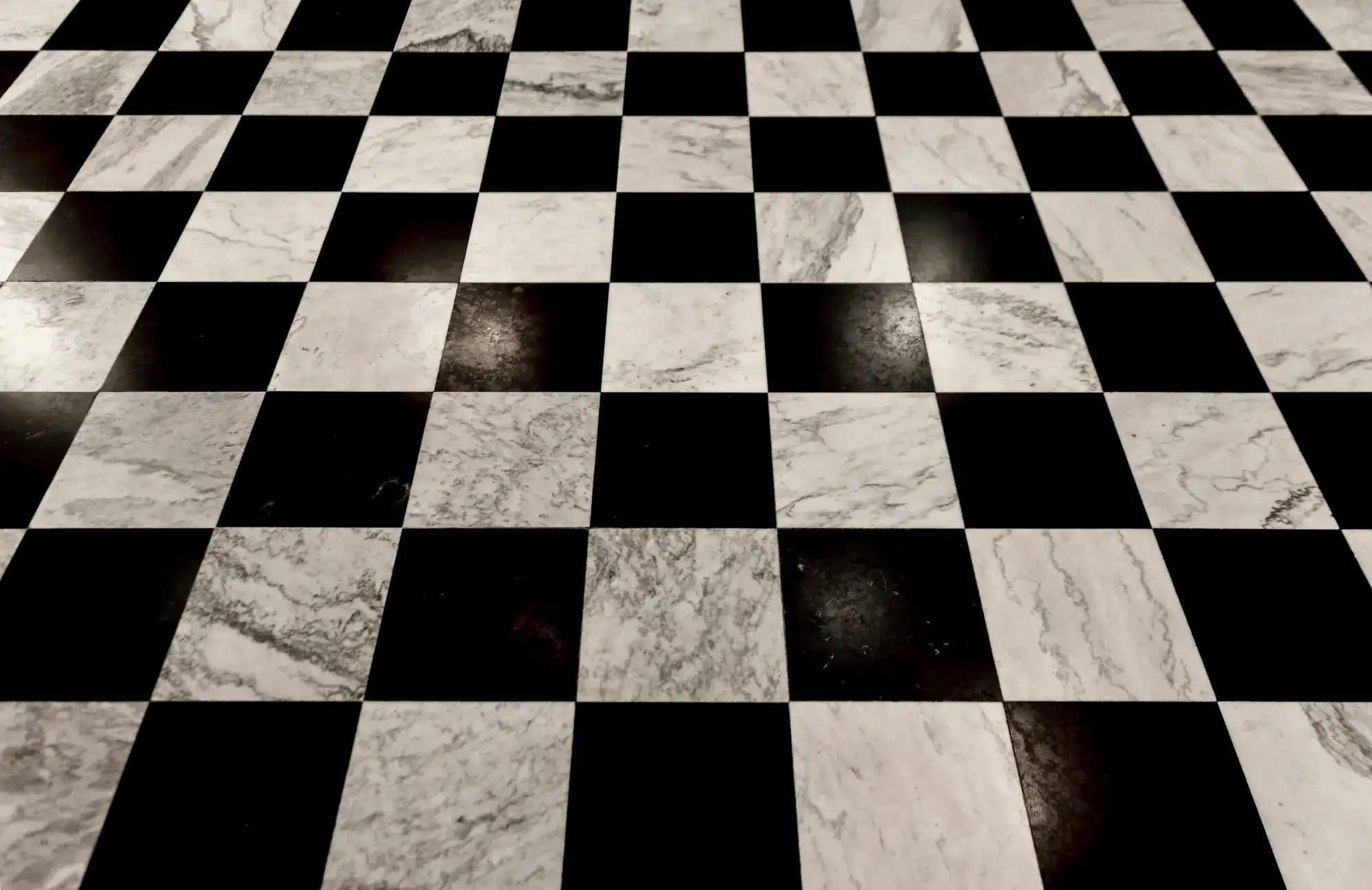
First, we assess the damage. Not every marble floor needs the same treatment. If you’ve got light etching, we might only need to polish. If there are deep scratches or uneven areas, we’ll start with honing to level the surface.
The restoration itself uses a dust-free diamond grinding process. We work through progressively finer grits to remove damage and smooth the stone. This isn’t a topical coating—we’re actually refinishing the marble itself. Once the surface is level and clear, we polish it to your desired finish, whether that’s a high gloss or a softer honed look.
After polishing, we apply a penetrating sealer that soaks into the stone and protects against future staining. This isn’t a shine product—it’s protection. The shine comes from the polish. Then we walk you through basic maintenance so you can keep it looking right. The whole process for a typical kitchen or bathroom takes a day, sometimes less. You’re not waiting weeks or dealing with a major demolition.
Ready to get started?
When we restore marble floors in Jamaica Estates, NY, you’re getting a complete correction. That includes repairing chips and cracks with color-matched epoxy, removing etch marks that have eaten into the calcium carbonate, and eliminating stains that regular cleaning can’t touch. We also address lippage—when tiles are uneven—and grind the surface flat if needed.
For countertops, our marble refinishing in Jamaica Estates covers honing away scratches and dullness, polishing to restore clarity and shine, and sealing to prevent future damage from oils, wine, or acidic foods. If you’ve got water rings or soap scum buildup, that gets stripped away during the process.
The homes in this area—many of them Tudor, Colonial, and Mediterranean-style properties built in the early 20th century—often feature original or high-end marble installations. We’ve worked on everything from entryway floors to master bath surrounds. The goal is always the same: restore the stone to the condition it was in when it was first installed, and do it for 70-90% less than replacement would cost. Most marble restoration service calls in Jamaica Estates run between $5-$18 per square foot depending on the damage, compared to $50-$125+ per square foot for full replacement.
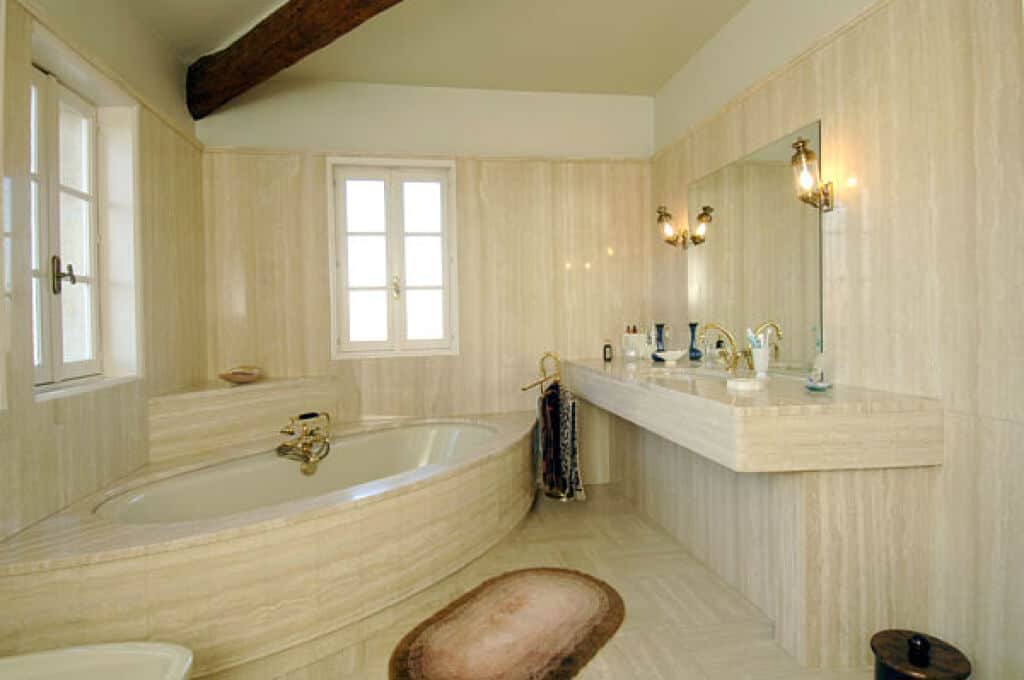
Etch marks can be removed, but it’s not a cleaning issue—it’s a restoration issue. An etch happens when acid reacts with the calcium carbonate in marble and literally dissolves a thin layer of the surface. That’s why it looks dull or rough compared to the surrounding area. You can’t clean it away because the marble itself is damaged.
To fix it, we have to remove a small amount of material from the surface using honing techniques. We start with a coarser grit to level the etched area with the rest of the stone, then work through finer grits to smooth and polish it back to match. For light etching, this can take minutes. For deeper damage, it requires more aggressive honing. Either way, the etch disappears because we’re creating a new, uniform surface.
This is why marble restoration in Jamaica Estates, NY requires someone who knows what they’re doing. If you use the wrong abrasive or technique, you can create more damage—uneven spots, scratches, or a finish that doesn’t match the rest of the floor. We’ve fixed plenty of DIY attempts and work from inexperienced contractors who made things worse.
Marble floor restoration in Jamaica Estates typically costs between $5 and $18 per square foot, depending on the condition and the level of work required. If you’ve got light scratches and dullness, you’re on the lower end. If there’s deep etching, cracks, or lippage that needs grinding, you’re closer to the higher end.
Replacement, on the other hand, runs $50 to $125+ per square foot once you factor in demolition, disposal, new material, fabrication, and installation. For a 200-square-foot entryway, restoration might cost $1,000 to $3,600. Replacement could easily hit $10,000 to $25,000. That’s why most homeowners choose to restore unless the marble is structurally compromised or they want a completely different material.
The other advantage is time. Restoration usually takes a day or two. Replacement can take a week or more, and you’re dealing with dust, debris, and contractors in and out of your home. If the marble itself is in decent shape and just needs surface correction, restoration makes sense financially and practically.
In most cases, yes. Almost without exception, damaged marble can be restored to its original condition and shine. The process removes the damaged layer and reveals fresh stone underneath. Once it’s polished, you’re looking at the same material that was there when it was installed—just with a new surface.
There are a few exceptions. If the marble has deep cracks that go all the way through, or if it’s been ground down multiple times over the years and there’s not much thickness left, full restoration might not be possible. But that’s rare. Most of the damage we see in Jamaica Estates homes—etching, staining, scratches, dullness—is surface-level and completely fixable.
The key is matching the finish. Some marble is installed with a high-gloss polish. Some has a honed, matte finish. We match whatever was there originally, or we can change it if you prefer a different look. The stone itself will look new. The finish will look however you want it to look.
If regular cleaning doesn’t fix the problem, you’re likely dealing with damage, not dirt. Dull spots that don’t respond to soap and water are usually etching. Scratches you can feel with your fingernail won’t buff out with a cleaner. Stains that have been there for months and won’t lift are probably absorbed into the stone.
Here’s a quick test: pour a small amount of water on the dull area. If it darkens and looks shiny when wet, then goes back to dull when it dries, that’s etching or surface damage. Cleaning won’t help. You need marble refinishing in Jamaica Estates to hone and polish the surface back to clarity.
Deep cleaning can help with surface grime, soap scum, and some light staining. But if the marble has lost its shine, feels rough, or has visible scratches, you need restoration. We can assess it in person and tell you exactly what’s required. Sometimes it’s a quick polish. Sometimes it’s a full honing and sealing job. Either way, you’ll know what you’re dealing with before we start.
Honing removes material from the marble surface to level it and eliminate damage. Polishing refines the surface to create shine and clarity. They’re two different steps, and not every job needs both.
If your marble has scratches, etching, or uneven areas, we start with honing. This involves using progressively finer diamond abrasives to grind away the damaged layer and create a smooth, uniform surface. Honing can also be used to change the finish—if you want a matte look instead of glossy, we stop at a lower grit. The stone is smooth but not reflective.
Polishing comes after honing. We use finer grits and polishing compounds to refine the surface until it’s reflective. This is what gives marble that glass-like shine. Polishing doesn’t remove much material—it’s about refining what’s already there. If your marble is in good shape but just looks dull, we might only need to polish without honing.
Most marble polishing and restoration projects in Jamaica Estates involve both. We hone to fix the damage, then polish to bring back the shine. The result is a surface that looks and feels new, with no trace of the original problem.
That depends entirely on how you maintain it and how much traffic the area gets. A marble floor in a busy entryway will show wear faster than a bathroom countertop. But with proper care, professionally restored marble can last 10 to 20 years before it needs major work again.
The sealer we apply after restoration helps protect against staining, but it doesn’t prevent etching or scratches. You’ll need to reseal every 1 to 3 years depending on use. That’s a simple process—either DIY or we can handle it. Avoid acidic cleaners, use pH-neutral products, and wipe up spills quickly. Those habits make a huge difference.
If you start noticing dullness or light scratches after several years, a maintenance polish can bring it back without a full restoration. Think of it like refinishing hardwood floors—you don’t need to sand down to bare wood every time. A light buff can refresh the surface. We’ve worked with homeowners in Jamaica Estates, NY who had their marble restored once 15 years ago and have only needed occasional polishing since. It’s about protecting your investment and staying ahead of damage before it gets deep.
Other Services we provide in Jamaica Estates