Hear from Our Customers
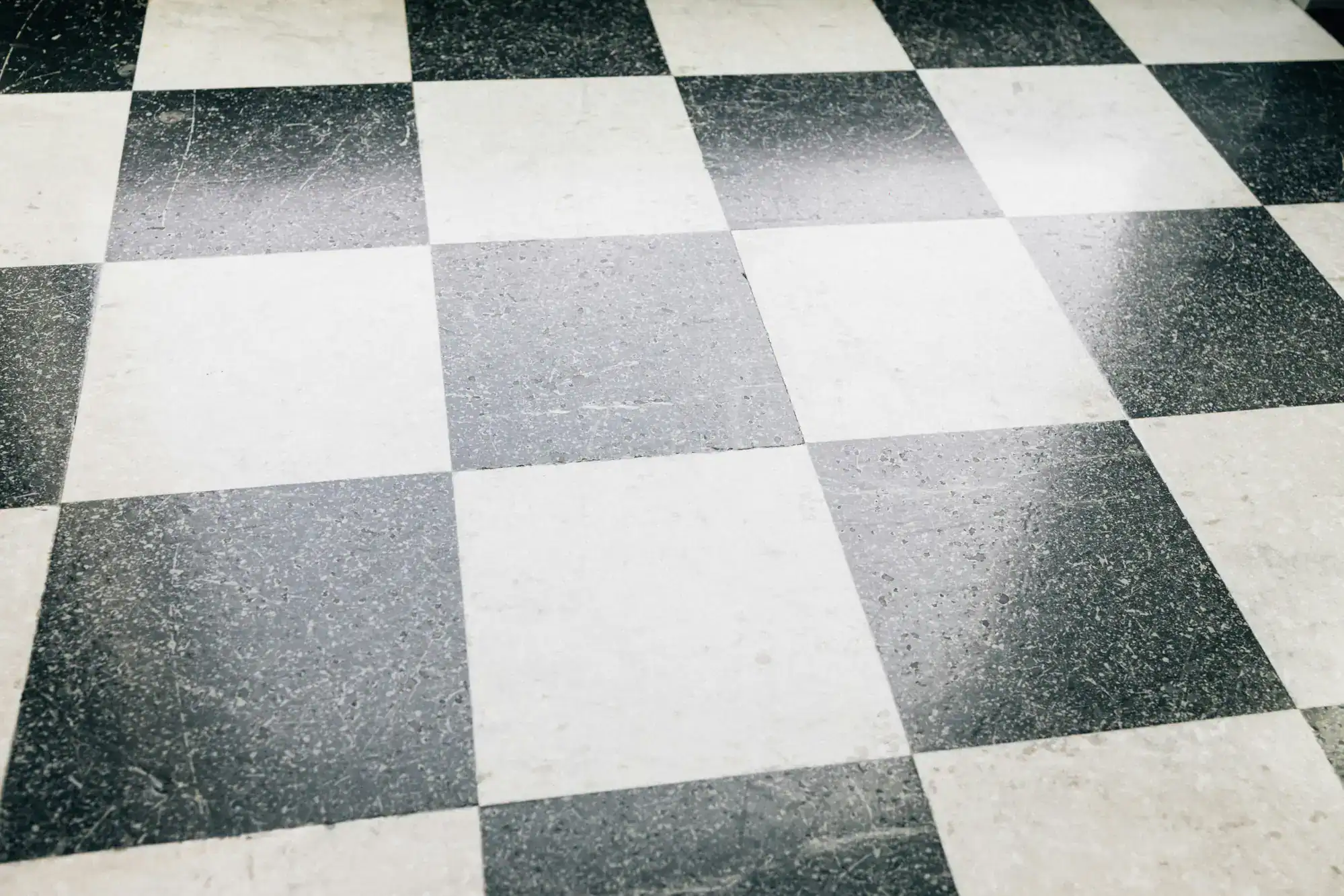
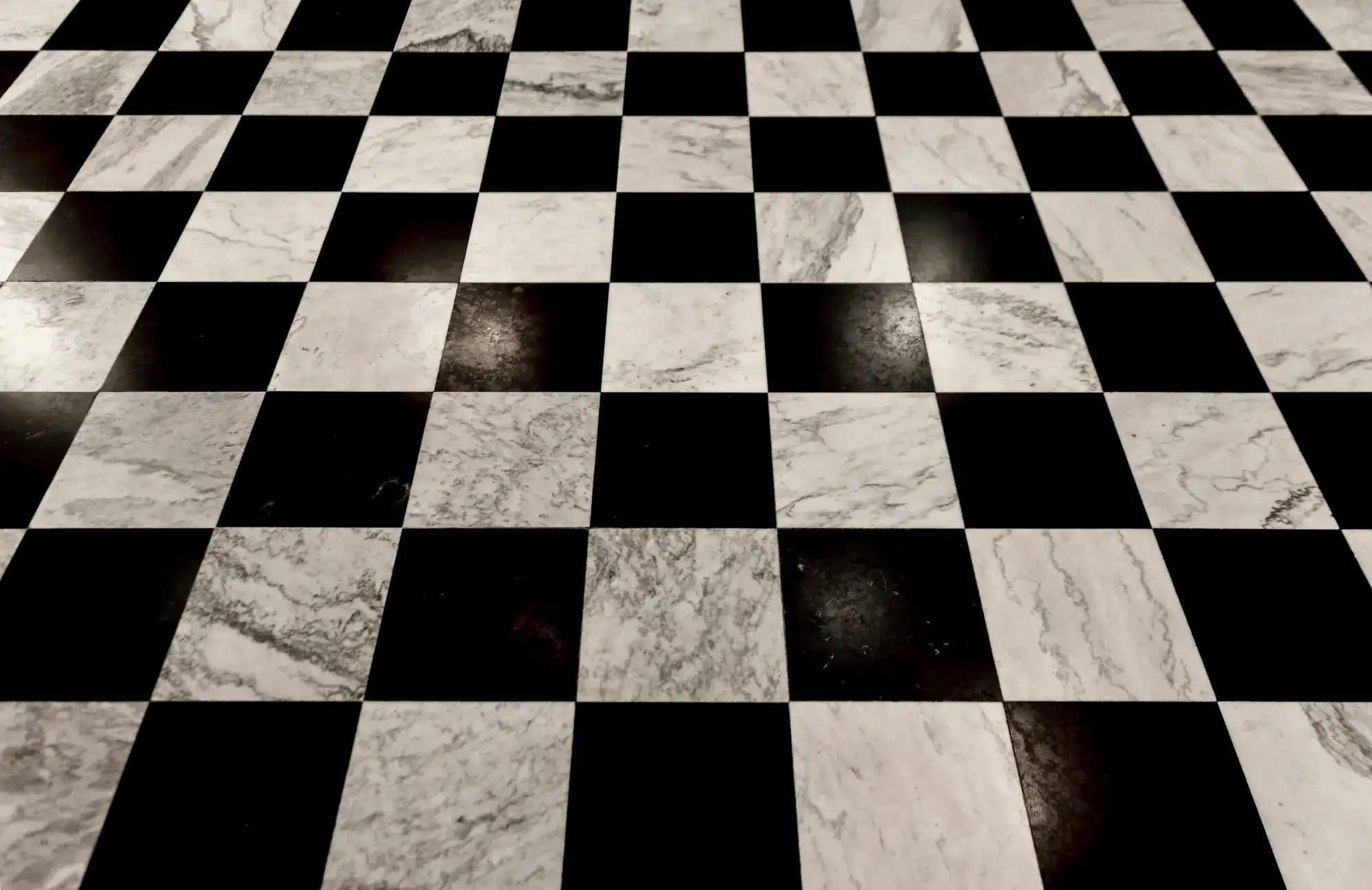
You’re not looking at dull floors anymore. The marble looks the way it did when it was first installed—smooth, reflective, clean.
No more embarrassment when clients walk through your lobby. No more tenants commenting on the condition of the floors. The surface actually reflects light again instead of absorbing it.
And here’s what most people don’t realize until after: restored marble is easier to maintain. It takes less time to clean. Less product. Less money every month. That’s because the surface is sealed and polished properly, so dirt doesn’t embed itself the way it does in damaged stone.
You’re also protecting your investment. Marble replacement in Lower Manhattan isn’t cheap. Restoration costs a fraction of that, and when done correctly, it adds years—sometimes decades—to the life of your floors.
We’ve been restoring marble in Radio Row and throughout Lower Manhattan for over 40 years. We’re a family-owned company operated by a master craftsman who’s seen every type of marble damage you can imagine—and plenty you probably haven’t.
We’ve worked on landmark buildings, luxury residential properties, and commercial spaces throughout the Financial District and Tribeca. The techniques we use aren’t shortcuts. They’re the same methods used to restore museum-grade stone.
Radio Row sits in one of the most demanding environments for natural stone. Between the foot traffic, the weather, the salt and grit that gets tracked in during winter, and the general wear of city life, marble takes a beating here. We know exactly how to address that.
First, we assess the damage. Not every marble floor needs the same level of work. Some need a full restoration with diamond abrasive grinding. Others just need polishing and sealing. We’ll tell you exactly what yours needs.
If your marble is scratched, etched, or uneven, we start with grinding. We use progressive diamond abrasives to remove the damaged layer and create a perfectly smooth surface. This isn’t buffing. It’s physically removing the problem.
Then we hone and polish the stone using finer and finer abrasives until we hit the level of shine you want—whether that’s a soft hone or a mirror finish. Finally, we seal the marble to protect it from stains, moisture, and daily wear.
The process is dustless. We don’t leave a mess. And when we’re done, your marble looks like new stone—not because we covered up the damage, but because we removed it.
Ready to get started?
Our marble polishing and restoration Radio Row service covers everything your floors need. We handle grinding, honing, polishing, stain removal, and sealing. If there are cracks or chips, we repair those too.
In Radio Row, we see a lot of acid etching—usually from improper cleaning products. A lot of building maintenance crews don’t realize that acidic cleaners destroy marble. We remove that damage and restore the original finish.
We also deal with lippage, which is when tiles become uneven over time. This happens in older buildings throughout Lower Manhattan. The solution is grinding the surface flat, then re-polishing. It’s not a quick fix, but it’s the only real fix.
You’ll also get advice on how to maintain the marble after we leave. Most damage is preventable if you know what you’re doing. We’ll walk you through what products to use, what to avoid, and how to keep your floors looking good between professional services.
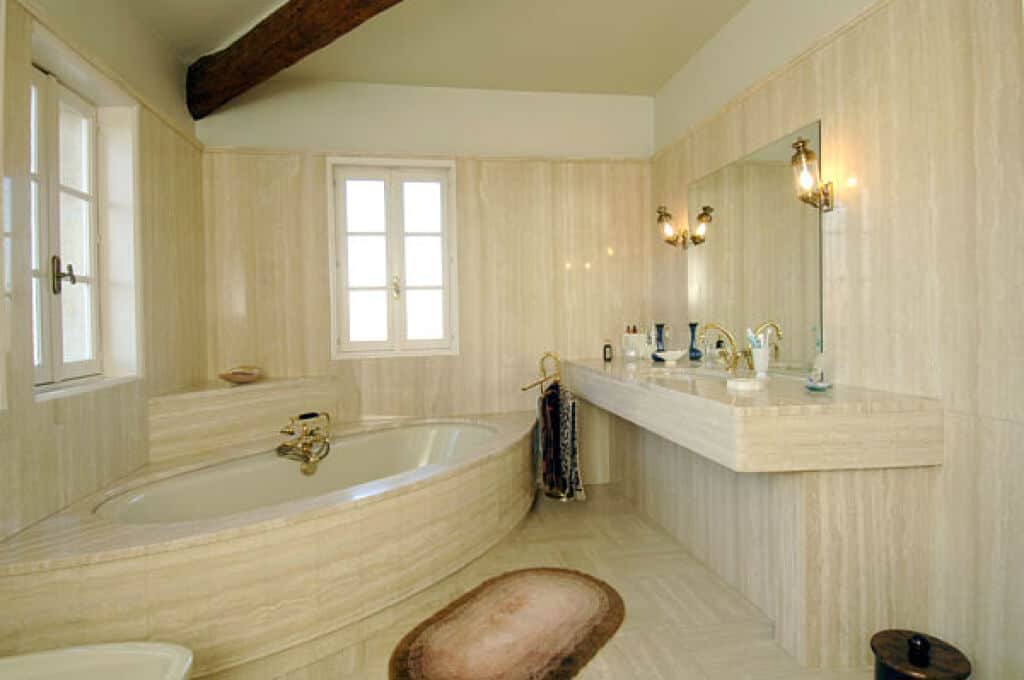
It depends on the size of the space and the condition of the marble. A typical residential bathroom takes about a day. A commercial lobby might take two to three days.
The process can’t be rushed. Each step—grinding, honing, polishing—has to be completed properly before moving to the next. If we skip steps or rush through them, the finish won’t last.
We work efficiently, but we don’t cut corners. You’re paying for a restoration that lasts years, not months. That requires doing it right the first time.
Yes. Deep scratches and etch marks are physical damage to the stone, but they’re not permanent. We remove them using diamond abrasive grinding.
Etch marks happen when acid eats into the marble. It’s not a stain—it’s actual surface damage. Cleaning won’t fix it. Polishing won’t fix it. You have to grind down past the damaged layer, then re-polish the stone.
The same goes for scratches. We grind the surface smooth, removing the scratches entirely, then restore the finish. The marble ends up looking like new stone because we’ve essentially created a new surface.
Restoration costs a fraction of replacement. In most cases, you’re looking at 20-30% of what replacement would cost—and you’re keeping your original marble, which often has better quality than what’s available today.
Replacement also means tearing out the old stone, disposing of it, prepping the subfloor, and installing new material. That’s weeks of work and major disruption. Restoration is done in days with minimal interruption.
The only time replacement makes sense is if the marble is structurally compromised—cracked through the slab, or if there’s subfloor damage underneath. Otherwise, restoration is the smarter financial decision.
Foot traffic is the main culprit. Every time someone walks across marble, they’re grinding microscopic particles into the surface. Over time, this wears away the polish.
Improper cleaning makes it worse. A lot of maintenance crews use acidic cleaners or harsh chemicals that etch the marble. Once the surface is etched, it can’t reflect light properly. That’s when you get that dull, cloudy look.
Environmental factors play a role too. Salt, sand, and grit from the streets get tracked inside, especially in winter. If that debris isn’t removed quickly, it acts like sandpaper on your floors every time someone walks on it.
Use a pH-neutral cleaner. That’s the most important thing. Avoid anything acidic—no vinegar, no lemon-based products, no harsh chemicals. Those will etch the marble and undo the restoration work.
Sweep or dust mop daily to remove grit and debris before it gets ground into the surface. For wet cleaning, use a damp mop with pH-neutral cleaner, then dry the floor. Standing water can cause problems over time.
Put walk-off mats at entrances to catch dirt before it reaches your marble. This is especially important in Radio Row where street debris is constant. The less grit that makes it onto your floors, the longer your restoration lasts.
Yes. We work on everything from apartment bathrooms to commercial building lobbies. The techniques are the same—what changes is the scale and the timeline.
For residential properties, we typically work on bathrooms, kitchens, foyers, and fireplace surrounds. These are smaller spaces, so the work goes faster. We can usually complete a residential job in one to two days.
Commercial work includes lobby floors, elevator banks, and common areas in office buildings. These projects are larger and require more coordination, but we’ve been doing this in Lower Manhattan for decades. We know how to work around your building’s schedule and minimize disruption to tenants.
Local Resources
Other Services we provide in Radio Row