
Hear from Our Customers

Your marble looks dull because years of foot traffic, spills, and the wrong cleaning products have worn down the surface. That doesn’t mean the stone is ruined—it means the finish needs professional attention.
Marble restoration brings back the depth and clarity you remember. The veining becomes dramatic again. Light reflects off the surface instead of disappearing into a hazy film. Your floors, countertops, and vanities look intentional again, not neglected.
This matters in Woodmere, where homes average over a million dollars and details count. Restored marble doesn’t just look better—it protects your investment. Well-maintained original stone can add 3-5% to your property value, and it signals to buyers that the home has been cared for. More importantly, restoration costs between $5 and $15 per square foot, while replacement runs $70 to $190. You’re looking at thousands in savings for results that often surpass new installation.
The process takes one to three days for most projects. You’re not living in a construction zone for weeks. You’re getting your space back quickly, with surfaces that perform better than they did before.
We’ve worked on marble throughout New York City and Long Island for more than ten years. We’ve seen what happens when homeowners try DIY fixes, when cleaning companies use the wrong products, and when contractors promise results they can’t deliver.
Woodmere homes have specific challenges. Many feature traditional colonials and Tudors with original marble that’s decades old. These surfaces need period-appropriate techniques, not one-size-fits-all approaches. Modern kitchens here see heavy use—cooking oils, acidic spills, cosmetics in bathrooms. That daily wear requires restoration methods that address the actual damage, not surface-level polishing that wears off in months.
We use industrial diamond pad systems that progressively remove etching, stains, and scratches before building up to a mirror polish. Then we apply advanced sealers that make future spills wipeable instead of permanent. It’s a complete reset for your marble, handled by technicians who’ve done this hundreds of times in homes like yours.
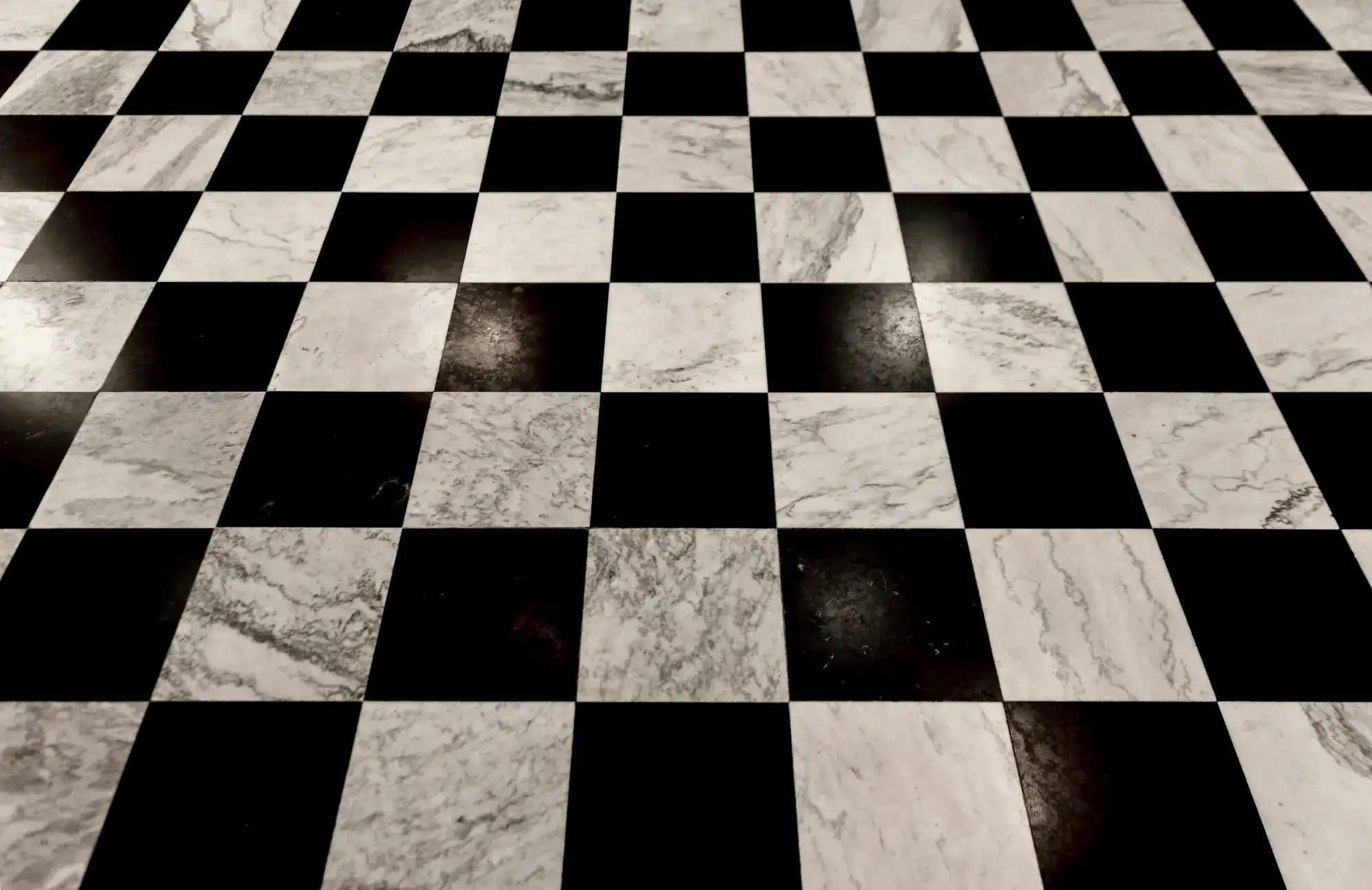
First, we assess the damage. Not all marble problems are the same—etching from lemon juice looks different than oil staining, and both require different approaches. We identify what’s happened to your stone so we can fix it properly.
Next comes the restoration itself. We use a series of diamond-embedded pads, starting with coarser grits to remove the damaged layer and progressively moving to finer grits. This isn’t buffing or polishing over problems—we’re actually removing the compromised surface and revealing fresh stone underneath. Each pass makes the marble smoother and clearer until we reach the final polish that creates that mirror-like reflection.
After polishing, we apply a penetrating sealer designed specifically for marble. This isn’t a coating that sits on top and wears off. It soaks into the stone and creates a barrier against moisture, oils, and acids. Your marble becomes far more resistant to the daily exposure that damaged it in the first place.
We finish with a walkthrough. You see the results, we make sure you’re completely satisfied, and we give you maintenance guidance so the restoration lasts. Most clients are surprised by how much lighter and more open their spaces feel once the marble is properly restored.
Ready to get started?
We handle floors, countertops, vanities, walls, fireplace surrounds, and exterior marble. If it’s stone and it’s damaged, we can restore it. That includes chips, cracks, deep scratches, etching, stains, and general dullness from age and use.
In Woodmere, we often work on kitchen countertops that have years of cooking-related damage—oil stains around the stove, etching near the sink from dish soap, water rings, coffee stains. Bathroom vanities see similar wear from cosmetics and toiletries. Entryway floors in larger colonial homes take a beating from foot traffic and weather exposure, especially near doorways.
Each project gets the full treatment: damage removal, progressive refinishing, high-polish finish, and professional-grade sealing. We’re not cutting corners to hit a price point. The equipment we use costs tens of thousands of dollars because it delivers results that hand tools and consumer-grade products can’t match.
You also get transparency. We’ll tell you upfront if something can’t be fixed, if replacement makes more sense, or if a repair is possible but won’t look perfect. The goal is a marble surface that performs well and looks great for years—not a quick fix that fails in six months.
Restoration typically runs $5 to $15 per square foot depending on the condition and type of marble. Countertop restoration averages around $12 per square foot. Replacement costs are dramatically higher—new marble installation on Long Island ranges from $70 to $190 per square foot once you factor in materials, demolition, disposal, and installation labor.
For a standard kitchen with 40 square feet of countertops, you’re looking at roughly $480 to $600 for restoration versus $2,800 to $7,600 for replacement. The gap widens with larger projects. A 200-square-foot marble floor costs $1,000 to $3,000 to restore but $14,000 to $38,000 to replace.
Restoration also avoids the hidden costs of replacement: living without your kitchen or bathroom during extended construction, the risk of discovering substrate damage once the old marble comes out, and the challenge of matching existing stone if you’re only replacing part of a space. Most restoration projects finish in one to three days with minimal disruption.
Yes, in most cases. Etching happens when acidic substances like lemon juice, vinegar, wine, or certain cleaning products eat into the marble’s surface, leaving dull spots. Stains occur when liquids penetrate the stone—common culprits include oil, coffee, and cosmetics.
Etching requires physically removing the damaged layer through progressive refinishing with diamond pads. We start with a grit that’s aggressive enough to get below the etched surface, then work through finer grits to restore clarity and polish. It’s not a quick buff—we’re actually resurfacing the stone.
Stains need different treatment depending on what caused them. Oil-based stains often require poulticing—applying a specialized paste that draws the stain out of the stone over 24 to 48 hours. Organic stains like coffee or wine may need chemical treatment before refinishing. Deep or old stains can be stubborn, but most respond well to professional treatment combined with proper refinishing and sealing. The key is identifying what caused the stain so we can use the right removal method.
Most marble floor restoration projects take one to three days depending on the square footage and condition. A small entryway or bathroom might be done in a day. Larger spaces like a kitchen, dining area, or full first floor typically take two to three days.
The timeline includes surface preparation, the multi-step refinishing process, polishing, and sealing with adequate drying time. We can often work in sections so you’re not completely cut off from your space, though you’ll need to stay off the marble while it’s being worked on and for several hours after sealing.
Replacement, by comparison, takes much longer. Demolition alone can take a day or more. Then you’re waiting for new stone to be fabricated and delivered, which can take weeks. Installation adds another few days, plus time for grout or mortar to cure. You’re easily looking at three to six weeks from start to finish, and that’s if everything goes smoothly with no delays or complications. Restoration gets you back to normal in a fraction of that time.
In most cases, properly restored marble looks better than new because we’re revealing the stone’s full character without the haze and damage that’s built up over years. The veining becomes more dramatic, the color depth returns, and the polish reflects light the way it should.
There are limits. If your marble has deep cracks, large chips, or structural damage, restoration can improve appearance significantly but won’t make those issues disappear entirely. We can fill and repair cracks so they’re much less noticeable, but they’ll still be there if you look closely. Surface-level damage—etching, scratches, dullness, most stains—responds extremely well to restoration and often becomes completely invisible.
One advantage restoration has over replacement is that you keep your original stone. In historic Woodmere homes, that matters. Original marble often has character and quality that’s hard to match with new material. The veining patterns are unique, and older marble was sometimes sourced from quarries that no longer operate. Restoration preserves that originality while bringing back the performance and appearance of new stone. Most clients tell us their restored marble exceeds their expectations.
Polishing is the final step in restoration, but it’s not the same thing as full restoration. Polishing buffs the surface to create shine—it works if your marble is in good condition but just looks a little dull. It doesn’t fix etching, stains, scratches, or uneven wear.
Full restoration addresses the actual damage before polishing. We remove the compromised surface layer using progressively finer diamond pads, which eliminates etching, scratches, and surface stains. This process is called honing and refinishing. Only after we’ve restored the stone to a smooth, damage-free state do we polish it to a high-gloss finish.
Many cleaning companies offer “marble polishing” but only buff the surface with compounds. That might add some temporary shine, but it doesn’t fix underlying problems and can actually make things worse by spreading etching or grinding abrasive compounds into the stone. Professional restoration uses water-cooled diamond tooling that removes damage without creating new problems. The polishing step comes last, after the stone is properly prepared. That’s why restoration results last years instead of months—we’re fixing the problem, not masking it.
Yes, sealing is a critical final step. After restoration, the marble is clean and porous—it’ll absorb liquids quickly if left unsealed. We apply a penetrating sealer that soaks into the stone and creates a barrier against moisture, oils, and acids.
This doesn’t make marble stain-proof, but it makes it far more resistant. Spills that would have immediately soaked in and stained now sit on the surface long enough for you to wipe them up. The sealer also makes daily cleaning easier because dirt and grime don’t penetrate as deeply.
How long sealing lasts depends on use and maintenance. In high-traffic areas like kitchen countertops, you’re looking at resealing every one to three years. Lower-traffic areas like bathroom vanities or floors in formal spaces can go three to five years. You’ll know it’s time to reseal when water stops beading on the surface and starts soaking in instead. We provide guidance on how to test this and can handle resealing as part of ongoing maintenance. Proper sealing extends the life of your restoration significantly and makes the marble much easier to live with day to day.
Other Services we provide in Woodmere