Spacious modern bathroom with white tiles and sleek shower design.

No More Mold. No More Water Damage.

Stone Caulking Service New York City

That black mold on your marble shower isn't just ugly. It's a warning. When caulk fails, water gets where it shouldn't, and the repairs aren't cheap. We remove every trace of old, molded caulk and seal your stone the right way.

The NYC Marble Care Difference

Why Stone Surfaces Need Specialists

01

Over 40 Years Experience

Four decades working exclusively with natural stone means we know how to protect marble, granite, and limestone without causing damage during removal.

02

Master Craftsmen Only

No subcontractors. No handymen. Just trained stone restoration technicians who understand the unique requirements of natural stone in wet environments.

03

Complete Caulk Removal First

We don't caulk over old material. Every project starts with thorough removal and surface cleaning so the new seal actually bonds and lasts.

04

Satisfaction Guaranteed Every Time

We stay until you're completely satisfied. Your stone surfaces represent a significant investment, and we treat them that way from start to finish.

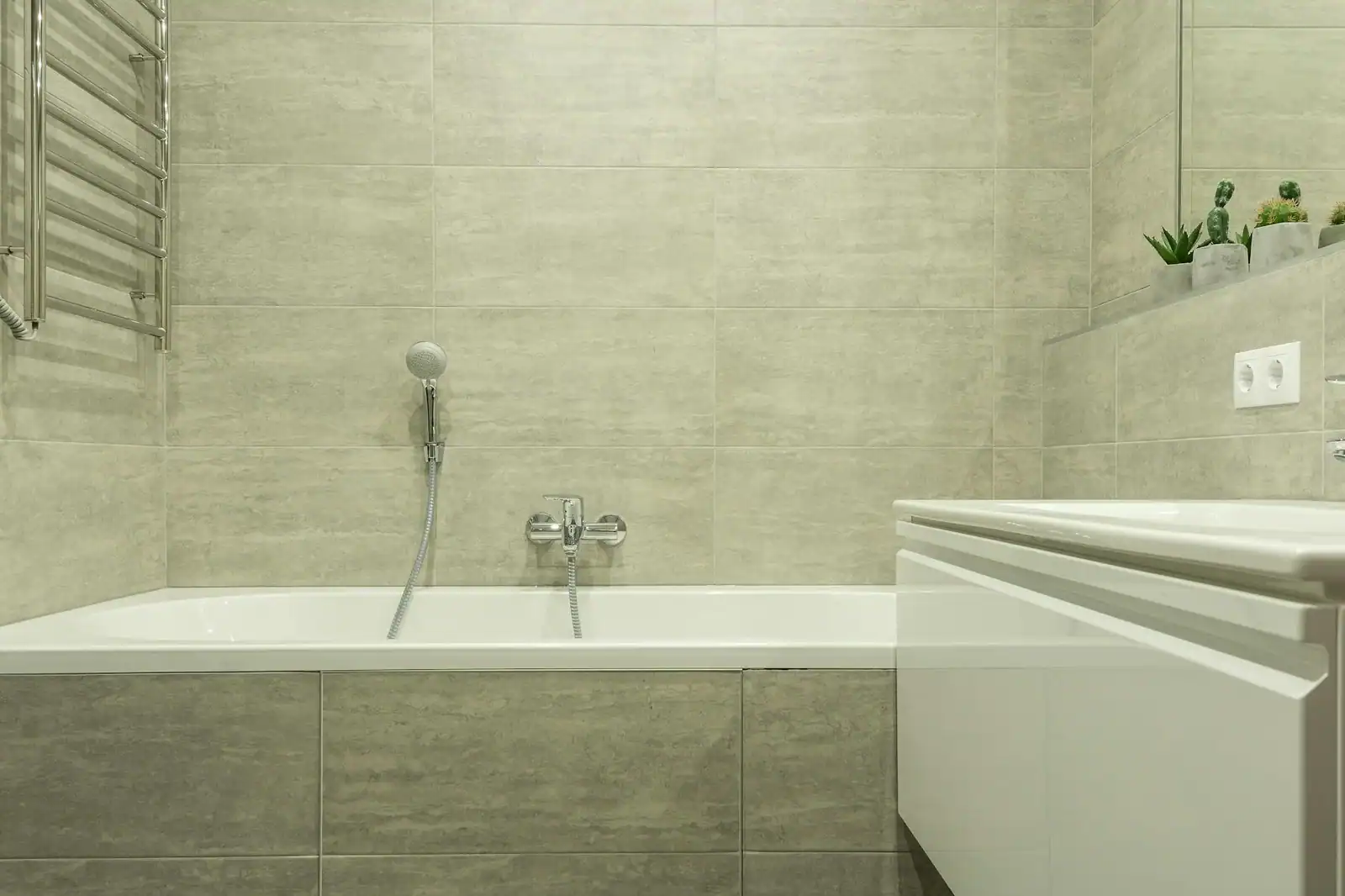
A clean and modern bathroom interior showcasing a ceramic bathtub and stylish tiles.

Caulking Isn't Just Cosmetic. It's Protection.

Professional Marble Caulking New York City

If you have natural stone in your bathroom or kitchen, you already know it needs proper care. What you might not know is that the caulk sealing those joints between your marble shower walls, stone countertops, and fixtures is doing critical work. It's preventing water from migrating behind the stone, under the floor, into the walls. When that seal fails—and it will, eventually—you're looking at mold growth, structural damage, and repair bills that make re-caulking look like pocket change.

The problem is that most people don't think about caulk until it's already discolored, cracking, or peeling away. By then, water's been seeping through for months. In New York City, where humidity is high and stone bathrooms are common in older buildings, this isn't a minor issue. It's one of the most frequent causes of avoidable water damage we see.

Professional stone caulking service in New York City means complete removal of the old material, proper surface prep, and application of the right products for natural stone. Not the tube you grab at the hardware store. Not the same stuff used on drywall. Stone-specific solutions that flex, seal, and hold up in wet conditions.

What Proper Re-Caulking Actually Does for You

Bathroom Caulking Replacement New York City

Beyond making your shower look clean again, professional stone joint caulking protects your property, your health, and your wallet from problems that start small and get expensive fast.

01You stop worrying every time you step into the shower that water is slowly destroying what's behind those walls.
02Black mold disappears completely, not just temporarily, because we remove the source instead of covering it up.
03Your bathroom looks and smells fresh again without spending tens of thousands on a full renovation.
04The new seal lasts years longer than DIY attempts because it's applied correctly the first time.
05You avoid the nightmare scenario of discovering rotted subfloors or damaged drywall that could have been prevented.
06Your expensive marble or granite stays protected from water infiltration that can cause permanent staining and damage.
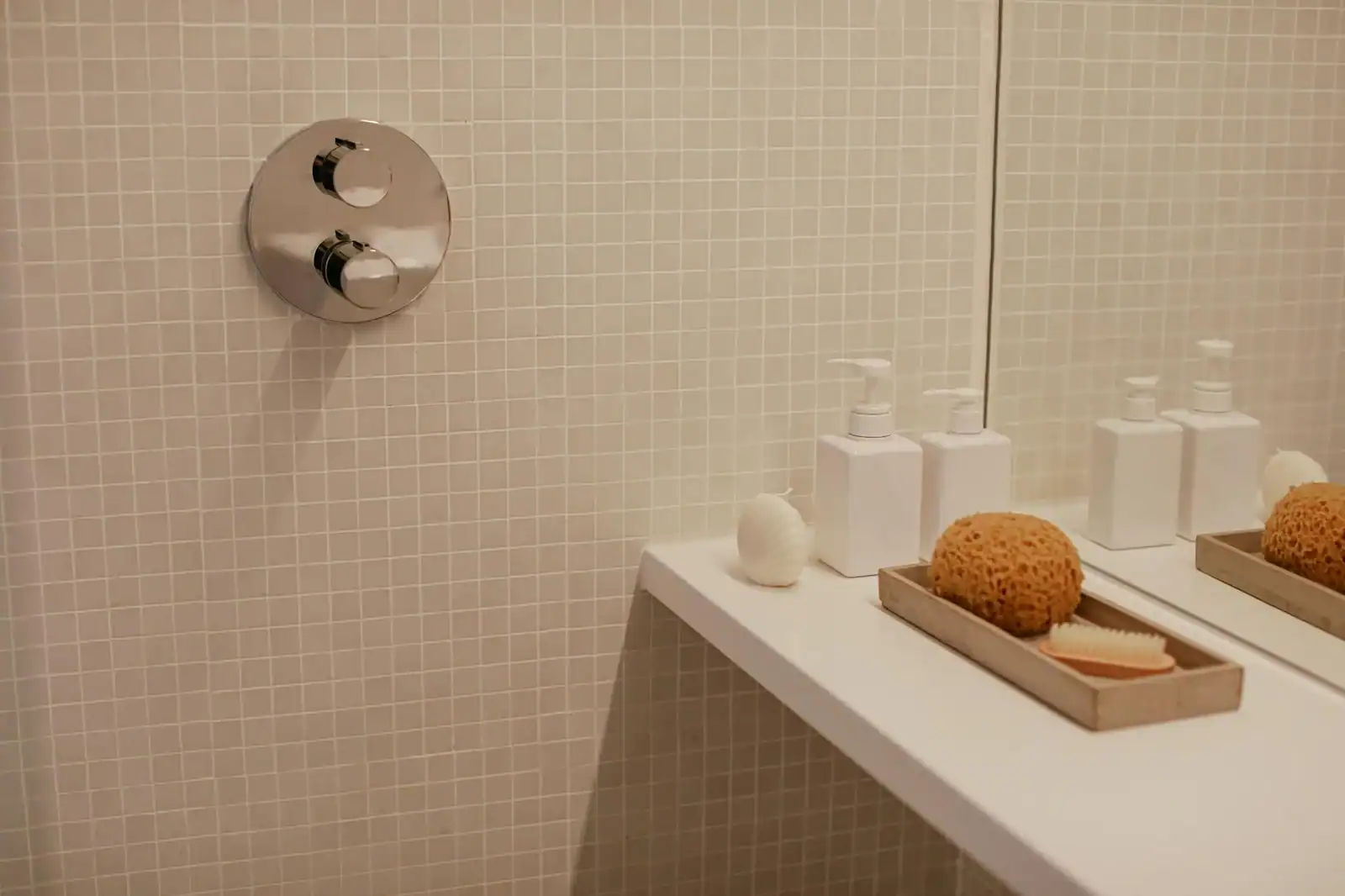
Clean, minimalist bathroom featuring soap dispensers and a loofah on a shelf against a tiled wall.

Why Stone Caulking Isn't a DIY Project

Marble Shower Recaulking New York City

You can find a dozen YouTube videos showing you how to re-caulk a bathroom. Most of them are wrong for natural stone. The tools are too aggressive. The products aren't compatible. The techniques assume you're working with tile and drywall, not marble that costs hundreds per square foot.

Removing old caulk from stone without scratching or etching the surface requires the right tools and a lot of experience. Marble is softer than you think. Granite can chip at the edges. Limestone is porous and will absorb the wrong cleaning products. We've spent decades learning how to work with these materials safely.

Then there's the mold issue. If you see black spots on your caulk, the mold isn't just on the surface. It's penetrated deep into the material, and in many cases, it's growing behind the caulk line where moisture has been seeping through cracks you can't even see. Scrubbing with bleach might lighten the stains temporarily, but it doesn't solve the problem. Complete removal and proper surface treatment does.

The application itself matters more than people realize. Too much caulk looks bulky and unprofessional. Too little leaves gaps where water can enter. The wrong type of caulk won't flex with your stone as temperatures change, leading to cracks within months. We use commercial-grade silicone formulated specifically for natural stone in wet environments, and we apply it with techniques that create clean, thin, durable seals.
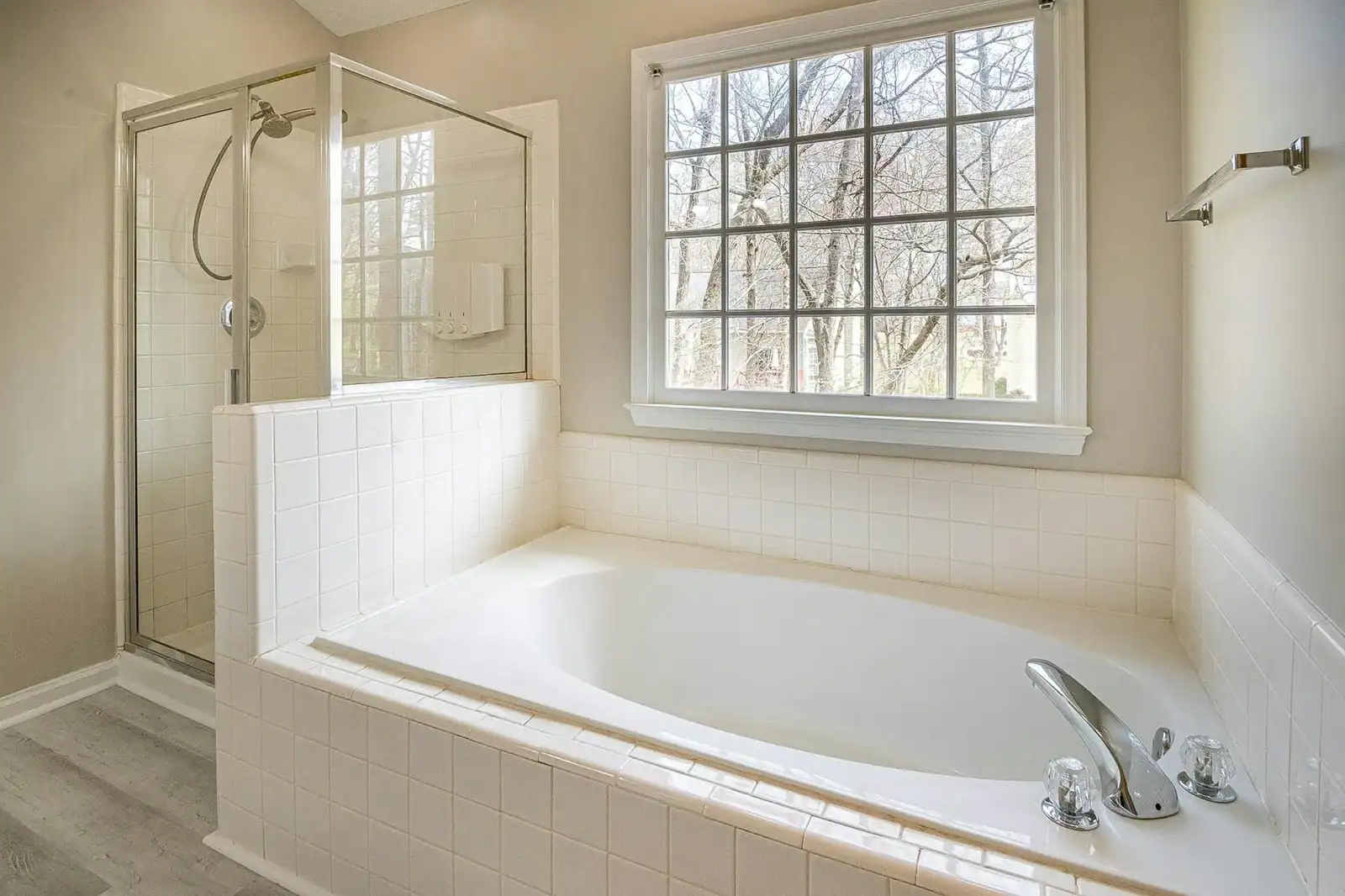
Spacious bathroom interior featuring a modern bathtub, shower, and large window with natural light.

What's Included in Professional Stone Caulking

Stone Joint Caulking New York City

When we handle a bathroom caulking replacement in New York City, you're getting a complete process, not just someone running a bead of caulk over the old stuff and calling it done.

First, we remove every bit of existing caulk. This takes time and patience, especially if previous applications were done incorrectly or if there are multiple layers. We use specialized tools that won't scratch your stone surfaces. Once the old material is out, we inspect the joints for any signs of water damage, mold growth behind the line, or issues that need to be addressed before we seal things back up.

Next comes cleaning. The surfaces have to be completely clean and dry for the new caulk to bond properly. We remove soap scum, hard water deposits, any remaining mold spores, and residue from the old caulk. Then we let everything dry thoroughly. Applying caulk to damp surfaces is asking for adhesion failure.

The application itself is where experience shows. We apply a consistent bead that's sized appropriately for the joint, tool it smooth for a professional finish, and ensure complete coverage without excess. We can color-match the caulk to your grout or stone if that's what you prefer. Finally, we clean up completely and give you guidance on cure time before the shower can be used again.

How We Handle Your Stone Caulking Project

Recaulking Service Near You New York City

Inspection and Assessment

We examine your stone surfaces, check the condition of existing caulk, and identify any water damage or mold issues that need attention.

Complete Removal and Prep

Old caulk comes out completely using stone-safe tools. We clean and disinfect all surfaces, then ensure everything is thoroughly dry before proceeding.

Professional Application and Finish

We apply commercial-grade caulk formulated for natural stone, tool it to a clean finish, and provide cure time guidance so it sets properly.

FAQ

Frequently Asked Questions

How often should caulk be replaced in a marble shower or stone bathroom?
Most experts recommend replacing bathroom caulk every five years, even if it doesn't look damaged. That said, what you see on the surface doesn't always tell the full story. If you notice any discoloration, black spots, cracking, peeling, or gaps, it's time to replace it now, not later. Mold doesn't stay on the surface. It penetrates into the caulk and grows behind it where moisture is present. By the time you see visible mold, it's been there for a while. In New York City, where humidity levels are higher and many buildings have older plumbing systems, we often see caulk that needs replacement sooner than the five-year mark. The good news is that replacing it before it fails completely prevents the much more expensive problems that come from water damage.
What's the difference between regular caulk and caulk for natural stone surfaces?
Regular acrylic or latex caulk that you'd use around baseboards or windows isn't designed for the constant moisture exposure that bathroom stone surfaces face. It will dry out, crack, and peel much faster. Silicone-based caulk is what you want for stone in wet areas because it stays flexible, resists mold and mildew better, and maintains a watertight seal even as temperatures and humidity levels change. But not all silicone caulk is the same. The commercial-grade products we use are formulated specifically to bond with natural stone without causing discoloration or etching. They're also designed to flex with the natural movement of stone as it expands and contracts. Using the wrong product can actually damage your marble or granite over time, which is one of the main reasons stone caulking should be handled by professionals who work with these materials regularly.
Can you just clean moldy caulk instead of replacing it completely?
If the mold is only on the surface and the caulk itself is still in good condition with no cracks or gaps, you might be able to clean it temporarily with a bleach solution or specialized mold remover. But here's the reality: if mold is visible, it's almost always penetrated into the caulk material itself, and it's likely growing behind the caulk line where water has been seeping through. Cleaning the surface will make it look better for a few weeks or months, but the mold will come back because you haven't addressed the source. The only permanent solution is complete removal of the old caulk, treatment of the surfaces to kill any mold spores, proper drying, and application of fresh caulk. It's more work upfront, but it actually solves the problem instead of just covering it up temporarily. We see a lot of situations where homeowners have been scrubbing their caulk with bleach for years, and they're frustrated that it keeps coming back. Once we remove it and do it properly, the problem is gone.
How long does professional stone caulking service take and when can I use my shower again?
For a standard bathroom shower, the actual work typically takes a few hours. Removing the old caulk carefully without damaging your stone takes time, and proper surface preparation can't be rushed. The application itself is relatively quick, but doing it right matters more than doing it fast. The bigger question is cure time. Most quality silicone caulk needs 24 to 48 hours to cure fully before it should be exposed to water. We'll give you specific guidance based on the product used and the conditions in your bathroom, but plan on not using that shower for at least a full day, possibly two. If you have multiple bathrooms, this isn't a big deal. If it's your only shower, you'll want to plan accordingly. The cure time is important because using the shower before the caulk has fully set can compromise the seal and lead to adhesion failure, which defeats the entire purpose of having it done professionally.
Why does caulk fail faster in some bathrooms than others?
Ventilation is the biggest factor. Bathrooms without proper exhaust fans or windows trap moisture and humidity, which accelerates caulk deterioration and promotes mold growth. If your bathroom stays damp for hours after every shower, your caulk is under constant stress. Water quality also plays a role. Hard water with high mineral content can leave deposits that degrade caulk over time. The type of stone matters too. Some natural stones are more porous than others, and if they're not properly sealed, moisture can wick through the stone itself and attack the caulk from behind. Poor initial installation is another common cause. If the original caulk wasn't applied to clean, dry surfaces, or if the wrong product was used, it's going to fail prematurely no matter what else you do. In older New York City buildings, we sometimes see situations where there are underlying moisture issues in the walls or floors that cause caulk to fail repeatedly until the source problem is addressed. That's why inspection is an important part of what we do.
What areas in my home need stone caulking service beyond just the shower?
Anywhere you have natural stone meeting another surface in a wet or high-moisture area needs proper caulking. That includes the joint where your stone countertop meets the backsplash in the kitchen or bathroom, around your stone vanity top where it meets the wall, the perimeter of a marble or granite tub deck, around stone sinks, and along the base of stone wainscoting in bathrooms. Even areas that don't get directly wet benefit from caulking because it prevents water vapor and humidity from penetrating into gaps. We also caulk around fixtures like faucets and drains where they meet stone surfaces. Basically, any transition point between stone and another material is a potential entry point for moisture, and sealing those joints properly protects both your stone investment and the structure behind it. During our assessment, we'll identify all the areas that need attention, not just the obvious ones.
Ready When You Are

Restore the Beauty of Your Stone

Schedule a no-obligation on-site assessment with our specialists. We'll inspect, advise, and provide a detailed estimate — no pressure, just expert guidance.

Get Your Free Estimate