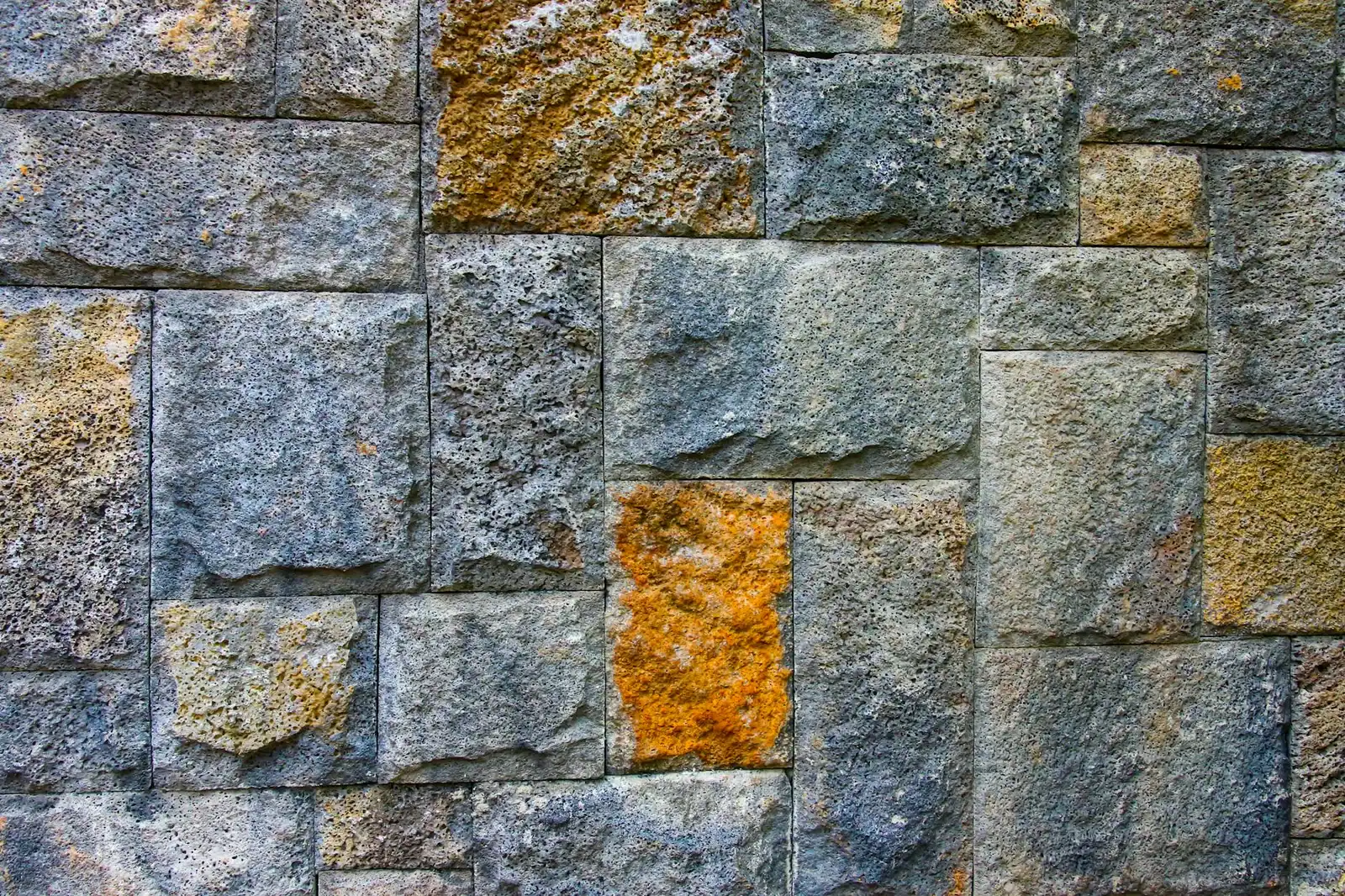
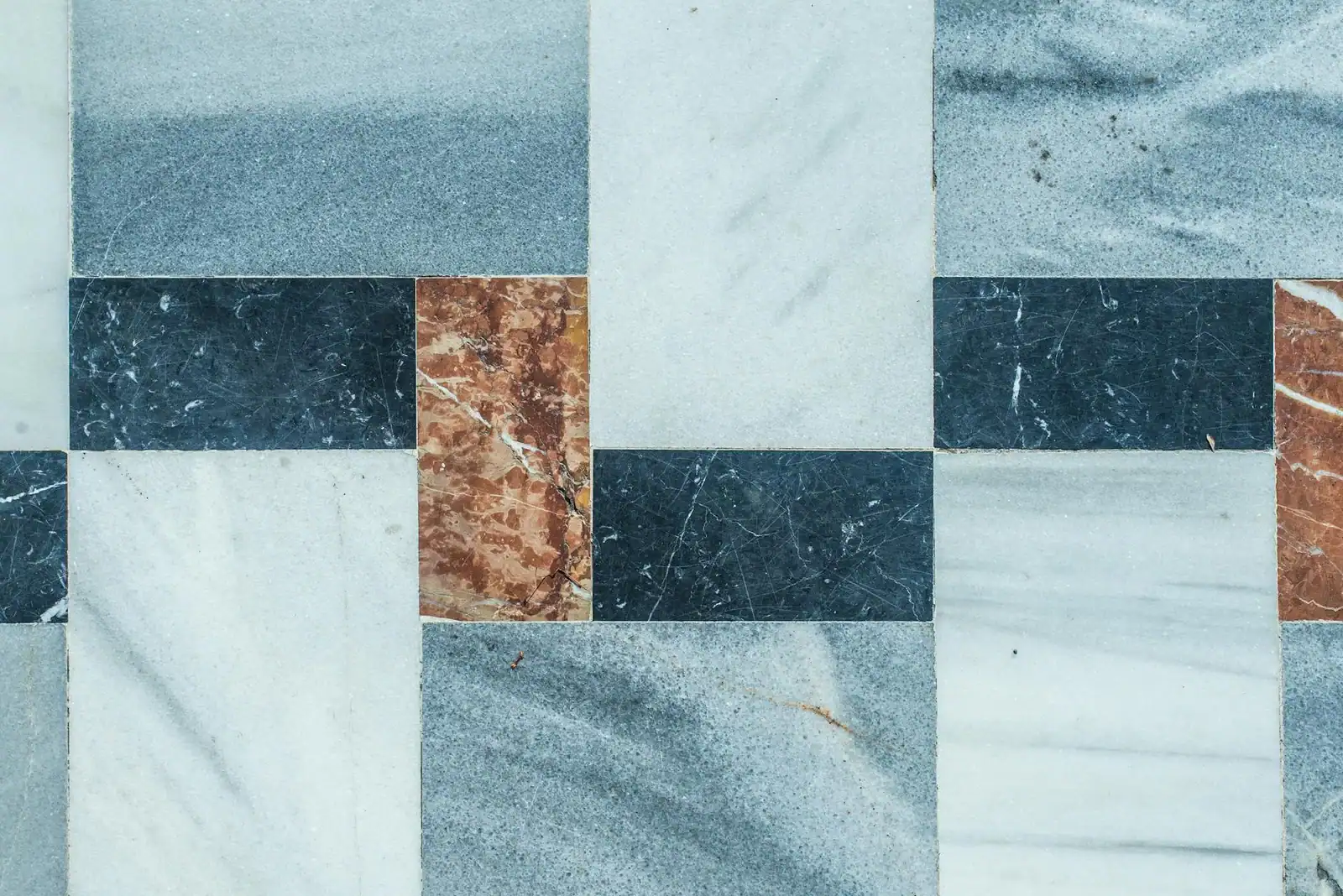
Close-up of an intricate stone pavement showcasing detailed texture and grey tones.

Your Marble Stays Protected, Not Stained

Marble Sealing Service New York City

Professional marble sealing service in New York City that stops spills from becoming permanent damage. We protect marble, granite, and natural stone against moisture, stains, and daily wear with commercial-grade sealers.

The NYC Marble Care Difference

Why Your Stone Needs Experts

01

Stone-Specific Sealer Selection

We match the right penetrating sealer to your specific stone type, porosity level, and how you actually use the space.

02

Professional-Grade Products Only

Commercial sealers that penetrate deep and last years, not big-box products that peel, layer, or wear off in months.

03

Proper Multi-Coat Application

We test after every coat to ensure full protection. One coat rarely cuts it for porous stone that needs real defense.

04

NYC Climate Knowledge

We understand how New York's humidity, hard water, and seasonal conditions affect your marble differently than other regions.

Close-up of a gray textured brick wall with seamless pattern.

Sealing Protects What Cleaning Can't Fix

Stone Sealing Service New York City

Marble and natural stone are porous. Without proper sealing, liquids don't just sit on the surface—they sink in. Coffee, wine, cooking oil, even water can penetrate deep into the stone, leaving stains that won't wipe away no matter how hard you scrub.

Professional stone sealing service in New York City creates an invisible barrier inside the stone that repels liquids before they can absorb. It's not about making your marble bulletproof. It's about giving you time to wipe up a spill before it becomes a permanent problem. That matters in NYC kitchens, bathrooms, and high-traffic areas where stone faces constant exposure to moisture, humidity, and everyday use.

Proper marble sealing means using the right sealer for your specific stone, applying it correctly with thorough prep and curing time, and ensuring the protection actually lasts. That's what separates professional work from products you grab off a shelf.

What Proper Sealing Actually Does

Marble Floor Sealing New York City

Sealed stone doesn't just look better—it performs better against the spills, moisture, and wear that happen in real life.

01Spilled wine or coffee beads up instead of soaking in, giving you time to wipe it away before staining occurs.
02Your marble resists moisture damage in NYC's humid bathrooms and kitchens where water exposure never stops.
03Daily cleaning becomes simpler because dirt and grime can't settle into unsealed pores the way they used to.
04Hard water from New York City taps has a harder time leaving those cloudy mineral deposits and white spots on sealed surfaces.
05Your stone's natural beauty stays intact—professional penetrating sealers protect without creating a plastic sheen or altering the color.
06You avoid the cost and hassle of fixing deep stains or water damage that unsealed stone invites over time.
Detailed view of a textured stone wall showcasing varying colors and rough surfaces.

Not All Sealers Work the Same Way

Natural Stone Sealer New York City

Walk into any hardware store and you'll find a dozen stone sealers on the shelf. The problem isn't finding a sealer—it's finding the right one for your specific stone and knowing how to apply it correctly.

Marble has different porosity than granite. A polished finish absorbs differently than a honed one. A bathroom floor faces different challenges than a kitchen countertop. The sealer that works beautifully on dense granite might not penetrate properly into porous limestone. Using the wrong product or applying it incorrectly can leave you with a hazy film, uneven protection, or a sealer that wears off in a few months instead of years.

Professional marble sealing service in New York City, NY means understanding these differences. We use penetrating sealers that soak deep into the stone's pores rather than sitting on top where they can peel or wear away. We prep the surface properly, apply multiple coats when the stone needs it, and allow proper curing time so the protection actually bonds. That's the difference between sealing that lasts and sealing that disappoints.
Close-up of a geometric marble tile pattern with natural texture colors.

Why NYC Stone Needs Extra Protection

Marble Tile Sealing New York City

New York City's environment isn't kind to unsealed stone. The humidity from coastal proximity affects marble differently than it would in drier climates. Hard water throughout the city leaves mineral deposits that build up over time. Winter brings salt tracked in from sidewalks. High-traffic living in compact spaces means your floors, counters, and showers take more daily wear than suburban homes.

Your marble didn't just cost money—it's part of what makes your space feel finished and elevated. Watching it develop water spots, dull patches, or stains from everyday use feels like watching your investment deteriorate. Natural stone sealing addresses these specific local challenges with sealers formulated to handle moisture, proper application that ensures full coverage, and the expertise to match protection level to how you actually live.

We're not sealing stone in a showroom. We're protecting surfaces that face real cooking, real humidity, real spills, and real life in New York City, NY.

How We Seal Your Stone Right

Protective Stone Sealing New York City

Surface Evaluation and Prep

We assess your stone type, finish, and condition, then deep clean to remove any dirt, oils, or residues that would interfere with sealer absorption.

Professional Sealer Application

We apply the appropriate penetrating sealer, allow proper dwell time for absorption, then remove excess product before it can dry and create haze.

Testing and Additional Coats

We test protection levels after each coat. If your stone needs a second or third application for full coverage, we apply it properly.

FAQ

Frequently Asked Questions

How often does marble need to be resealed in New York City, NY?
It depends on where the stone is and how much use it gets. High-traffic areas like kitchen countertops or bathroom vanities typically need resealing every 6 to 12 months. Floors in entryways or heavily used spaces fall into that same range. Less-used surfaces like decorative walls or low-traffic areas might go 1 to 3 years between sealing. The best way to know is the water test—put a few drops of water on your marble and watch what happens. If the water beads up and sits there, your sealer is still working. If the area underneath starts darkening within a few minutes, the stone is absorbing moisture and needs resealing. NYC's humidity and hard water tend to break down sealers faster than drier climates, so local conditions matter. If you're searching for marble sealing near you to maintain your stone, that frequency guide gives you a realistic timeline based on actual use.
What's the difference between sealing marble yourself and hiring a professional?
The main differences come down to product quality, proper application, and knowing which sealer your specific stone actually needs. Consumer-grade sealers from hardware stores often sit on the surface rather than penetrating deeply, which means they can peel, wear unevenly, or create a hazy film. Professional stone sealing service uses commercial-grade penetrating sealers formulated to soak into the pores and create protection from within the stone. We also know how to prep the surface correctly—if there's any moisture, dirt, or residue left on the stone, the sealer won't bond properly. Many stones need multiple coats for full protection, and we test after each application to ensure coverage. DIY sealing can work for maintenance touch-ups if you know what you're doing, but for initial sealing or high-value stone, professional application ensures the protection actually lasts years instead of months.
Will sealing my marble prevent it from getting etched or stained?
Sealing helps prevent stains but doesn't stop etching. Here's why that matters: staining happens when liquids absorb into the pores of unsealed stone and leave behind discoloration. Professional marble sealing fills those pores with a protective barrier, so spills bead up on the surface instead of soaking in. That gives you time to wipe them away before they stain. Etching is different—it's a chemical reaction that happens when acidic substances like lemon juice, vinegar, or wine react with the calcium carbonate in marble. That reaction eats into the surface and creates dull spots or rings. No sealer can prevent that chemical reaction because it's not about absorption, it's chemistry. What sealing does is buy you time to wipe up acidic spills before they sit long enough to etch. So sealing is excellent protection against stains and makes your marble more forgiving, but it's not a shield against all damage. It's realistic protection for how you actually live.
What types of stone surfaces should be sealed in NYC homes?
Most natural stone benefits from sealing, but how urgently it needs it depends on the stone type and where it's installed. Marble, limestone, and travertine are all porous and should definitely be sealed, especially in kitchens and bathrooms where they face moisture and spills. Granite is denser and less porous, but honed or flamed finishes still benefit from sealing. Slate used in showers or entryways should be sealed to resist water and prevent staining. Polished stone is generally less porous than honed or matte finishes, but it still needs protection in high-use areas. The surfaces that need marble tile sealing most urgently are anywhere you have water exposure—shower walls and floors, bathroom vanities, kitchen countertops, and floors near sinks. Entryways where you track in moisture and salt during New York winters also benefit from protective stone sealing. If your stone is in a decorative area with minimal contact, it might not need sealing as frequently, but it's still good protection against gradual wear.
How long does the sealing process take and when can I use the surface again?
The actual application doesn't take long—usually a few hours depending on the size of the area and how many coats your stone needs. But the full process requires drying and curing time that you need to plan for. Before we seal, the stone has to be completely dry. If there's any moisture in the stone, the sealer won't penetrate or bond correctly. After we apply the natural stone sealer, it needs dwell time to soak in—typically 5 to 15 minutes depending on the product. Then we remove the excess and let it cure. Most sealers need 24 to 72 hours to fully cure and bond with the stone. During that time, you should avoid getting the surface wet or placing anything on it. For countertops, that means planning meals around the sealing. For showers, it means using a different bathroom for a day or two. We'll give you specific timing based on the sealer we use and your stone type, but building in that curing time is what ensures the protection actually lasts.
Can you seal stone that already has stains or damage?
We can seal it, but sealing won't remove existing stains or fix damage—it only prevents future problems. If your marble already has stains, etching, dullness, or scratches, those issues need to be addressed first through restoration work like stain removal, honing, or polishing. Once the stone is restored to the condition you want, then we seal it to protect against future damage. Sealing over existing stains essentially locks them in, and sealing over etched or rough areas won't smooth them out. The good news is that most stains and surface damage can be professionally removed or significantly reduced before sealing. If your stone is in rough shape, we'll assess what restoration it needs first, bring it back to looking clean and even, and then apply the marble floor sealing so you're protecting a surface you're actually happy with. That's the right sequence—restore first, then protect.
Ready When You Are

Restore the Beauty of Your Stone

Schedule a no-obligation on-site assessment with our specialists. We'll inspect, advise, and provide a detailed estimate — no pressure, just expert guidance.

Get Your Free Estimate